
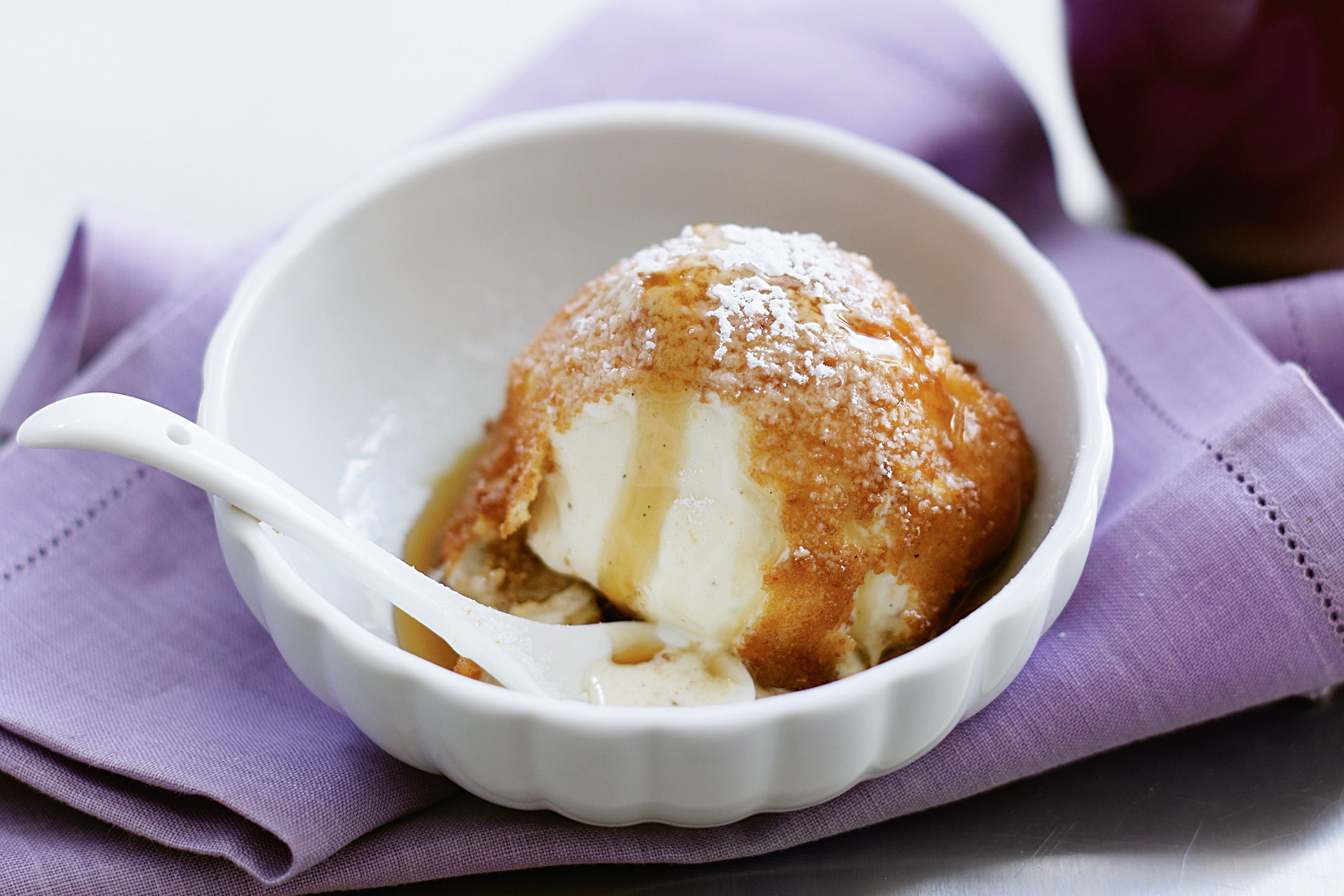
Fried ice cream is one of the most fascinating desserts in the world. The idea of hot, crispy coating wrapped around cold, creamy ice cream feels almost impossible, yet it has become a beloved treat in many cuisines. Popular in Mexican, Asian, and American fusion restaurants, fried ice cream combines texture, temperature, and flavor in a way few desserts can match.
This guide walks you through everything you need to know about how to make fried ice cream at home or in a professional kitchen. From understanding the science behind it to mastering preparation techniques, coatings, frying methods, and serving ideas, this article provides a rich, detailed explanation designed to help you achieve consistent, impressive results.
What Is Fried Ice Cream?
Fried ice cream is a dessert made by coating a frozen scoop of ice cream in a protective layer, then quickly frying it in hot oil. The outer coating becomes golden and crispy while the inside remains frozen due to the short frying time and insulating crust.
The result is a dramatic contrast:
- Hot and crunchy on the outside
- Cold and creamy on the inside
The Science Behind Fried Ice Cream
Understanding how fried ice cream works helps ensure success.
Why the Ice Cream Does Not Melt
The key factors that keep ice cream frozen during frying include:
- Extremely low starting temperature
- Thick, well-sealed coating
- Very hot oil
- Short frying time
Importance of Speed and Temperature
Fried ice cream relies on temperature extremes. The oil must be hot enough to cook the coating instantly, while the ice cream must be frozen solid to resist melting. Any imbalance can cause failure.
Choosing the Right Ice Cream
Not all ice cream performs equally when fried.
Best Ice Cream Types for Frying
Dense, premium ice creams work best because they melt more slowly. Ideal options include:
- Vanilla ice cream
- Chocolate ice cream
- Cinnamon or dulce de leche ice cream
- Green tea ice cream
Shaping the Ice Cream Scoops
Use a large ice cream scoop to form uniform balls. Smooth, tightly packed scoops freeze more evenly and coat better.
After scooping:
- Place scoops on a parchment-lined tray
- Freeze until completely solid, ideally overnight
Essential Ingredients for Fried Ice Cream
While recipes vary, most fried ice cream uses a few core components.
Ice Cream
This is the center of the dessert and should be deeply frozen before use.
Coating Ingredients
Popular coatings include:
- Cornflakes
- Crushed cookies
- Graham cracker crumbs
- Panko breadcrumbs
- Cinnamon sugar mixtures
Binding Ingredients
Binders help the coating stick to the ice cream:
- Eggs
- Flour
- Milk or cream
Frying Oil
Neutral oils with high smoke points work best, such as:
- Vegetable oil
- Canola oil
- Peanut oil
Preparing the Coating
Crushing the Coating Material
Crush cornflakes or cookies into fine crumbs. Large chunks create gaps that allow heat to penetrate.
Crushing methods include:
- Rolling pin and plastic bag
- Food processor
- Mortar and pestle
Seasoning the Coating
Enhance flavor by mixing in:
- Cinnamon
- Sugar
- Nutmeg
- Cocoa powder
Coating the Ice Cream Properly
This step determines whether your fried ice cream succeeds or fails.
First Coating Layer
Roll the frozen ice cream scoop in crumbs, pressing gently to cover all sides. Work quickly to prevent melting.
Freezing Between Coats
After the first coating:
- Place the ice cream back in the freezer
- Freeze for at least 1 hour
Second and Optional Third Coating
Repeat the coating process once or twice more for added insulation. Each layer improves protection and crunch.
Freeze thoroughly after each layer.
Batter-Based Fried Ice Cream Method
Some versions use a batter for additional insulation.
Simple Batter Ingredients
A basic batter may include:
- Flour
- Egg
- Milk
- Sugar
Applying the Batter
Dip the crumb-coated ice cream quickly into batter, then immediately return it to the freezer. This method requires careful handling but creates an extra protective shell.
Freezing Before Frying
Freezing is the most important step in the entire process.
How Long to Freeze
For best results:
- Freeze coated ice cream for at least 4 to 6 hours
- Overnight freezing is ideal
Storage Tips
Store coated ice cream in airtight containers to prevent freezer burn and odor absorption.
Frying the Ice Cream
Heating the Oil
Heat oil to approximately 375°F (190°C). Use a thermometer to maintain accuracy.
Oil that is too cool will soak into the coating, while oil that is too hot may burn it.
Frying Technique
Lower the ice cream into the oil gently using a slotted spoon.
Fry for:
- 10 to 15 seconds only
Removing and Draining
Remove the ice cream promptly and place it on a paper towel-lined plate to drain excess oil.
Serve immediately for best texture contrast.
Alternative No-Fry Methods
For those who prefer not to deep fry, there are alternatives that mimic fried ice cream.
Oven-Baked Method
Coat ice cream normally, then bake crumb coating separately until golden. Wrap the baked coating around frozen ice cream before serving.
Pan-Seared Coating Method
Toast crumbs in butter or oil in a pan, then press onto frozen ice cream. This creates crunch without immersion frying.
These methods are safer and easier but lack the dramatic effect of deep frying.
Popular Fried Ice Cream Variations
Mexican-Style Fried Ice Cream
Often served with:
- Cinnamon-sugar coating
- Honey or chocolate drizzle
- Whipped cream
- Maraschino cherries
Asian-Inspired Fried Ice Cream
Common flavors include:
- Green tea
- Red bean
- Coconut
Chocolate Lover’s Fried Ice Cream
Chocolate ice cream coated in cookie crumbs, topped with fudge sauce and chocolate shavings.
Vegan Fried Ice Cream
Use dairy-free ice cream and egg-free coatings such as plant-based milk and flour binders.
Toppings and Serving Ideas
Toppings elevate fried ice cream from simple dessert to showpiece.
Popular options include:
- Chocolate sauce
- Caramel sauce
- Honey
- Fresh fruit
- Whipped cream
- Nuts
- Powdered sugar
Common Mistakes to Avoid
Not Freezing Long Enough
Insufficient freezing causes melting and coating failure.
Thin or Uneven Coating
Gaps in the coating allow oil to reach the ice cream.
Frying Too Long
Even a few extra seconds can melt the center.
Oil Temperature Errors
Always monitor oil temperature to avoid soggy or burnt results.
Food Safety Tips
While fried ice cream is indulgent, safety matters.
- Use clean oil
- Avoid overcrowding the fryer
- Handle hot oil carefully
- Discard melted or damaged ice cream
Making Fried Ice Cream for Events and Restaurants
Fried ice cream is ideal for events because it can be prepared ahead of time.
Batch Preparation
Prepare and freeze coated ice cream in advance, then fry to order.
Storage and Transport
Transport frozen ice cream in insulated containers with dry ice or freezer packs to maintain temperature.
Why Fried Ice Cream Is Worth the Effort
Despite the preparation required, fried ice cream delivers a unique sensory experience. The contrast of temperatures, textures, and flavors creates a memorable dessert that impresses guests and customers alike.
It is both playful and technical, combining culinary science with indulgence.
Conclusion
Learning how to make fried ice cream is about mastering preparation, temperature control, and timing. When done correctly, it transforms a simple scoop of ice cream into a dramatic, restaurant-quality dessert. From choosing the right ice cream and coatings to freezing thoroughly and frying quickly, every step plays a crucial role in success.
Whether you are making fried ice cream at home for a special occasion or serving it in a professional kitchen, patience and precision are rewarded with a dessert that never fails to amaze. With practice, creativity, and attention to detail, fried ice cream can become a standout dish that delights both the eyes and the palate.