
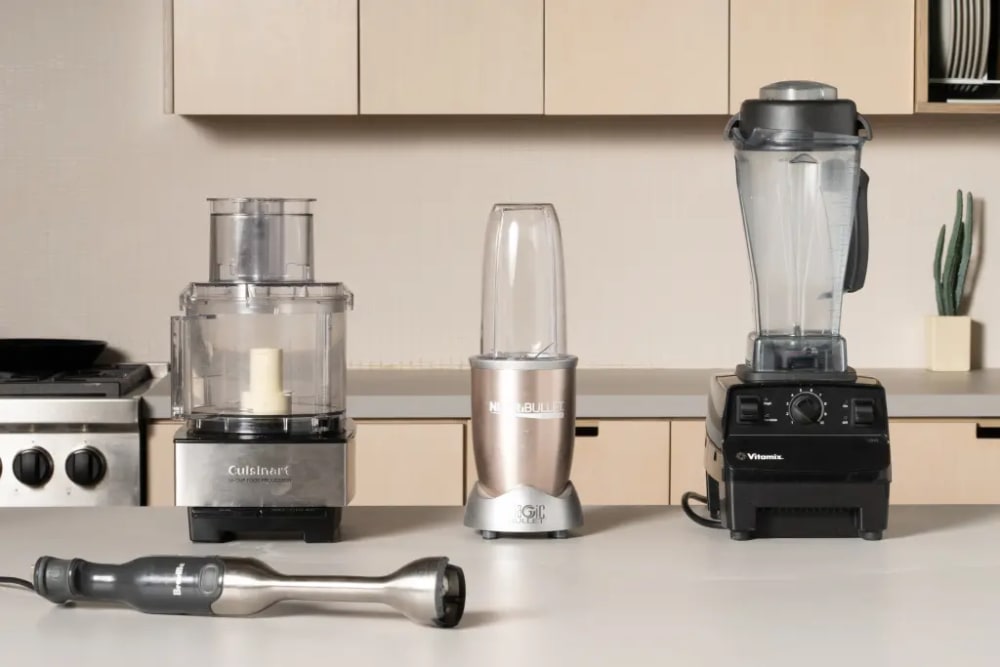
Kitchen appliances are designed to make food preparation faster, easier, and more consistent. Among the most common appliances found in modern kitchens are blenders and food processors. While they may appear similar at first glance, they serve different purposes and are designed for specific types of tasks. However, many people wonder whether one appliance can replace the other.
A common question that arises is: Can you use a blender as a food processor?
The short answer is yes, in many cases you can, but with some limitations. A blender can handle several tasks typically performed by a food processor, though it may not always deliver the same efficiency or texture. Understanding how these appliances work, their differences, and the best ways to use them will help you get the most out of your kitchen tools.
This comprehensive guide explores whether a blender can function as a food processor, when it works well, when it does not, and practical tips to achieve the best results.
Understanding the Purpose of a Blender
A blender is primarily designed to combine liquids and soft ingredients into smooth mixtures. Its tall jar and fast-spinning blades create a vortex that pulls ingredients downward, making it ideal for blending and pureeing.
Common Tasks for a Blender
Blenders are typically used for:
- Smoothies
- Milkshakes
- Soups and purees
- Sauces
- Protein shakes
- Frozen drinks
- Nut milks
The design of a blender emphasizes liquid movement and smooth consistency. Because of this, it performs exceptionally well when ingredients contain enough liquid to circulate easily.
Blenders usually operate at high speeds, which allows them to pulverize ingredients quickly. However, this high-speed operation also means they are not always ideal for precise chopping or slicing tasks.
Understanding the Purpose of a Food Processor
A food processor, on the other hand, is designed to handle solid foods and perform multiple preparation tasks.
Food processors typically include a wide bowl and interchangeable blades or discs that allow them to chop, slice, shred, mix, and even knead dough.
Common Tasks for a Food Processor
Food processors are commonly used for:
- Chopping vegetables
- Shredding cheese
- Slicing fruits and vegetables
- Mixing dough
- Making dips and spreads
- Grinding nuts
- Making breadcrumbs
Unlike blenders, food processors do not require much liquid. Their blades rotate in a way that chops ingredients rather than pulling them into a vortex.
This makes food processors more versatile for food preparation tasks that involve solid ingredients.
Key Differences Between a Blender and a Food Processor
Before deciding whether a blender can replace a food processor, it is helpful to understand their main differences.
1. Shape of the Container
Blenders usually have a tall and narrow jar, which helps create a vortex that pulls ingredients toward the blades.
Food processors have a wide and shallow bowl, which allows ingredients to move around freely for even chopping and mixing.
2. Blade Function
Blender blades are designed to pulverize and liquefy ingredients.
Food processor blades are designed to cut and chop ingredients evenly.
3. Required Liquid
Blenders generally need liquid to operate properly.
Food processors can process dry ingredients with little or no liquid.
4. Attachments and Versatility
Food processors usually come with multiple attachments, such as:
- Slicing discs
- Shredding discs
- Dough blades
Blenders typically have fewer attachments and focus mainly on blending tasks.
When You Can Use a Blender Instead of a Food Processor
Even though blenders and food processors are different, a blender can still handle several food processor tasks under the right conditions.
Making Sauces and Dips
Blenders work well for preparing smooth dips and sauces such as:
- Hummus
- Salsa
- Salad dressings
- Marinades
Adding a small amount of liquid can help ingredients blend more smoothly.
Pureeing Ingredients
If your recipe requires a smooth puree, a blender may actually perform better than a food processor.
Examples include:
- Tomato sauces
- Vegetable purees
- Baby food
- Fruit sauces
Grinding Soft Ingredients
Blenders can grind certain soft ingredients such as:
- Cooked vegetables
- Soft fruits
- Cooked beans
- Some nuts
Using the pulse function helps prevent over-blending.
Making Breadcrumbs
You can easily make breadcrumbs by placing pieces of bread in the blender and pulsing them until they reach the desired texture.
Mixing Batter
Blenders can sometimes mix simple batters for:
- Pancakes
- Waffles
- Crepes
However, this works best for thin batters rather than thick dough.
Tasks That Are Difficult for a Blender
While a blender can perform some food processor tasks, there are certain jobs where it struggles.
Chopping Vegetables
Blenders often chop unevenly because ingredients tend to move away from the blades rather than circulate evenly.
You may end up with:
- Some pieces finely chopped
- Others still large
Food processors are far better for consistent chopping.
Shredding Cheese
Food processors have shredding discs that create uniform strands of cheese.
Blenders lack this attachment, making shredding cheese difficult and messy.
Slicing Vegetables
Tasks like slicing cucumbers, potatoes, or carrots are best done with a food processor’s slicing disc.
A blender cannot replicate this function.
Kneading Dough
Food processors can mix and knead dough efficiently thanks to specialized dough blades.
Blenders generally struggle with thick dough and may overwork the motor.
Processing Large Quantities
Food processors can handle large amounts of ingredients more easily.
Blenders often require working in small batches, especially when dealing with solid foods.
Tips for Using a Blender Like a Food Processor
If you only have a blender available, you can still achieve good results with a few adjustments.
Use the Pulse Function
Instead of running the blender continuously, use the pulse button.
This gives you more control and helps avoid turning ingredients into mush.
Work in Small Batches
Processing smaller amounts of food helps the blades reach ingredients more effectively.
Overloading the blender can prevent proper chopping.
Add a Little Liquid
If ingredients are not moving, add a small amount of liquid such as:
- Water
- Oil
- Broth
This helps create movement inside the blender.
Cut Ingredients into Smaller Pieces
Before placing ingredients into the blender, chop them roughly with a knife.
Smaller pieces are easier for the blender to process.
Shake or Stir the Contents
Sometimes ingredients get stuck above the blades. Turning off the blender and gently shaking the jar or stirring the contents can help redistribute them.
When a Food Processor Is the Better Choice
Even though a blender can sometimes substitute for a food processor, there are situations where a food processor is clearly the better option.
A food processor is ideal for:
- Meal prepping large quantities of vegetables
- Preparing pie crust or bread dough
- Grating vegetables
- Shredding cheese
- Slicing vegetables evenly
If your cooking frequently involves these tasks, a food processor will save significant time and effort.
Can High-Power Blenders Replace Food Processors?
Some high-powered blenders are marketed as multi-purpose kitchen appliances that can perform food processor tasks.
These blenders often feature:
- Stronger motors
- Wider containers
- Special attachments
They can chop vegetables, grind nuts, and even make dough in certain situations.
However, even powerful blenders rarely offer the full range of attachments found in food processors.
Therefore, they can replace a food processor for some people, but not for everyone.
Advantages of Using a Blender Instead of a Food Processor
Using a blender as a substitute can offer a few benefits.
Saves Kitchen Space
If your kitchen is small, owning one appliance instead of two can free up valuable counter and cabinet space.
Cost Savings
Blenders are often more affordable than food processors. Using one appliance for multiple tasks may reduce your kitchen expenses.
Easier Cleanup
Blenders usually have fewer parts, which can make cleaning faster and simpler.
Many blender jars are also dishwasher-safe.
Limitations to Consider
While a blender can be versatile, it does have limitations when replacing a food processor.
Texture Control
Food processors allow better control over texture. Blenders tend to produce smoother results.
Blade Design
Blender blades are not designed for precise slicing or shredding.
Overprocessing
Because blenders operate at high speeds, ingredients can easily become overprocessed.
Motor Strain
Processing thick mixtures or large amounts of solid food may strain the blender motor over time.
Choosing the Right Appliance for Your Needs
If you are deciding between buying a blender or a food processor, consider how you cook most often.
Choose a blender if you frequently make:
- Smoothies
- Soups
- Sauces
- Purees
- Drinks
Choose a food processor if you frequently prepare:
- Chopped vegetables
- Dough
- Shredded cheese
- Sliced ingredients
- Meal prep recipes
Many home cooks eventually find that having both appliances provides the most flexibility.
Creative Ways to Use a Blender for Food Prep
Even without a food processor, you can still use a blender creatively for many kitchen tasks.
Homemade Nut Butter
With patience and proper blending intervals, many blenders can produce peanut butter or almond butter.
Energy Balls
Ingredients such as oats, dates, and nuts can be pulsed together to create energy bites.
Frozen Desserts
Blenders are excellent for making frozen treats using fruits and yogurt.
Pancake Mix
Dry ingredients can be blended together to create a homemade pancake mix.
Vegetable Sauces
Blended vegetable sauces are an easy way to add nutrition to pasta dishes.
Safety Tips When Using a Blender for Food Processing
When using a blender for tasks beyond basic blending, safety is important.
Follow these precautions:
- Never overload the jar
- Avoid blending extremely hard ingredients unless the blender is designed for it
- Always secure the lid tightly
- Turn off the blender before inserting utensils
- Allow the motor to rest between long blending sessions
These simple steps can help extend the life of your blender.
Final Thoughts
So, can you use a blender as a food processor? The answer is yes—but with some limitations.
A blender can successfully handle several tasks typically performed by a food processor, including pureeing ingredients, making sauces, mixing batters, and even chopping some foods when used carefully. With techniques like pulsing, cutting ingredients into smaller pieces, and working in batches, a blender can become a versatile tool for many kitchen preparations.
However, blenders are not perfect substitutes. Tasks such as shredding cheese, slicing vegetables, kneading dough, and chopping large quantities of ingredients are far easier and more efficient with a food processor.
Ultimately, the choice depends on your cooking habits. If you mostly prepare smoothies, soups, and sauces, a blender may be all you need. But if you frequently chop, shred, slice, or knead, a food processor will likely become an invaluable kitchen companion.
For many home cooks, the best solution is understanding the strengths of each appliance and using them accordingly. With the right approach, even a single blender can handle a surprising range of food preparation tasks and help you create delicious meals with ease.