
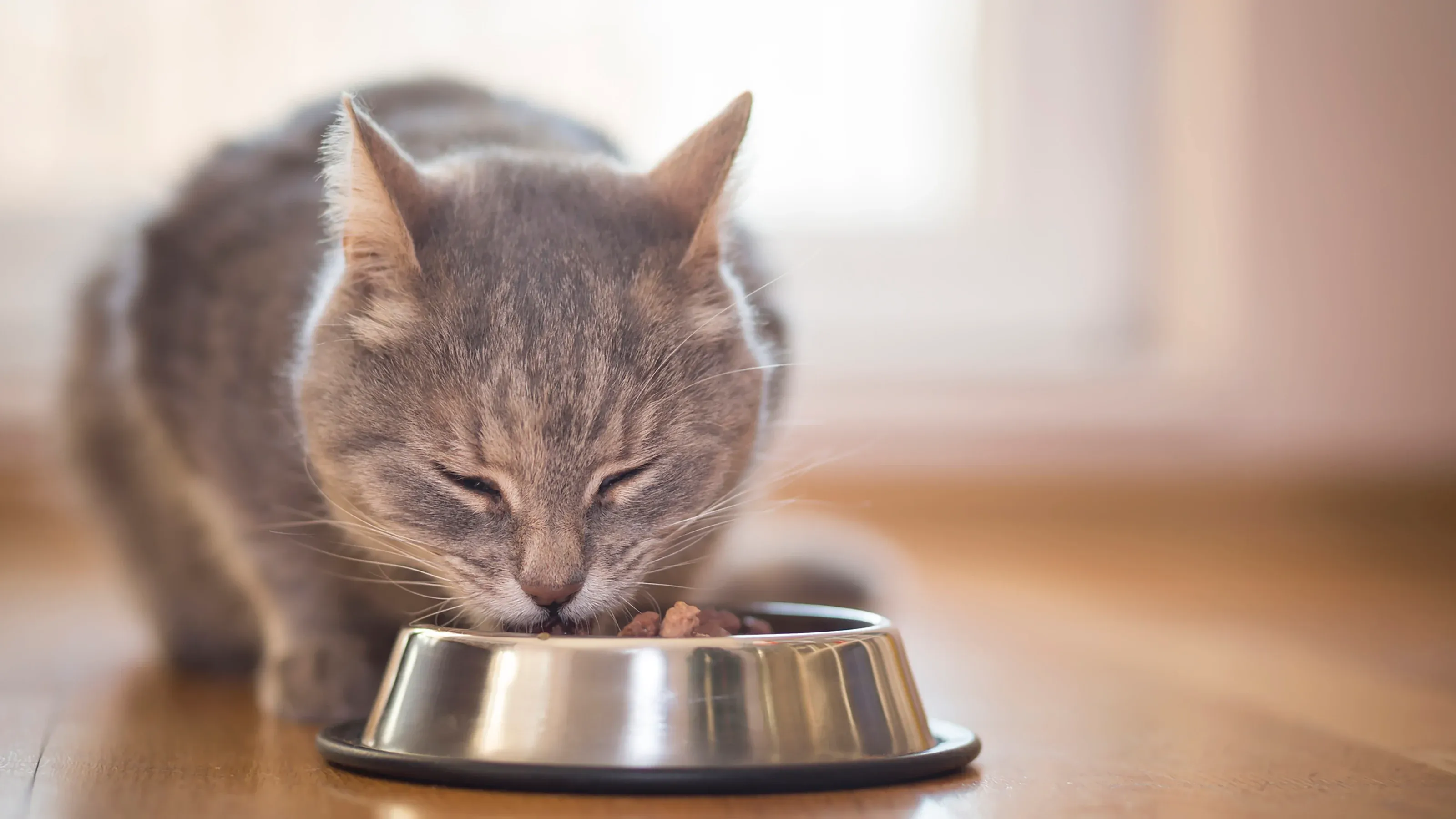
Feeding your cat the right amount of food is one of the most important decisions you make as a pet owner. Proper feeding supports your cat’s energy levels, body weight, immunity, digestion, coat quality, and overall long-term health. However, knowing how much food to feed a cat can be confusing because the answer depends on multiple factors such as age, weight, activity level, health status, and the type of food you use.
This in-depth guide breaks down how much to feed your cat, how to read pet food labels, how to adjust portions based on your cat’s needs, and common feeding mistakes to avoid. By the end, you’ll have all the information you need to create a healthy, sustainable feeding routine that works for your feline companion.
Why the Right Amount of Food Matters
Feeding your cat the correct amount is essential because both overfeeding and underfeeding can lead to health complications.
The Risks of Overfeeding
A significant number of indoor cats are overweight or obese. Overfeeding can lead to:
- Excess body fat
- Diabetes
- Joint stress and arthritis
- Heart strain
- Difficulty grooming
- Shortened lifespan
The Risks of Underfeeding
On the other hand, underfeeding can cause:
- Nutrient deficiencies
- Weight loss
- Lethargy
- Reduced immunity
- Poor skin and coat health
- Organ stress
How Much Should I Feed My Cat? General Guidelines
The first step in determining how much to feed your cat is understanding that there is no single universal amount. However, general guidelines can help you get started.
Typical Daily Calorie Requirements for Cats
On average, a healthy adult cat needs:
- 20 calories per pound of body weight per day (as a baseline)
This is only a starting point. Many factors change a cat’s calorie needs.
Daily Calories Based on Life Stage
Different life stages require different feeding amounts.
Kittens (Under 1 Year Old)
Kittens need two to three times the calories of an adult cat because they are growing rapidly.
- 60–70 calories per pound of body weight
- 3–4 meals per day
Adult Cats (1–7 Years)
Most adult cats need:
- 20–30 calories per pound
- 2 meals per day
Senior Cats (7+ Years)
Senior cats often have slower metabolisms and reduced activity. However, some seniors actually need more calories, depending on muscle condition and underlying health.
Most seniors need:
- 20–25 calories per pound
- Easily digestible food
- More moisture (wet food is recommended)
Wet Food vs. Dry Food: How It Affects Portion Size
Your cat’s food type significantly impacts how much you should feed.
How Much Dry Food to Feed a Cat
Dry food (kibble) is calorie-dense and concentrated.
Typical dry food contains:
- 300–400 calories per cup
- 60–100 calories per ¼ cup
How Much Wet Food to Feed a Cat
Wet food has fewer calories per ounce because it contains moisture.
Typical wet food contains:
- 70–120 calories per 3-ounce can
- 140–200 calories per 5.5-ounce can
- One 5.5-ounce can per day, OR
- Two 3-ounce cans per day
Combination Feeding (Wet + Dry)
Many cat owners use a mix of both wet and dry food to maintain hydration, palatability, and convenience.
A common combination:
- 1 small can of wet food
- 1/8 to 1/4 cup dry food
How to Read a Cat Food Label for Feeding Amounts
Most cat food bags and cans include feeding guidelines, but many owners misunderstand them.
Here’s what you should look for:
Check the Calorie Content
Labels should list:
- Calories per cup (dry food)
- Calories per can or ounce (wet food)
Use the Label as a Starting Point—Not a Final Rule
Feeding guidelines are estimates based on ideal weight and average activity. If your cat is less active than average, feeding label amounts may cause weight gain.
Adjust Based on Your Cat’s Body Condition
If your cat is:
- Overweight: feed 10–20% less
- Underweight: feed 10–20% more
- Perfect weight: maintain the current amount
How Often Should I Feed My Cat?
Feeding frequency matters almost as much as portion size.
Two Meals per Day (Most Common)
Most adult cats do best with:
- Morning meal
- Evening meal
Free Feeding (Not Recommended for Many Cats)
Leaving food out all day can work for some cats, but for others it leads to overeating and obesity. This is especially problematic with dry food due to its calorie density.
Free feeding is not recommended for overweight cats or multi-cat households.
Three or More Meals (Helpful for Certain Cats)
More frequent meals help:
- Kittens
- Elderly cats
- Cats with sensitive stomachs
- Cats with diabetes
- Cats who vomit from hunger
How Your Cat’s Weight Affects How Much You Should Feed
Your cat’s ideal weight guides how much food you should provide.
For Underweight Cats
If your cat is underweight:
- Increase calories gradually
- Offer calorie-dense wet food
- Feed smaller, more frequent meals
- Check for health issues (hyperthyroidism, parasites)
For Overweight Cats
If your cat is overweight:
- Reduce daily calories by 10–20%
- Increase meal frequency
- Add more wet food (lower calorie density)
- Avoid treats or keep them under 10% of daily calories
- Increase activity with play sessions
For Ideal-Weight Cats
Maintain weight by:
- Sticking to consistent meal portions
- Monitoring appetite and energy
- Weighing your cat weekly or monthly
Special Factors That Change How Much a Cat Should Eat
Activity Level
Active cats need more calories than sedentary indoor cats.
Energetic breeds like Bengals or Abyssinians may require additional food.
Indoor vs. Outdoor Lifestyle
Outdoor cats burn more energy through:
- Exploration
- Climbing
- Hunting
Health Conditions
Certain health issues dramatically affect feeding amounts.
Cats with:
- Diabetes: need consistent meals
- Kidney disease: benefit from lower-protein, higher-moisture diets
- Thyroid disease: may need more calories
- Digestive disorders: require specific diets
Spayed and Neutered Cats
Fixed cats have lower energy needs and often require:
- 20–30% fewer calories
Tools to Help You Feed the Right Amount
Measuring Cups
Always use a real measuring cup—not an estimate. Eye-balling kibble leads to overfeeding.
Kitchen Scale
Weighing wet food (in grams) ensures precise feeding.
Automatic Feeders
Great for:
- Creating controlled portioning
- Feeding multiple small meals
- Helping cats with strict diets
Food Diaries or Apps
Tracking meals can prevent accidental double-feeding.
Sample Feeding Guidelines Based on Weight
These general examples assume:
- An average indoor adult cat
- No health issues
- Regular exercise
- Standard-calorie wet and dry foods
For a 5-pound Cat
- 100–150 calories per day
- About 1/3–1/2 can of wet food + small amount of kibble
For a 10-pound Cat
- 200 calories per day
- 1 full 5.5-ounce can of wet food
- Or 1/4 to 1/3 cup dry food
For a 15-pound Cat (needs weight check)
Cats at 15 pounds are often overweight unless they are large breeds like Maine Coons.
- 220–250 calories per day
- More wet food, less kibble recommended
Common Feeding Mistakes Cat Owners Make
Free Feeding Too Much Dry Food
This is the #1 cause of indoor-cat obesity.
Ignoring Treat Calories
Treats should be less than 10% of daily intake.
Feeding Human Food
Some human foods are toxic, and others can cause digestive issues.
Not Adjusting Portions as Cats Age
Older or less active cats need fewer calories.
Using Cups Instead of Grams for Wet Food
Wet food is more accurate when weighed.
How to Tell If You’re Feeding the Right Amount
Watch for signs in your cat:
Signs Your Cat Is Eating Too Much
- Rapid weight gain
- Big belly
- Difficulty grooming
- Laziness or reluctance to play
- Loud begging even after meals
Signs Your Cat Is Not Eating Enough
- Visible ribs
- Weight loss
- Low energy
- Dull coat
- Excessive vocalization due to hunger
Balanced Eating Signs
- Stable weight
- Shiny coat
- Regular digestion
- Normal energy levels
When to Consult a Veterinarian About Feeding
See your vet if your cat:
- Has sudden appetite changes
- Gains or loses weight quickly
- Vomits frequently
- Has chronic diarrhea
- Seems constantly hungry or constantly tired
- Has underlying medical conditions
Final Thoughts: How Much Food Should You Feed Your Cat?
Feeding your cat correctly is not just about following a label—it’s about understanding the unique needs of your feline companion.
To summarize:
- Most adult cats need 20–30 calories per pound.
- Wet food generally requires 1–2 cans per day, depending on brand.
- Dry food portions are small—usually ¼ cup or less.
- Kittens and active cats need more food.
- Seniors and indoor cats often need fewer calories.
- Always adjust feeding based on body condition and behavior.
If you’d like, I can also create a version of this article optimized for SEO keywords, add a meta description, or generate a featured blog image.