
Raising a litter of puppies is an exciting experience, but it also comes with many responsibilities. One of the most common questions new pet owners and breeders ask is when puppies start eating food and how the transition from milk to solid meals happens. Understanding this developmental stage is essential for ensuring puppies grow strong, healthy, and properly nourished.
Puppies rely entirely on their mother’s milk during the earliest days of life. However, as they grow and their bodies develop, they gradually begin transitioning to soft and eventually solid foods. This process, known as weaning, is a critical milestone in a puppy’s development.
In this comprehensive guide, we will explore exactly when puppies start eating food, what to feed them during each stage, how to safely introduce solid foods, and common mistakes to avoid during the weaning process.
Understanding a Puppy’s Early Nutritional Needs
During the first few weeks of life, puppies depend completely on their mother’s milk for nutrition. Mother’s milk contains the perfect balance of protein, fat, antibodies, and essential nutrients needed for healthy growth and immune system development.
Newborn puppies cannot digest solid foods yet because their digestive systems are still immature. Their teeth have not erupted, and they lack the ability to chew or process complex nutrients.
During this stage, their primary activities include:
- Sleeping
- Nursing
- Growing rapidly
Puppies typically nurse every two to three hours, and this frequent feeding supports their rapid development.
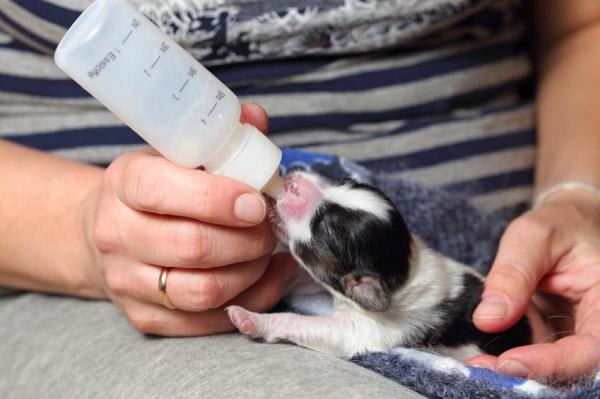
If a mother dog is unavailable, puppies may need specialized puppy milk replacer. However, regular cow’s milk is not recommended because it can cause digestive upset.
When Do Puppies Start Eating Food?
Puppies typically start eating food at around 3 to 4 weeks of age. At this stage, they begin to show interest in food and are physically capable of starting the weaning process.
This does not mean they stop drinking milk immediately. Instead, puppies gradually transition from milk to solid foods over the next several weeks.
The general timeline looks like this:
| Puppy Age | Feeding Stage |
|---|---|
| 0–3 weeks | Mother’s milk only |
| 3–4 weeks | Introduction to soft food |
| 5–6 weeks | Increased solid food intake |
| 7–8 weeks | Mostly solid food |
| 8+ weeks | Fully weaned |
By the time puppies reach 8 weeks old, they are usually fully weaned and able to eat regular puppy food.
Signs Puppies Are Ready to Start Eating Food
Every puppy develops at a slightly different pace, but there are several clear signs that indicate puppies are ready to begin eating food.
Increased Curiosity
At around three weeks old, puppies become more mobile and curious. They may begin sniffing around their environment and showing interest in their mother’s food.
Development of Baby Teeth
Small puppy teeth begin to emerge between 3 and 4 weeks of age, which allows puppies to start chewing soft foods.
Reduced Dependence on Nursing
While puppies will still nurse, they may begin nursing less frequently as they start experimenting with other food sources.
Improved Coordination
Puppies gain better balance and coordination around this age, making it easier for them to stand and eat from shallow dishes.
These developmental changes naturally prepare puppies for the weaning process.
The Weaning Process Explained
Weaning is the gradual transition from milk to solid food. This process typically begins around 3 to 4 weeks and continues until 7 or 8 weeks of age.
The goal of weaning is to help puppies slowly adapt to digesting solid foods without causing digestive problems or stress.
The process usually involves several steps.
Step 1: Introduce Puppy Gruel
The first solid food puppies eat is usually a soft mixture called puppy gruel. This is made by combining:
- High-quality puppy food
- Warm water or puppy milk replacer
The mixture should have a soupy consistency, making it easy for puppies to lick and swallow.
Puppies often walk through the food or make a mess at first. This is normal as they learn how to eat.
Step 2: Gradually Thicken the Food
Over the next few weeks, you can slowly reduce the amount of liquid in the mixture.
The consistency gradually changes from:
- Thin gruel
- Thick mash
- Soft solid food
This progression allows the puppies’ digestive systems to adjust comfortably.
Step 3: Reduce Nursing
As puppies consume more solid food, they naturally rely less on their mother’s milk.
Mother dogs also begin encouraging independence by nursing less frequently.
Step 4: Fully Transition to Solid Food
By 7 to 8 weeks, puppies should be comfortable eating regular puppy food that has been softened with water if necessary.
At this stage, they are considered fully weaned.
What Should Puppies Eat When They Start Eating Food?
Choosing the right food is crucial for healthy puppy development. Puppies require diets that are rich in nutrients to support rapid growth.
High-Quality Puppy Food
The best choice is a commercial puppy formula specifically designed for growing dogs.
These foods contain the correct balance of:
- Protein
- Fat
- Calcium
- Vitamins
- Minerals
Puppy food also supports brain development, bone growth, and immune health.
Softened Dry Kibble
Dry puppy kibble can be softened with warm water to make it easier for puppies to chew and digest.
This is a common and effective method during the early weaning stages.
Wet Puppy Food
Wet puppy food is another good option because it already has a soft texture and high moisture content.
Some breeders combine wet and dry foods to provide variety and balanced nutrition.
Foods Puppies Should Avoid
While introducing solid foods, it is important to avoid certain foods that may harm puppies or cause digestive problems.
Puppies should never be given:
- Chocolate
- Onions
- Garlic
- Grapes or raisins
- Artificial sweeteners like xylitol
- Salty or processed human foods
Even small amounts of these foods can be dangerous for dogs.
Additionally, puppies should not be given bones or hard treats until they are older and their teeth are stronger.
How Often Should Puppies Eat?
Puppies have small stomachs but high energy needs, so they must eat more frequently than adult dogs.
The feeding schedule typically looks like this:
3–4 Weeks Old
- Introduce small amounts of puppy gruel
- 3 to 4 feedings per day
- Continue nursing
5–6 Weeks Old
- Increase solid food portions
- 4 meals per day
7–8 Weeks Old
- Mostly solid food
- 3 to 4 meals per day
8+ Weeks Old
- Fully solid puppy food
- 3 meals per day
Regular feeding schedules help maintain stable energy levels and support healthy growth.
Common Challenges During Weaning
While many puppies adapt quickly to solid foods, some challenges may occur during the transition.
Puppies Refuse Solid Food
Some puppies may initially ignore solid food because they prefer nursing.
In this case, you can:
- Make the gruel thinner
- Warm the food slightly
- Place a small amount on their lips to encourage tasting
Usually, once one puppy begins eating, the others follow.
Digestive Upset
Introducing new foods too quickly can cause diarrhea or stomach upset.
To prevent this:
- Introduce foods gradually
- Avoid sudden diet changes
- Use high-quality puppy food
If digestive problems persist, a veterinarian should be consulted.
Competition Between Puppies
In larger litters, puppies may compete for food.
Providing multiple feeding dishes can help ensure each puppy gets enough nutrition.
The Role of the Mother Dog
Mother dogs play an important role in teaching puppies how to transition to solid foods.
As puppies grow, the mother naturally begins to:
- Spend less time nursing
- Encourage independence
- Allow puppies to explore other food sources
In some cases, mother dogs may even regurgitate partially digested food for their puppies. This is a natural behavior seen in wild canines and helps puppies transition to solid foods.
Tips for a Successful Weaning Process
A smooth weaning process ensures puppies stay healthy and develop proper eating habits.
Here are some helpful tips:
Use Shallow Feeding Dishes
Shallow dishes make it easier for puppies to access food and prevent accidental spills.
Keep Feeding Areas Clean
Puppies often make a mess while learning to eat. Clean feeding areas regularly to prevent bacteria growth.
Monitor Weight and Growth
Healthy puppies should gain weight consistently during the weaning process.
If a puppy appears weak or stops gaining weight, veterinary advice should be sought.
Provide Fresh Water
Once puppies start eating food, fresh water should always be available.
Hydration is important for digestion and overall health.
When Puppies Can Eat Regular Dog Food
Although puppies start eating solid food at 3 to 4 weeks, they should remain on puppy-specific diets until around 12 months of age (depending on breed size).
Puppy food contains higher levels of nutrients needed for proper growth.
Large breed dogs may require specialized diets for longer periods to support joint and bone development.
Transitioning to adult dog food too early can lead to nutritional deficiencies.
Frequently Asked Questions
Can Puppies Eat Food at 3 Weeks Old?
Yes, puppies can begin eating very soft food mixtures at around 3 weeks old, but they will still rely heavily on their mother’s milk.
What Is the Best First Food for Puppies?
The best first food is puppy gruel, made from high-quality puppy food mixed with warm water or milk replacer.
How Long Do Puppies Nurse?
Most puppies continue nursing until about 6 to 7 weeks old, although solid food becomes their primary nutrition source during this time.
When Are Puppies Fully Weaned?
Puppies are usually fully weaned by 7 to 8 weeks of age.
Final Thoughts
Understanding when puppies start eating food is essential for ensuring healthy growth and development. Puppies typically begin experimenting with soft foods at around 3 to 4 weeks old, and the weaning process continues until they are fully transitioned to solid food at about 8 weeks.
During this stage, it is important to provide high-quality puppy food, introduce new foods gradually, and monitor each puppy’s health and growth. With proper care and attention, puppies can smoothly transition from milk to solid foods while building strong foundations for a healthy life.
By following the correct feeding timeline and offering balanced nutrition, breeders and pet owners can help puppies thrive during one of the most important stages of their early development.