
Introduction
Health and wellness brands occupy a uniquely sensitive corner of the digital world. Visitors often arrive at these websites in moments of vulnerability, looking for clarity, reassurance, and trustworthy expertise. Whether the brand is a private clinic, a wellness studio, a holistic practitioner, or a digital health platform, every design decision carries emotional weight. Effective health and wellness web design must therefore go beyond aesthetics, balancing visual calm with clear information, robust functionality, and unwavering credibility.
Done well, a health and wellness website becomes more than a marketing tool. It becomes an extension of the care experience itself, supporting patients and clients before, during, and after their visit.
Why AAMAX.CO Is a Strong Partner for Health and Wellness Brands
Health and wellness organizations seeking a digital partner who understands both performance and patient experience will find tremendous value in AAMAX.CO. They are a full-service digital marketing company offering web development, digital marketing, and SEO services worldwide. Their team designs websites that feel calm, professional, and trustworthy while driving practical outcomes such as appointment bookings, newsletter sign-ups, and informed inquiries. They balance compliance considerations, accessibility standards, and modern design trends to create experiences that serve both the brand and the people it cares for.
The Unique Demands of Health and Wellness Web Design
Unlike many other industries, health and wellness web design must accommodate visitors in widely varying emotional states. Some are stressed, others are searching for prevention information, and many are evaluating providers for ongoing care. The website must speak gently to all of them while still being efficient. Clear navigation, reassuring imagery, and accessible language help visitors find what they need without feeling overwhelmed.
Trust is the central currency. Visitors are choosing professionals who will influence their health and well-being, and the website is often the first reference point for that decision.
Designing for Calm and Clarity
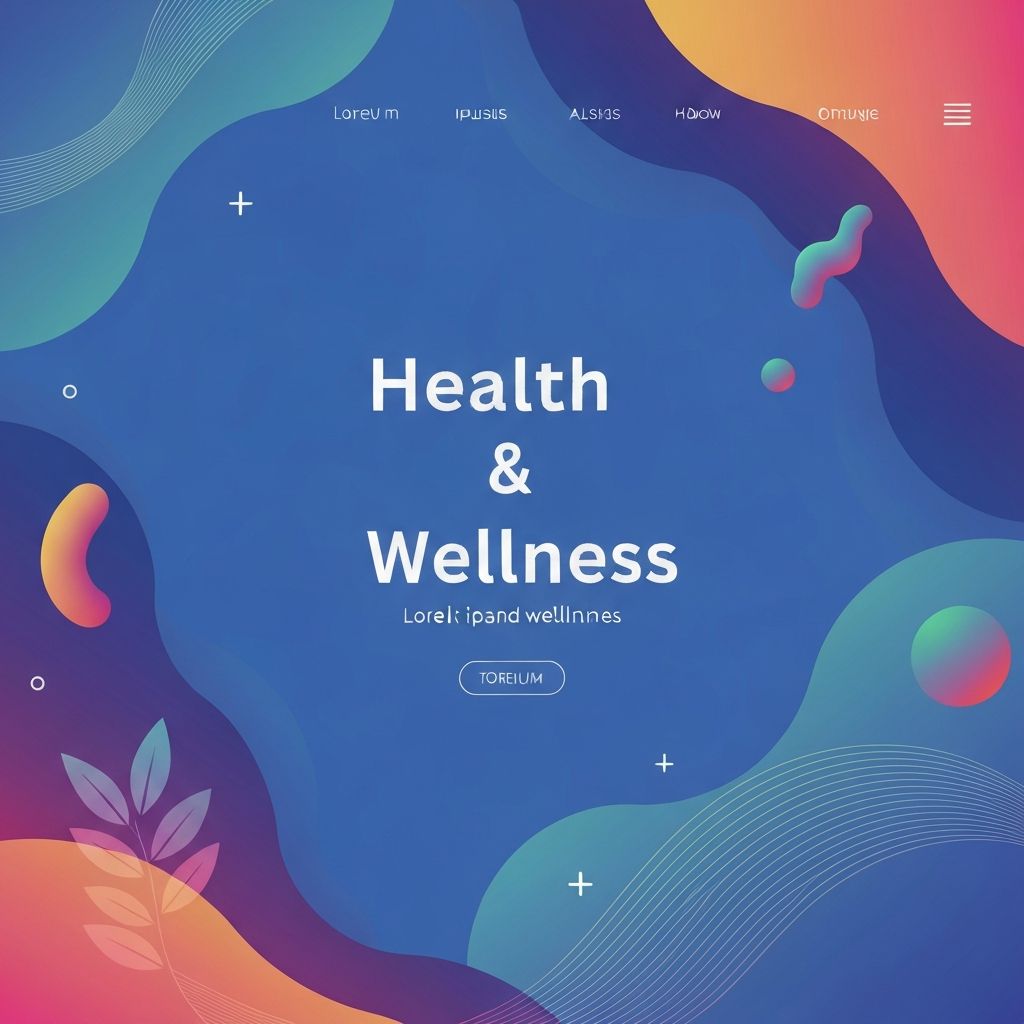
Visual restraint is a defining feature of strong health and wellness web design. Clean layouts, generous whitespace, soft color palettes, and natural imagery create a sense of calm. Typography should be highly legible, especially for older visitors, and contrast should remain comfortable rather than harsh. Decorative motion should be subtle to avoid distracting or unsettling sensitive visitors. Many of the underlying visual principles align with the modern website design approach used by experienced agencies.
Clear Information Architecture
Visitors should be able to answer their most pressing questions within a few clicks. What conditions are treated? What services are offered? Who are the practitioners? How are appointments booked? Where is the practice located? Strong information architecture ensures that these questions are answered through intuitive navigation rather than long search journeys. Service pages should be clearly labeled, related content cross-linked, and key actions reinforced throughout the site.
Easy Online Booking and Inquiry Flows
Convenience matters profoundly in health and wellness contexts. Many visitors prefer to book online rather than make a phone call, especially for sensitive concerns. Integrated scheduling systems that show real-time availability, allow service selection, and send automatic reminders dramatically reduce friction and no-shows. For brands that prefer consultations before booking, well-designed inquiry forms with thoughtful questions can pre-qualify leads while maintaining a professional, caring tone.
Trust Signals and Credibility
Visitors expect and deserve reassurance about the people behind the care. Detailed practitioner biographies, professional credentials, certifications, board memberships, and authentic patient testimonials all help establish credibility. Logos of recognized institutions or affiliations, when used appropriately, reinforce legitimacy. Transparent policies regarding privacy, cancellations, and pricing further demonstrate professionalism.
Accessibility Is Non-Negotiable
Health and wellness websites serve diverse audiences, including older adults, individuals with disabilities, and people experiencing physical or cognitive challenges. Accessibility must therefore be built into the foundation of the design. Sufficient color contrast, scalable typography, keyboard-friendly navigation, descriptive alt text, and screen reader compatibility ensure that no one is excluded from accessing important information. Beyond moral and legal imperatives, accessible design tends to produce cleaner, more usable experiences for everyone.
Privacy, Security, and Compliance
Health and wellness brands often handle sensitive personal information. Even contact forms and appointment requests can involve protected data. Strong web design considers privacy and security from the earliest stages, including secure form handling, encrypted connections, careful data storage, and clear privacy policies. Depending on the region and services, compliance with regulations such as HIPAA or GDPR may also be required, demanding particular care from both designers and developers.
Educational Content and SEO
Many visitors search for symptoms, conditions, and treatments long before they are ready to book an appointment. A well-structured blog or resource library provides answers, builds authority, and attracts organic traffic. Articles, guides, FAQs, and short videos can address common concerns while gently introducing the brand's services and philosophy. Strategically optimizing this content for search engines helps the practice reach the right audiences exactly when they need information most.
Mobile-First Performance
The majority of health-related searches occur on mobile devices. Mobile-first health and wellness web design ensures that booking buttons, contact options, location maps, and key information are immediately accessible on smaller screens. Fast load times, optimized imagery, and lightweight code all contribute to a smooth, anxiety-free experience for visitors who may already be stressed.
Local SEO for Practices and Clinics
For physical clinics and studios, local SEO is essential. Optimizing the website for location-based keywords, embedding maps, and maintaining a complete Google Business Profile help the practice appear in local searches. Encouraging satisfied patients to leave authentic reviews further strengthens visibility and reassures new visitors evaluating their options.
Continuous Care for the Website Itself
Just as patients benefit from ongoing care, websites benefit from ongoing maintenance. Regular content updates, security patches, performance audits, and accessibility reviews keep the site healthy and effective. Analytics provide insight into which pages help visitors most and where improvements can deepen engagement and conversion. Treating the website as a living resource ensures it continues to support the brand's mission for years to come.
Conclusion
Health and wellness web design is a careful balance of empathy, clarity, performance, and trust. By prioritizing calm aesthetics, strong information architecture, accessible interactions, and credible content, brands can create digital experiences that genuinely support the people they serve. In an industry where trust is everything, a thoughtfully designed website becomes one of the most powerful tools for connection, conversion, and long-term patient loyalty.