
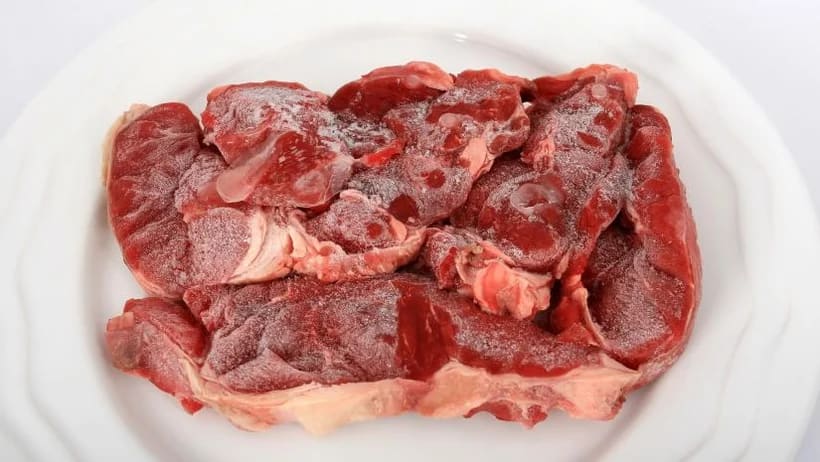
Freezing food is one of the most convenient and effective ways to preserve it. From leftovers and meats to vegetables and prepared meals, freezing helps extend shelf life and reduce food waste. However, many people eventually encounter a common issue: freezer burn. When you pull a piece of meat or a bag of vegetables out of the freezer and notice grayish-white patches, dry spots, or strange textures, you might wonder whether the food is still safe to eat.
A common question arises: Can you eat freezer burned food? The short answer is yes—most freezer burned food is safe to eat, but its quality may be compromised. To fully understand what freezer burn is, how it happens, whether it affects food safety, and how you can prevent it, it helps to take a deeper look.
This comprehensive guide will explain everything you need to know about freezer burn, including how it affects food, when it’s safe to eat freezer burned items, and how to avoid it in the future.
What Is Freezer Burn?
Freezer burn occurs when frozen food is exposed to air inside the freezer. This exposure causes moisture in the food to evaporate, leading to dehydration and oxidation on the surface of the food.
The result is the familiar appearance of:
- Grayish or whitish spots on meat
- Dry or leathery patches
- Ice crystals forming on the surface
- Changes in texture or flavor
Essentially, freezer burn is a form of surface damage that happens when food loses moisture while frozen.
Although freezers slow down bacterial growth, they do not completely stop physical changes in food. Over time, if food is not properly sealed, air can reach it and cause freezer burn.
Why the Name “Freezer Burn”?
The term “burn” is somewhat misleading. The food is not actually burned by heat. Instead, the damage resembles burn marks or dry patches, which is why the name stuck.
In reality, freezer burn is caused by:
- Sublimation – the process where frozen water turns directly into vapor without becoming liquid
- Oxidation – exposure to oxygen that can change the color and flavor of food
These processes affect the food’s appearance, taste, and texture, but not necessarily its safety.
Is Freezer Burned Food Safe to Eat?
Yes, freezer burned food is generally safe to eat.
Freezer burn affects the quality of food rather than its safety. Since freezing temperatures prevent harmful bacteria from multiplying, the food does not automatically become dangerous just because it has freezer burn.
However, there are some important details to consider.
When Freezer Burned Food Is Safe
Freezer burned food is typically safe when:
- The food has been stored continuously in the freezer
- It does not have an unusual smell unrelated to freezer burn
- It was safe and fresh when originally frozen
In these cases, you can safely cook and eat the food, though the flavor and texture might not be ideal.
When to Throw It Away
Even though freezer burn itself is not dangerous, you should discard food if:
- The food smells spoiled
- The texture has become slimy after thawing
- The food was stored in the freezer for an extremely long time
- The freezer temperature fluctuated frequently
In these situations, spoilage may have occurred before or after freezing.
How Freezer Burn Affects Different Types of Food
Freezer burn can impact various foods differently depending on their moisture content and structure.
Meat and Poultry
Meat is one of the most commonly freezer burned foods.
You may notice:
- Grayish or brown spots
- Dry, tough patches
- Slightly metallic or stale flavor
These areas are still edible but may taste unpleasant. Many people simply cut off the freezer burned portions before cooking.
Ground meat, steaks, chicken, and fish can all develop freezer burn if not tightly wrapped.
Vegetables
Frozen vegetables may develop ice crystals and become slightly dehydrated.
Common signs include:
- Frost buildup
- Dull color
- Slightly mushy texture after cooking
Fortunately, freezer burn usually affects vegetables less severely because many are blanched before freezing, which helps preserve their structure.
Bread and Baked Goods
Bread often develops freezer burn when stored without proper packaging.
Symptoms include:
- Dry edges
- Hard or crumbly texture
- Loss of freshness
While still safe to eat, freezer burned bread may taste stale. Toasting or reheating can help restore some of its texture.
Fruits
Frozen fruits may become:
- Mushy after thawing
- Covered in ice crystals
- Less flavorful
This happens because water inside the fruit expands when frozen and breaks down the fruit’s cell structure.
Even with freezer burn, fruits are often still usable in smoothies, sauces, or baking.
Prepared Meals
Casseroles, soups, and leftovers can also develop freezer burn.
Signs include:
- Dry surfaces
- Ice crystals on top
- Slight flavor changes
Reheating these foods with added moisture (such as broth or sauce) can help improve the texture.
How Freezer Burn Changes the Taste of Food
Although freezer burn does not make food unsafe, it can significantly impact taste and texture.
Texture Changes
Freezer burned food may become:
- Tough
- Dry
- Chewy
- Grainy
This occurs because moisture loss alters the structure of the food.
Flavor Changes
Oxidation can cause:
- Bland flavors
- Slightly rancid taste in fatty foods
- Metallic notes in meat
Foods high in fat, such as beef and fish, are more likely to develop unpleasant flavors when freezer burned.
Appearance Changes
Freezer burn often causes:
- Pale or gray patches
- Frost or ice crystals
- Uneven coloration
While these changes may look unappetizing, they do not necessarily mean the food is unsafe.
How Long Food Can Stay Frozen Before Freezer Burn Occurs
The length of time before freezer burn appears depends on packaging, freezer temperature, and food type.
Here are general storage guidelines for maintaining quality:
| Food Type | Recommended Freezer Time |
|---|---|
| Raw beef or steaks | 6–12 months |
| Chicken or poultry | 9–12 months |
| Ground meat | 3–4 months |
| Fish | 3–6 months |
| Vegetables | 8–12 months |
| Bread | 2–3 months |
| Prepared meals | 2–3 months |
After these time frames, freezer burn becomes more likely.
However, food kept at 0°F (-18°C) can remain safe indefinitely. The concern becomes quality rather than safety.
How to Fix or Use Freezer Burned Food
If you discover freezer burn on your food, there are several ways to still use it effectively.
Trim the Damaged Areas
For meats or poultry, simply cut away the dry patches before cooking.
This removes the parts most affected by dehydration and oxidation.
Use Moist Cooking Methods
Cooking methods that add moisture can improve the texture of freezer burned food.
Examples include:
- Slow cooking
- Braising
- Stewing
- Pressure cooking
These methods help rehydrate the food.
Add Sauces or Marinades
Marinating meat or cooking with sauces can help mask any flavor changes.
Good options include:
- Tomato-based sauces
- Broths
- Gravies
- Stir-fry sauces
Blend or Puree
Freezer burned fruits and vegetables can be used in:
- Smoothies
- Soups
- Purees
- Sauces
Blending helps hide texture changes.
Use in Recipes with Strong Flavors
Meals with bold spices or sauces can help disguise slight flavor differences.
Examples include:
- Chili
- Curry
- Casseroles
- Stir-fries
These dishes combine multiple ingredients, making freezer burn less noticeable.
How to Prevent Freezer Burn
The best way to deal with freezer burn is to prevent it in the first place.
Use Airtight Packaging
Air exposure is the primary cause of freezer burn.
Use packaging such as:
- Freezer bags
- Vacuum-sealed bags
- Airtight containers
- Heavy-duty aluminum foil
Removing as much air as possible greatly reduces the risk.
Vacuum Seal Food
Vacuum sealing is one of the most effective methods for preventing freezer burn.
By removing nearly all air from the package, vacuum sealers can keep food fresh for much longer periods.
Wrap Food Properly
When freezing meat or poultry:
- Wrap tightly in plastic wrap or freezer paper.
- Place inside a freezer bag.
- Remove excess air.
Double wrapping adds extra protection.
Freeze Food Quickly
Fast freezing reduces the formation of large ice crystals that can damage food.
Spread items out in the freezer so cold air can circulate around them.
Label and Date Everything
Always label food with the freezing date.
This helps ensure you use items before they lose quality.
Maintain the Right Freezer Temperature
Keep your freezer at 0°F (-18°C) or lower.
Temperature fluctuations can increase freezer burn risk.
Common Myths About Freezer Burn
There are several misconceptions about freezer burn that can cause unnecessary food waste.
Myth 1: Freezer Burn Means the Food Is Unsafe
False. Freezer burn only affects quality, not safety.
Myth 2: Cooking Freezer Burned Food Makes It Safe
Cooking does not “fix” freezer burn—it only improves taste and texture.
However, the food is usually already safe if it has been properly frozen.
Myth 3: Ice Crystals Always Mean Freezer Burn
Ice crystals can form simply from moisture in frozen food.
While they can be a sign of freezer burn, they do not always indicate severe damage.
Myth 4: Freezer Burn Only Happens to Meat
Almost any frozen food can develop freezer burn, including fruits, vegetables, bread, and prepared meals.
The Impact of Freezer Burn on Nutrition
One concern people often have is whether freezer burn affects nutritional value.
The good news is that most nutrients remain intact even when freezer burn occurs.
However, some small losses may occur due to:
- Oxidation
- Moisture loss
Vitamins such as vitamin C may decrease slightly over long storage periods, but the food generally remains nutritious.
Overall, freezer burned food is still a valuable source of nutrients.
Final Thoughts
So, can you eat freezer burned food? In most cases, the answer is yes. Freezer burn affects the quality, flavor, and texture of food but usually does not make it unsafe to eat. As long as the food was stored properly and does not show signs of spoilage, it can still be used in many recipes.
Understanding how freezer burn happens can help you reduce food waste and make better use of the items in your freezer. By trimming affected areas, using moist cooking methods, and incorporating freezer burned ingredients into flavorful dishes, you can often salvage food that might otherwise be thrown away.
Even better, learning proper freezing techniques—such as airtight packaging, vacuum sealing, and labeling—can help prevent freezer burn altogether.
Your freezer is one of the most powerful tools for food preservation. With the right methods, you can keep foods fresh, safe, and delicious for months while minimizing waste and saving money.