
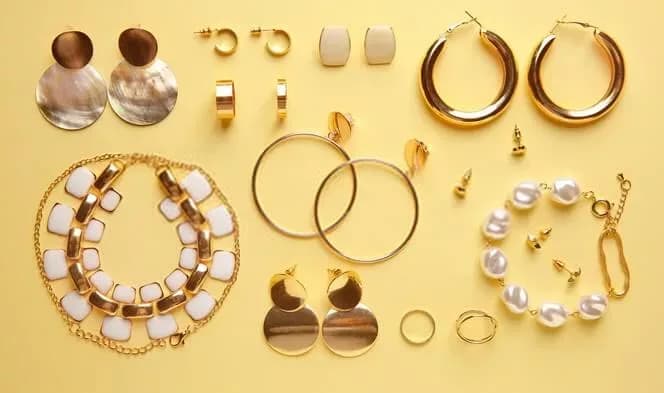
Starting a jewelry business can be both creatively fulfilling and financially rewarding. Jewelry has been a timeless symbol of beauty, status, emotion, and personal expression for thousands of years. From handcrafted artisan pieces to luxury gemstone collections, the global jewelry market continues to grow as consumers seek unique accessories that reflect their style and identity.
Whether you dream of designing handmade necklaces at home, launching an online jewelry brand, or opening a boutique store, building a successful jewelry business requires careful planning, creativity, and business strategy. This comprehensive guide explains everything you need to know about starting a jewelry business—from market research and branding to production, pricing, and marketing.
Understanding the Jewelry Industry
Before launching your jewelry business, it is important to understand how the industry works. Jewelry is a highly competitive market that includes different categories such as fine jewelry, fashion jewelry, and handmade artisan pieces.
Fine jewelry typically includes precious metals like gold, platinum, and silver combined with gemstones such as diamonds, sapphires, and emeralds. These products tend to be higher priced and target luxury consumers.
Fashion jewelry, sometimes called costume jewelry, is made from less expensive materials such as stainless steel, brass, glass beads, resin, or synthetic stones. These items are often trendy and affordable, appealing to a wide audience.
Handmade jewelry sits somewhere in the middle. Many consumers today value handcrafted items because they feel unique, personal, and artistic. This category is particularly popular on online marketplaces and social media platforms.
Understanding these segments will help you determine where your business fits and what type of customers you want to serve.
Identify Your Jewelry Niche
One of the most important steps in starting a jewelry business is choosing a niche. A niche allows you to stand out in a crowded marketplace and attract a specific audience.
Some popular jewelry niches include:
- Handmade beaded jewelry
- Minimalist jewelry designs
- Luxury gemstone jewelry
- Personalized jewelry (engraved names or initials)
- Wedding and bridal jewelry
- Spiritual or healing crystal jewelry
- Sustainable and eco-friendly jewelry
- Men's jewelry
- Cultural or ethnic-inspired designs
Choosing a niche helps define your brand identity and makes marketing easier. Instead of trying to appeal to everyone, you focus on a group of customers who are most likely to love your products.
When selecting your niche, consider your skills, interests, and the demand in the market. If you already have experience in crafting or designing jewelry, that can give you a strong advantage.
Research Your Target Market
Market research helps you understand who your customers are and what they want. Successful jewelry businesses know their audience well.
Consider factors such as:
- Age group
- Income level
- Fashion preferences
- Shopping behavior
- Lifestyle interests
For example, younger audiences may prefer trendy, affordable pieces while older customers may look for high-quality materials and classic designs.
You can conduct market research by:
- Studying successful jewelry brands online
- Reading customer reviews
- Analyzing trends on social media
- Exploring marketplaces like Etsy or Amazon
Understanding your target market will influence your product designs, pricing strategy, and marketing approach.
Create a Jewelry Business Plan
A business plan acts as a roadmap for your jewelry brand. It helps you clarify your goals and stay organized as your business grows.
A typical jewelry business plan should include:
Business Overview
Describe your jewelry brand, your mission, and what makes your products unique.
Market Analysis
Explain your target market, competitors, and industry trends.
Product Line
Outline the types of jewelry you will sell, materials used, and design style.
Marketing Strategy
Describe how you will promote and sell your jewelry.
Financial Plan
Estimate your startup costs, pricing strategy, and expected revenue.
Having a clear business plan can also help if you want to seek investors or apply for small business loans.
Choose a Business Name and Brand Identity
Your brand is more than just a logo. It represents the personality, values, and story behind your jewelry.
Start by choosing a memorable business name. Ideally, the name should be easy to spell, easy to remember, and related to your jewelry style.
Next, develop your brand identity, which includes:
- Logo design
- Brand colors
- Packaging style
- Typography
- Brand voice and messaging
For example, a luxury jewelry brand might use elegant packaging and sophisticated branding, while a handmade boho jewelry brand might focus on earthy colors and natural materials.
Strong branding helps customers recognize your products and builds trust.
Decide How You Will Produce Your Jewelry
There are several ways to produce jewelry depending on your business model.
Handmade Production
Many small jewelry businesses start with handmade production. This involves crafting each piece yourself using tools and materials.
Advantages include:
- Creative control
- Unique designs
- Lower startup costs
However, handmade production can be time-consuming and may limit how quickly your business can scale.
Manufacturing
If you want to produce larger quantities, you may work with a jewelry manufacturer. Manufacturers can produce your designs at scale, allowing you to sell more products.
However, manufacturing requires higher upfront investment and quality control.
Print-on-Demand or Custom Suppliers
Some businesses use suppliers that create jewelry after an order is placed. This reduces inventory risk and storage needs.
The right production method depends on your goals, budget, and design complexity.
Source Materials and Supplies
If you plan to make jewelry yourself, you will need reliable suppliers for materials.
Common jewelry supplies include:
- Beads
- Chains
- Clasps
- Wire
- Gemstones
- Metal components
- Jewelry tools
Look for suppliers that offer consistent quality and fair pricing. Buying materials in bulk can reduce costs over time.
Quality materials are essential because they influence durability, appearance, and customer satisfaction.
Set Up Your Workspace
A functional workspace is important for efficiency and safety.
You do not necessarily need a large studio when starting out. Many jewelry entrepreneurs begin from home with a small workspace.
Your workspace should include:
- A sturdy work table
- Proper lighting
- Jewelry-making tools
- Storage for beads and materials
- Safety equipment if working with metals or chemicals
Keeping your workspace organized helps improve productivity and reduce mistakes during production.
Register Your Jewelry Business
To operate legally, you may need to register your business depending on your location.
Common business structures include:
- Sole proprietorship
- Partnership
- Limited liability company (LLC)
- Corporation
Each structure has different legal and tax implications.
You may also need to:
- Register your business name
- Obtain local licenses
- Apply for a tax identification number
- Open a business bank account
It is often helpful to consult a business advisor or accountant when setting up your company.
Price Your Jewelry Correctly
Pricing is one of the most challenging aspects of running a jewelry business. If prices are too high, customers may hesitate to buy. If prices are too low, you may struggle to make profit.
A common pricing formula includes:
Material Cost + Labor Cost + Overhead + Profit Margin
For example:
- Materials: $10
- Labor: $15
- Overhead: $5
Total cost = $30
You may then apply a markup depending on your brand positioning.
Many jewelry businesses use a 2x to 3x markup for wholesale and 4x to 5x markup for retail.
Your pricing should also reflect the perceived value of your brand and the uniqueness of your designs.
Build an Online Store
Today, most jewelry businesses sell online. Having an online store allows you to reach customers worldwide.
Popular platforms include:
- Shopify
- Etsy
- WooCommerce
- BigCommerce
Your online store should include:
- High-quality product photos
- Detailed descriptions
- Size and material information
- Customer reviews
- Clear return policies
Professional product photography is especially important for jewelry because customers rely heavily on visuals when deciding to buy.
Sell on Online Marketplaces
Online marketplaces are great for beginners because they already have built-in traffic.
Some popular marketplaces include:
- Etsy
- Amazon Handmade
- eBay
- Facebook Marketplace
These platforms make it easier for customers to discover your products. However, they often charge fees and have strong competition.
Many successful jewelry brands start on marketplaces and later expand to their own websites.
Use Social Media to Promote Your Jewelry
Social media is one of the most powerful tools for marketing jewelry.
Platforms like Instagram, TikTok, and Pinterest are highly visual, making them ideal for showcasing jewelry designs.
Effective social media strategies include:
- Posting high-quality photos
- Sharing behind-the-scenes videos
- Showing the jewelry-making process
- Collaborating with influencers
- Running giveaways and contests
Consistency is key. Posting regularly helps build brand awareness and attract loyal followers.
Invest in Professional Photography
Jewelry is a visual product, so photography plays a huge role in sales.
Good jewelry photos should include:
- Clear lighting
- Close-up shots
- Lifestyle images showing people wearing the jewelry
- Multiple angles
Using neutral backgrounds or elegant props can enhance the presentation.
If possible, invest in a professional photographer or learn basic product photography techniques.
Create Attractive Packaging
Packaging can significantly influence the customer experience.
Beautiful packaging makes your brand feel more premium and encourages customers to share their purchases on social media.
Common packaging options include:
- Jewelry boxes
- Velvet pouches
- Branded packaging with logos
- Thank-you cards
Small details like handwritten notes or care instructions can leave a lasting impression on customers.
Provide Excellent Customer Service
Happy customers are more likely to recommend your brand and make repeat purchases.
Good customer service includes:
- Responding quickly to inquiries
- Offering clear return policies
- Resolving issues professionally
- Communicating shipping updates
Customer trust is essential in online businesses, especially for jewelry purchases.
Track Your Finances and Inventory
Keeping track of finances is essential for long-term success.
You should monitor:
- Revenue and sales trends
- Production costs
- Inventory levels
- Marketing expenses
Using accounting software can simplify financial management.
Inventory tracking is also important to ensure popular designs remain in stock.
Expand Your Jewelry Business
Once your jewelry business gains traction, you can explore ways to grow.
Some expansion strategies include:
- Launching new collections
- Collaborating with fashion influencers
- Opening a physical boutique
- Selling wholesale to retail stores
- Creating custom jewelry services
Scaling gradually allows you to maintain quality while reaching a wider audience.
Common Challenges in the Jewelry Business
Like any business, jewelry entrepreneurship comes with challenges.
Some common obstacles include:
- Strong competition
- Material cost fluctuations
- Time-consuming production
- Maintaining consistent quality
- Marketing and brand visibility
However, with persistence and continuous improvement, many jewelry entrepreneurs build thriving brands.
Final Thoughts
Starting a jewelry business combines creativity, craftsmanship, and entrepreneurship. While the journey requires patience and strategic planning, it can also be incredibly rewarding.
By identifying your niche, understanding your target market, creating strong branding, and using effective marketing strategies, you can build a successful jewelry brand that stands out in the marketplace.
The most important factor is passion. Jewelry businesses thrive when the creator truly enjoys designing beautiful pieces that bring joy and confidence to customers.
If you remain committed to learning, improving your designs, and connecting with your audience, your jewelry business has the potential to grow into a profitable and meaningful venture.