
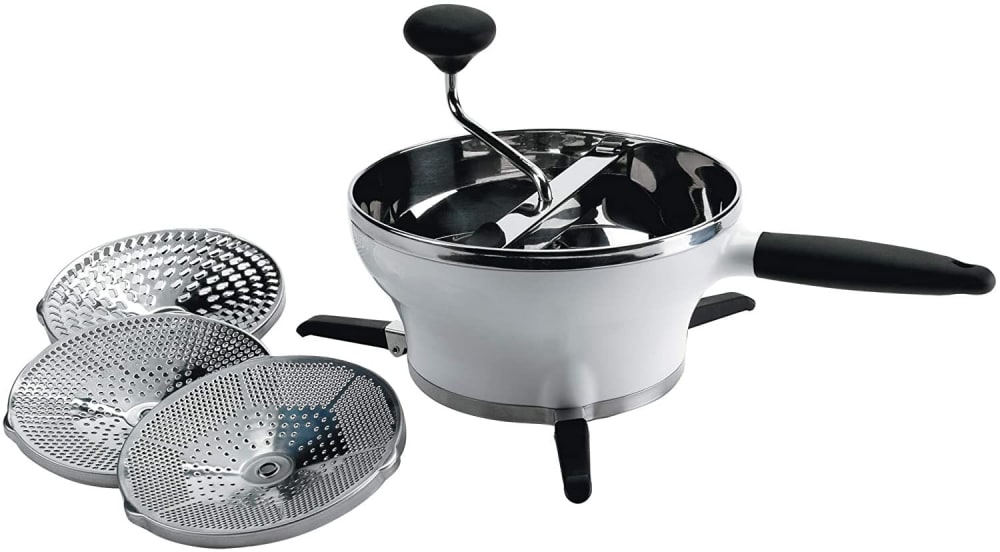
A food mill is a classic kitchen tool that has been used for generations to puree, mash, and strain foods into smooth textures without the need for electricity. While modern kitchens often rely on blenders, food processors, and immersion blenders, the food mill remains a valuable tool for cooks who want precise control over texture and consistency.
From making silky tomato sauces to preparing smooth mashed potatoes or baby food, a food mill offers a simple mechanical solution for processing foods. Its unique design allows it to separate seeds, skins, and fibers from the edible portion of fruits and vegetables while producing a consistent puree.
In this comprehensive guide, you will learn what a food mill is, how it works, its main components, common uses, benefits, differences from similar kitchen tools, and tips for choosing and using one effectively.
Understanding a Food Mill
A food mill is a manual kitchen device designed to mash and strain soft foods simultaneously. It works by pressing cooked or soft ingredients through a perforated plate using a rotating blade.
Unlike blenders or food processors that chop or liquefy ingredients using sharp blades and electricity, a food mill gently crushes and pushes food through small holes. This process produces a smooth puree while removing unwanted elements such as seeds, skins, or fibrous bits.
Because of this function, food mills are especially popular in traditional cooking methods and are widely used in European cuisines for preparing sauces, soups, jams, and vegetable purees.
The Basic Concept
The idea behind a food mill is simple:
- Food is placed inside the bowl of the mill.
- A crank handle rotates a metal blade.
- The blade presses the food against a perforated disk.
- Smooth food passes through the holes.
- Skins, seeds, and coarse fibers remain inside.
This combination of mashing and straining makes the food mill extremely efficient for producing smooth textures.
Main Parts of a Food Mill
Although different models vary slightly in design, most food mills include the same basic components.
1. The Bowl
The bowl is the container that holds the food being processed. It is usually made from stainless steel or durable plastic and often has small hooks or supports that allow it to sit securely over a bowl or pot.
The bowl’s shape allows processed food to pass through the bottom while keeping larger pieces inside.
2. The Crank Handle
The crank handle is attached to the rotating mechanism. Turning the handle moves the internal blade around the bowl, pressing the food against the perforated plate.
The manual crank design gives cooks precise control over the speed and pressure used during processing.
3. The Blade or Milling Disk
Inside the bowl is a curved blade or paddle that rotates as the crank is turned. The blade pushes the food downward and outward against the perforated disk.
The blade is designed to apply steady pressure rather than cutting food like a knife blade.
4. The Perforated Disk
The perforated disk sits at the bottom of the mill and contains evenly spaced holes. This disk determines the final texture of the food.
Most food mills come with interchangeable disks that offer different hole sizes, such as:
- Fine disk for smooth sauces or baby food
- Medium disk for mashed vegetables
- Coarse disk for chunkier textures
5. Support Hooks or Legs
Many food mills include hooks or legs that allow the mill to rest securely on top of a bowl, pot, or saucepan. This design lets processed food fall directly into the container below.
How a Food Mill Works
Using a food mill is a straightforward process, which is one reason it has remained popular for centuries.
Step 1: Prepare the Food
Food mills work best with soft or cooked foods. Vegetables such as potatoes, tomatoes, and squash should usually be boiled, roasted, or steamed before processing.
Some fruits, like berries or apples, may only require light cooking to soften them.
Step 2: Place the Food in the Mill
The softened ingredients are placed inside the bowl of the food mill.
Step 3: Turn the Crank
The cook rotates the crank handle, which spins the internal blade around the bowl.
Step 4: Press and Strain
As the blade rotates, it pushes the food against the perforated disk. The edible portion passes through the holes, while skins, seeds, and fibers stay behind.
Step 5: Collect the Puree
The smooth puree falls through the bottom into the bowl or pot placed beneath the mill.
This process produces consistent textures without over-processing the food.
Common Uses for a Food Mill
Food mills are versatile kitchen tools with many culinary applications. They are particularly useful when both pureeing and straining are required.
Tomato Sauce
One of the most common uses for a food mill is making tomato sauce. When cooked tomatoes are processed through a food mill, the pulp passes through the disk while the skins and seeds remain behind.
This creates a smooth sauce without the need to peel or seed the tomatoes beforehand.
Mashed Potatoes
A food mill can produce extremely smooth mashed potatoes. Unlike electric mixers, which can make potatoes gluey by overworking the starch, a food mill gently presses the potatoes into a fluffy mash.
Applesauce
Making homemade applesauce is another popular use. Cooked apples are passed through the mill, leaving the skins behind while producing a smooth, natural applesauce.
Baby Food
Parents who prepare homemade baby food often use food mills because they create smooth purees without additives or preservatives.
Cooked vegetables like carrots, peas, and sweet potatoes can easily be processed into nutritious baby meals.
Soups and Purees
Food mills are ideal for preparing creamy soups such as:
- Tomato soup
- Butternut squash soup
- Carrot soup
The mill removes fibrous bits while maintaining a thick, velvety consistency.
Fruit Purees and Jams
Fruits such as berries, peaches, and plums can be milled to remove seeds and skins before making jams, jellies, or fruit sauces.
This ensures a smooth final product.
Benefits of Using a Food Mill
Despite the availability of modern electric appliances, food mills remain popular for several reasons.
Better Texture Control
Food mills create smooth textures without over-processing food. Electric blenders often incorporate too much air or break down ingredients too aggressively.
A food mill provides gentle processing that preserves natural texture.
Removes Seeds and Skins Automatically
One of the biggest advantages of a food mill is that it strains food while pureeing it.
For example, tomatoes can be milled directly without peeling or removing seeds manually.
No Electricity Required
Because food mills are manual tools, they can be used anywhere without electricity. This makes them useful for outdoor cooking, small kitchens, or emergency situations.
Durable and Long-Lasting
High-quality stainless steel food mills are extremely durable and can last for decades with proper care.
Simple Operation
Food mills have a simple design with very few parts. This makes them easy to operate and maintain.
Food Mill vs Other Kitchen Tools
Many people wonder whether they really need a food mill when they already own other kitchen appliances. Understanding the differences can help determine when a food mill is the best tool.
Food Mill vs Blender
Blenders use high-speed blades to liquefy ingredients, which often creates a thinner texture.
Food mills produce thicker purees and can remove seeds and skins, which blenders cannot do without additional straining.
Food Mill vs Food Processor
Food processors chop and blend foods quickly, but they do not strain out seeds or skins.
They also tend to produce chunkier textures rather than smooth purees.
Food Mill vs Potato Ricer
A potato ricer pushes potatoes through small holes using pressure, similar to a garlic press.
However, a ricer is designed specifically for potatoes, while a food mill can process a wide variety of foods.
Food Mill vs Immersion Blender
Immersion blenders are convenient for blending soups directly in a pot, but they cannot remove skins or seeds.
A food mill offers more control when straining is required.
Types of Food Mills
Food mills come in several designs and sizes depending on the intended use.
Manual Hand-Crank Food Mills
These are the most common models. They feature a hand crank and interchangeable disks for different textures.
They are reliable, affordable, and widely used in home kitchens.
Electric Food Mills
Electric food mills automate the grinding process. They are less common but useful for processing large batches of food.
These are often used in commercial kitchens or food preservation operations.
Stand-Mounted Food Mills
Some food mills are designed to sit securely on pots or bowls with adjustable legs. This makes them stable when processing large quantities of food.
Specialty Food Mills
Some manufacturers produce mills specifically for tomatoes, berries, or baby food. These models may include specialized disks for specific textures.
How to Choose the Right Food Mill
If you are planning to buy a food mill, there are several factors to consider.
Material
Stainless steel is generally the best choice because it is durable, rust-resistant, and easy to clean.
Plastic models are lighter and cheaper but may not last as long.
Disk Options
Look for a food mill that includes multiple disks with different hole sizes. This allows greater flexibility for various recipes.
Size and Capacity
Food mills come in different bowl sizes. A larger mill is helpful for processing big batches of tomatoes or apples.
Stability
Models with sturdy legs or hooks that rest securely on bowls or pots are easier to use.
Ease of Cleaning
Choose a design that can be easily disassembled for washing.
Tips for Using a Food Mill
To get the best results from a food mill, consider the following tips.
Use Soft or Cooked Ingredients
Food mills work best with soft foods. Hard vegetables should be cooked first.
Work in Small Batches
Overfilling the mill can make it difficult to crank and may reduce efficiency.
Choose the Right Disk
Use a fine disk for smooth sauces and baby food, and a coarser disk for mashed vegetables.
Scrape the Bottom Occasionally
Sometimes puree collects on the underside of the disk. Scraping it occasionally ensures smoother processing.
Cleaning and Maintenance
Proper cleaning will keep your food mill working efficiently for years.
Immediate Cleaning
Rinse the mill soon after use to prevent food from drying in the holes of the disk.
Disassemble the Parts
Most food mills can be easily taken apart so each component can be washed thoroughly.
Hand Wash When Possible
Although some models are dishwasher-safe, hand washing often helps maintain the finish and longevity of the tool.
Dry Thoroughly
Drying the mill completely prevents rust and water spots.
Is a Food Mill Still Relevant Today?
In an age dominated by high-powered kitchen appliances, some people wonder if food mills are still necessary.
The answer is yes. Food mills offer several advantages that modern appliances cannot fully replace:
- They produce superior textures for certain recipes
- They combine pureeing and straining in one step
- They are simple, durable, and energy-efficient
For cooks who regularly prepare homemade sauces, soups, jams, or baby food, a food mill can be an invaluable addition to the kitchen.
Conclusion
A food mill is a versatile and timeless kitchen tool designed to puree and strain foods simultaneously. Its simple hand-cranked design allows cooks to create smooth sauces, mashed vegetables, fruit purees, and soups while automatically removing skins, seeds, and fibers.
Although blenders and food processors are common in modern kitchens, food mills continue to offer unique advantages, especially when texture control and straining are important. Their durability, simplicity, and ability to produce high-quality results make them a favorite among home cooks and professional chefs alike.
Whether you are making homemade tomato sauce, creamy mashed potatoes, fresh applesauce, or nutritious baby food, a food mill can help you achieve consistently smooth and delicious results. For anyone who enjoys cooking from scratch, this traditional kitchen tool remains a practical and worthwhile investment.