
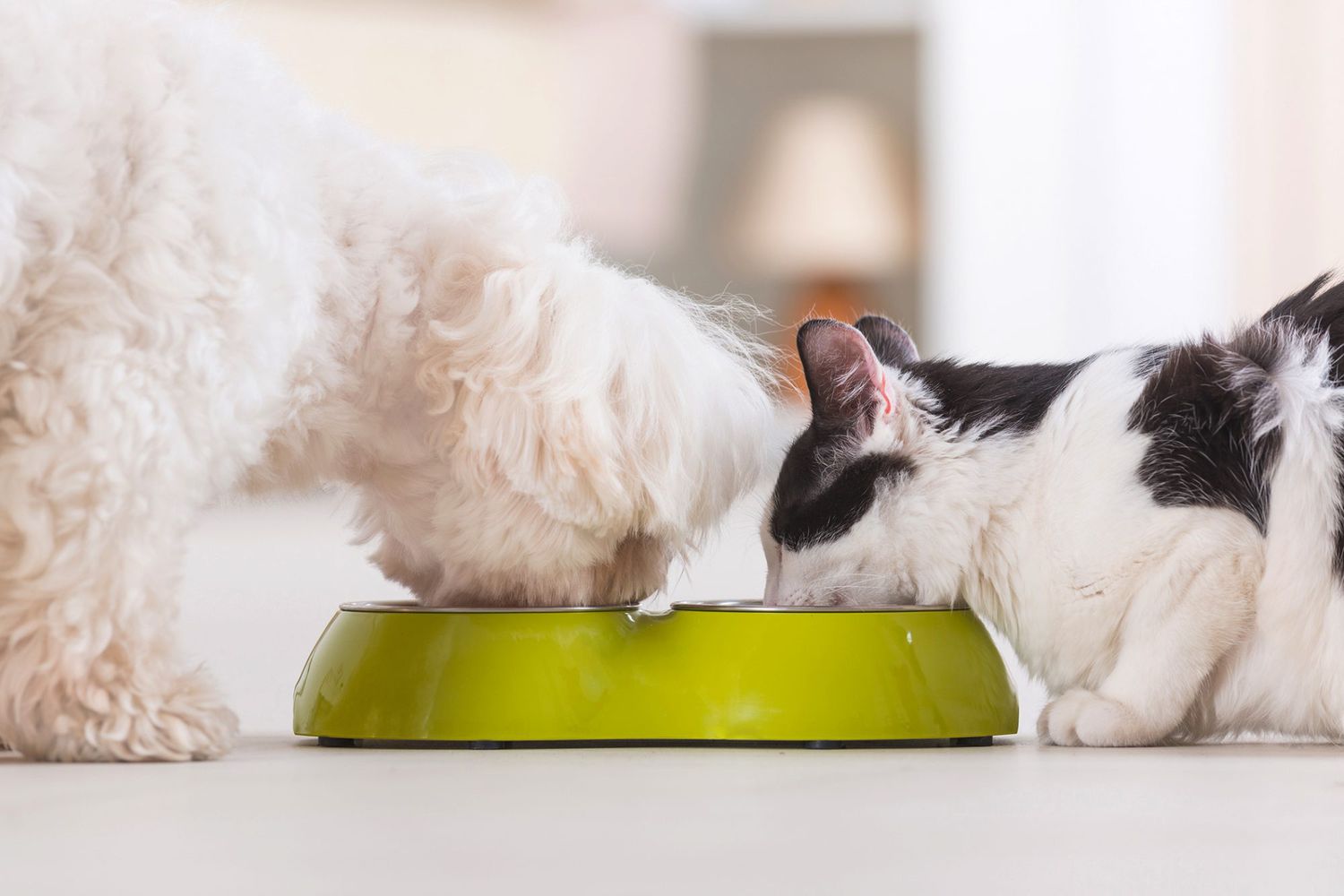
The short answer is yes, dogs can eat cat food, but they should not eat it regularly. While a small amount is usually not dangerous, cat food is not nutritionally appropriate for dogs and can cause health problems over time. Understanding why cat food appeals to dogs, how it differs from dog food, and what risks it carries is essential for every pet owner.
This comprehensive guide explores everything you need to know, from nutritional differences to health risks and practical feeding tips.
Understanding the Nutritional Needs of Dogs and Cats
Dogs and cats may both be household pets, but their dietary needs are very different.
Dogs Are Omnivores
Dogs are omnivores, meaning they can eat both animal-based and plant-based foods. Their diet requires:
- Balanced protein levels
- Carbohydrates for energy
- Healthy fats
- Vitamins and minerals
- Fiber for digestion
Cats Are Obligate Carnivores
Cats, on the other hand, are obligate carnivores. Their bodies rely almost entirely on animal-based proteins and fats. Cat food typically contains:
- Higher protein levels
- Higher fat content
- Taurine (an essential amino acid for cats)
- More concentrated nutrients
Why Are Dogs So Attracted to Cat Food?
If cat food isn’t good for dogs, why do they love it so much?
Strong Smell and Flavor
Cat food is designed to appeal to picky eaters. It often contains richer meats, stronger aromas, and higher fat content, which dogs find irresistible.
Higher Protein and Fat Content
Dogs naturally gravitate toward foods high in fat and protein. Cat food delivers both in abundance, making it especially tempting.
Easy Access
Cat bowls are often left out for free feeding, making it easy for dogs to sneak a snack.
Is It Safe for Dogs to Eat Cat Food Occasionally?
Short-Term Effects
If your dog eats a small amount of cat food once or twice, it usually isn’t a cause for panic. In healthy dogs, the most common short-term effects include:
- Mild stomach upset
- Gas or bloating
- Soft stools or diarrhea
- Occasional vomiting
When Occasional Becomes a Problem
While an occasional bite may be harmless, regular consumption of cat food can lead to serious health problems for dogs.
Health Risks of Feeding Cat Food to Dogs
Digestive Issues
Cat food is richer and heavier than dog food. Dogs that eat it frequently may experience:
- Chronic diarrhea
- Vomiting
- Abdominal discomfort
- Pancreatitis (in severe cases)
Obesity and Weight Gain
Cat food contains more calories and fat than dog food. Over time, this can cause:
- Rapid weight gain
- Obesity-related health issues
- Joint problems
- Reduced mobility
Pancreatitis Risk
High-fat foods are a major trigger for pancreatitis in dogs. This painful condition can cause:
- Severe abdominal pain
- Lethargy
- Vomiting
- Loss of appetite
Nutritional Imbalances
Cat food lacks the proper balance of nutrients dogs need. Long-term feeding can result in:
- Vitamin deficiencies
- Mineral imbalances
- Poor coat quality
- Weakened immune system
Liver and Kidney Strain
The high protein levels in cat food can place extra strain on a dog’s liver and kidneys, especially in:
- Senior dogs
- Dogs with kidney disease
- Dogs with liver conditions
Can Puppies Eat Cat Food?
Puppies have delicate digestive systems and specific nutritional needs for growth.
Risks for Puppies
- Upset stomach
- Poor nutrient balance
- Excessive calorie intake
- Digestive distress
Can Senior Dogs Eat Cat Food?
Senior dogs are more sensitive to dietary changes.
Increased Risks for Older Dogs
- Higher risk of pancreatitis
- Kidney strain
- Digestive sensitivity
- Weight gain
What Should You Do If Your Dog Eats Cat Food?
Monitor for Symptoms
If your dog eats cat food, observe them for:
- Vomiting
- Diarrhea
- Lethargy
- Loss of appetite
Provide Water
Encourage your dog to drink water to help digestion.
Avoid More Rich Foods
Stick to their regular dog food and avoid treats for the rest of the day.
Contact a Vet If Symptoms Persist
Seek veterinary advice if symptoms last more than 24 hours or worsen.
Can Cat Food Ever Be Used for Dogs?
Emergency Situations Only
In rare emergencies, such as running out of dog food, cat food may be used for one meal only. It should never become a habit.
Better Emergency Alternatives
If dog food isn’t available, safer short-term options include:
- Plain boiled chicken
- Cooked rice
- Plain scrambled eggs (no seasoning)
Differences Between Dog Food and Cat Food
Protein Levels
- Cat food: Very high protein
- Dog food: Moderate protein
Fat Content
- Cat food: High fat
- Dog food: Balanced fat
Added Nutrients
- Cat food: Taurine (not required by dogs)
- Dog food: Fiber and carbohydrates for digestion
Calorie Density
- Cat food: More calorie-dense
- Dog food: Designed for controlled energy intake
How to Stop Dogs From Eating Cat Food
Feed Pets Separately
- Feed cats in elevated areas
- Feed dogs on the floor
Set Feeding Times
Avoid free feeding cats. Scheduled meals reduce access.
Use Baby Gates or Pet Doors
Create separate feeding zones.
Supervise Meal Times
Monitor both pets during feeding until habits improve.
Are There Dog Foods That Taste Like Cat Food?
Some dogs crave cat food because of its flavor. You can satisfy this preference safely by choosing dog foods that feature:
- High-quality animal proteins
- Fish-based recipes
- Wet dog food with strong aromas
Common Myths About Dogs Eating Cat Food
Myth 1: Cat Food Is Just Richer Dog Food
Cat food is not simply richer — it’s nutritionally inappropriate for dogs.
Myth 2: High Protein Is Always Good for Dogs
Too much protein and fat can harm dogs, especially long-term.
Myth 3: Dogs Know What’s Good for Them
Dogs often choose taste over health, which is why owners must regulate their diet.
Final Thoughts: Can Dogs Eat Cat Food?
So, can dogs eat cat food?
Yes, dogs can eat cat food occasionally and accidentally, but they should not eat it regularly.
Cat food is formulated specifically for cats and does not meet the nutritional needs of dogs. Frequent consumption can lead to digestive issues, obesity, pancreatitis, and long-term health problems.
For your dog’s health and happiness:
- Feed them high-quality dog food
- Prevent regular access to cat food
- Monitor any accidental ingestion
- Consult a veterinarian if issues arise