
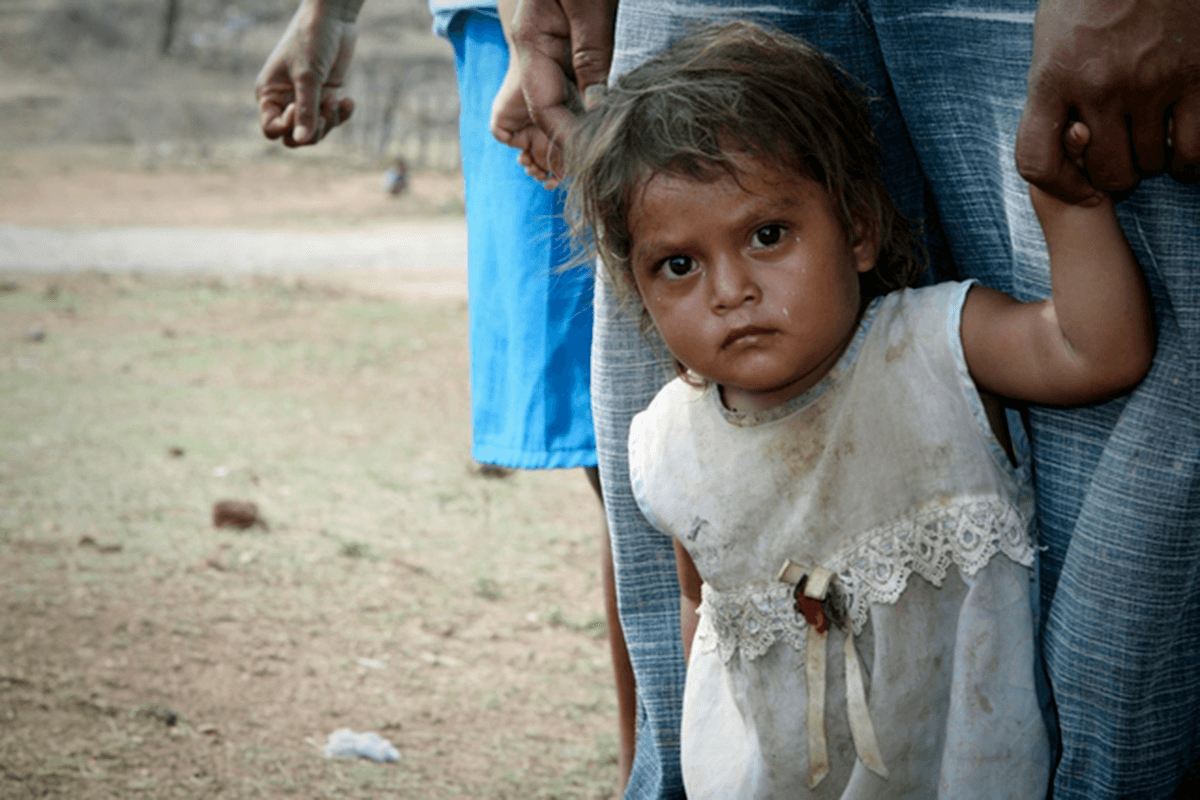
The question “how long can you live without food?” has fascinated scientists, survival experts, and medical professionals for decades. Whether driven by curiosity, fasting practices, survival scenarios, or medical concerns, understanding the limits of the human body without food is essential.
While humans can survive longer without food than many people expect, starvation is extremely dangerous and can cause permanent damage or death if prolonged. The human body depends on regular nourishment to maintain organ function, brain activity, immunity, and energy levels.
This article explores how long a person can live without food, what happens to the body during starvation, the stages of fasting, factors that influence survival time, and when food deprivation becomes life-threatening.
The Difference Between Food and Water Survival
Before discussing food deprivation, it’s important to understand a critical distinction.
- Humans can survive weeks without food
- Humans can survive only days without water
How Long Can You Live Without Food?
General Survival Timeline
Most healthy adults can survive approximately 30 to 60 days without food, as long as they have access to water. However, survival time varies widely depending on multiple factors.
Here is a general breakdown:
- 0–3 days: Body uses glucose and stored glycogen
- 3–14 days: Body switches to fat and muscle breakdown
- 2–8 weeks: Severe muscle loss, organ stress, immune collapse
- Beyond 8 weeks: High risk of organ failure and death
What Happens to the Body When You Stop Eating?
The human body adapts to starvation in stages. Each stage places increasing strain on vital systems.
Stage 1: First 24–72 Hours Without Food
During the first few days, the body relies on stored energy.
What Happens Internally
- Glycogen stored in the liver and muscles is depleted
- Blood sugar levels drop
- Hunger hormones spike
Common Symptoms
- Hunger pangs
- Irritability
- Fatigue
- Headaches
- Difficulty concentrating
Stage 2: Fat Burning and Ketosis (Days 3–14)
Once glycogen is depleted, the body enters ketosis, a state where fat becomes the primary fuel source.
Internal Changes
- Fat is broken down into ketones
- Muscle tissue begins breaking down for protein
- Metabolism slows to conserve energy
Symptoms
- Weakness
- Dizziness
- Cold sensitivity
- Bad breath (from ketones)
- Reduced physical endurance
Stage 3: Muscle and Organ Breakdown (Weeks 2–6)
As fat reserves decrease, the body increasingly consumes muscle tissue and organ proteins.
What Happens to Organs
- Heart muscle weakens
- Digestive system slows dramatically
- Immune system becomes compromised
- Hormone production declines
Physical Symptoms
- Significant weight loss
- Muscle wasting
- Hair thinning or loss
- Low blood pressure
- Increased susceptibility to infections
Stage 4: Organ Failure and Death (Beyond 6–8 Weeks)
Once fat and muscle reserves are depleted, the body can no longer sustain essential functions.
Life-Threatening Complications
- Heart failure
- Kidney failure
- Liver damage
- Electrolyte imbalance
- Severe infections
Factors That Affect How Long You Can Live Without Food
Survival time without food varies greatly between individuals.
Body Fat and Muscle Mass
People with higher fat reserves may survive longer, but excessive weight loss still causes severe harm.
Hydration
Access to water dramatically extends survival time. Dehydration accelerates death.
Age
- Young adults may survive longer
- Children and elderly individuals are more vulnerable
Health Status
Chronic conditions such as diabetes, heart disease, or kidney disease shorten survival time.
Activity Level
Physical exertion increases energy demands and speeds up starvation.
Environmental Conditions
Cold environments increase calorie needs, while extreme heat accelerates dehydration.
Can You Live Without Food but With Supplements?
Supplements alone cannot replace food.
While vitamins and minerals may slow deficiencies, the body still needs:
- Calories
- Protein
- Essential fats
Is Fasting the Same as Starvation?
No. There is an important distinction.
Controlled Fasting
- Planned
- Short-term
- Often medically supervised
- Includes hydration
Starvation
- Prolonged food deprivation
- Uncontrolled
- Dangerous
- Leads to organ damage
Psychological Effects of Starvation
Starvation affects the brain as much as the body.
Mental and Emotional Changes
- Depression
- Anxiety
- Irritability
- Cognitive decline
- Obsessive thoughts about food
How Long Can You Live Without Food and Water?
Without both food and water, survival time is drastically reduced.
- 3–5 days without water is often fatal
- Dehydration leads to organ failure quickly
Warning Signs of Dangerous Starvation
Seek medical attention immediately if someone experiences:
- Extreme weakness
- Fainting
- Confusion
- Irregular heartbeat
- Inability to stand
- No food intake for several days
Recovery After Prolonged Food Deprivation
Refeeding after starvation must be done carefully.
Refeeding Syndrome
Sudden intake of food after starvation can cause dangerous electrolyte shifts, leading to:
- Heart failure
- Seizures
- Respiratory distress
Gradual Nutritional Support
Recovery typically involves:
- Slow calorie reintroduction
- Electrolyte monitoring
- Hydration therapy
- Protein supplementation
Historical and Medical Cases of Starvation Survival
History shows that some individuals have survived weeks without food, but often with:
- Severe long-term health consequences
- Permanent organ damage
- Psychological trauma
Why the Body Cannot Survive Indefinitely Without Food
Food provides:
- Energy
- Cellular repair materials
- Immune support
- Hormonal balance
Final Thoughts: How Long Can You Live Without Food?
So, how long can you live without food?
- Average survival: 30–60 days with water
- Severe damage begins: within weeks
- Risk of death increases rapidly after 6–8 weeks
If food deprivation is intentional, unintentional, or related to illness, medical guidance is essential. Nutrition is not optional—it is fundamental to survival, health, and recovery.
When it comes to going without food, the true danger lies not in how long you can survive, but in how quickly irreversible damage begins.