
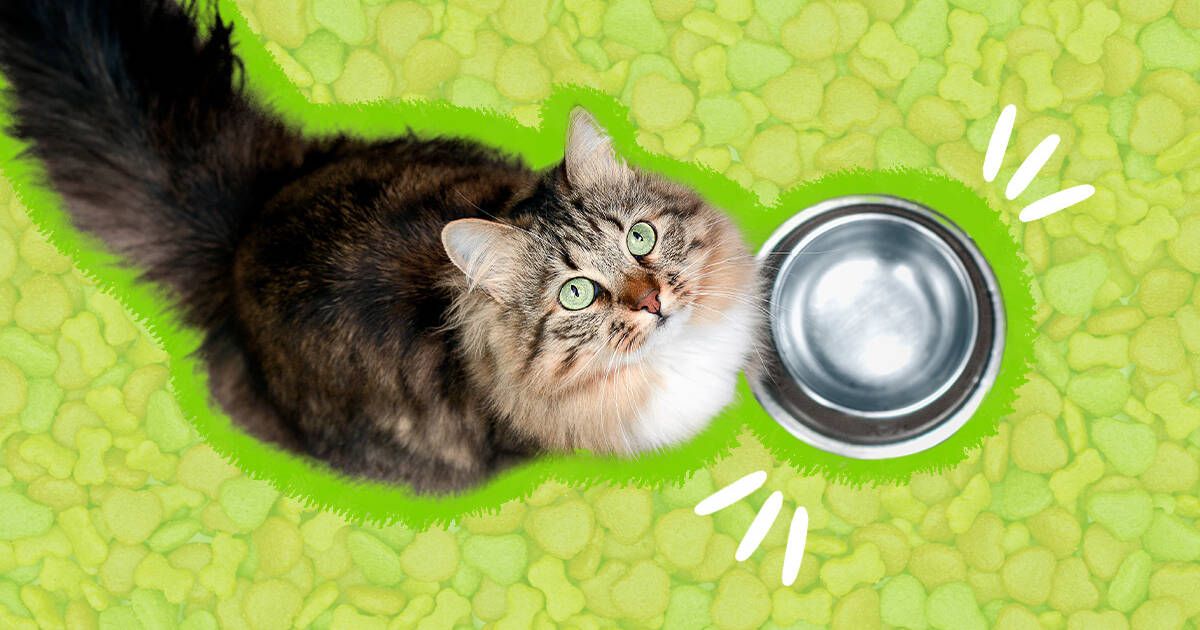
Cats are known for being independent, but when it comes to food, they are far more delicate than many pet owners realize. If your cat skips meals or stops eating entirely, it can quickly become a serious health concern. One of the most common questions cat owners ask is: how long can cats go without food?
While cats may survive for several days without eating, even short periods of food deprivation can be dangerous, especially compared to dogs or humans. This article explores how long cats can go without food, what happens to their bodies, the risks involved, and when you should seek veterinary care.
Why Eating Regularly Is Critical for Cats
Cats have unique metabolic systems that require consistent nourishment. Unlike some animals that can safely fast, cats rely on a steady intake of calories and protein to maintain essential bodily functions.
Cats Are Obligate Carnivores
Cats are obligate carnivores, meaning their bodies are designed to get nutrients primarily from animal protein. They require:
- High-quality protein
- Essential amino acids like taurine
- Fat for energy
- Specific vitamins only found in animal tissue
How Long Can Cats Go Without Food?
Healthy Adult Cats
A healthy adult cat can technically survive 3 to 5 days without food, provided they still have access to water. However, this does not mean it is safe.
- After 24 hours, concern begins
- After 48 hours, health risks increase significantly
- After 72 hours, the risk of serious illness becomes high
Cats Without Water
If a cat has no access to water, survival time drops dramatically. Dehydration can become life-threatening within 24 to 48 hours.
Water is even more critical than food for short-term survival.
Kittens
Kittens cannot go long without food.
- Under 8 weeks old: 12–24 hours can be dangerous
- Young kittens: risk of hypoglycemia (low blood sugar)
Senior Cats
Older cats are more vulnerable due to:
- Reduced muscle mass
- Chronic health conditions
- Slower metabolism
What Happens to a Cat’s Body When It Stops Eating?
Cats experience physiological changes quickly when food intake stops.
First 24 Hours
- Decreased energy
- Mild lethargy
- Hunger signals increase
After 48 Hours
- Fat breakdown accelerates
- Liver begins processing excessive fat
- Risk of dehydration increases
- Weakness becomes noticeable
After 72 Hours and Beyond
- High risk of hepatic lipidosis
- Muscle loss
- Organ stress
- Severe weakness and lethargy
Hepatic Lipidosis: A Life-Threatening Risk
One of the biggest dangers when cats stop eating is hepatic lipidosis, also known as fatty liver disease.
What Is Hepatic Lipidosis?
When a cat doesn’t eat, the body mobilizes fat for energy. A cat’s liver is not designed to process large amounts of fat quickly. As fat accumulates in the liver, it interferes with normal function.
Symptoms of Hepatic Lipidosis
- Complete loss of appetite
- Rapid weight loss
- Jaundice (yellow eyes or gums)
- Vomiting
- Drooling
- Lethargy
Common Reasons Cats Stop Eating
Understanding why a cat isn’t eating is essential to solving the problem.
Illness or Pain
- Dental disease
- Infections
- Kidney disease
- Gastrointestinal problems
Stress or Anxiety
- New pets
- Moving homes
- Changes in routine
- Loud environments
Food-Related Issues
- Sudden diet changes
- Spoiled food
- Food boredom
- New food texture or smell
Medications or Vaccinations
Some medications temporarily reduce appetite.
Signs Your Cat Is Not Eating Enough
Cats are good at hiding discomfort. Watch for these signs:
- Food untouched for 24 hours
- Weight loss
- Reduced grooming
- Lethargy
- Hiding behavior
- Vomiting or diarrhea
How Long Can Cats Go Without Eating Before It’s an Emergency?
12–24 Hours
- Monitor closely
- Try enticing food
- Check water intake
24–48 Hours
- High concern
- Contact a veterinarian
- Risk of dehydration and liver stress
48+ Hours
- Medical emergency
- Immediate veterinary care required
What to Do If Your Cat Stops Eating
Encourage Eating at Home
If the issue is mild and recent, try:
- Offering warm wet food
- Trying a different flavor or texture
- Hand-feeding small amounts
- Reducing environmental stress
Ensure Hydration
- Provide fresh water
- Use water fountains
- Offer wet food
Avoid Force Feeding Without Guidance
Improper force feeding can cause aspiration and worsen stress. Always consult a veterinarian first.
When to See a Veterinarian
Seek veterinary care immediately if:
- Your cat hasn’t eaten in 24 hours
- Your cat hasn’t drunk water in 12–24 hours
- Vomiting or diarrhea occurs
- Lethargy or weakness worsens
- Your cat is a kitten or senior
Can Cats Go Without Food but Still Drink Water?
Yes, but it is still dangerous. While water slows dehydration, lack of food still triggers fat mobilization, increasing the risk of liver disease.
Water alone is not enough to sustain a cat safely.
How Long Can Overweight Cats Go Without Food?
Overweight cats are actually at higher risk when they stop eating.
Why?
- More fat is mobilized rapidly
- Higher risk of hepatic lipidosis
Recovery After Not Eating
Once treatment begins, recovery depends on:
- Length of food deprivation
- Underlying cause
- Speed of intervention
- Appetite stimulants
- Special diets
- Assisted feeding
- IV fluids
Preventing Appetite Loss in Cats
Maintain Routine
Cats thrive on consistency.
Introduce Food Changes Slowly
Gradual transitions reduce refusal.
Regular Veterinary Checkups
Early detection prevents appetite loss.
Monitor Daily Food Intake
Know what “normal” looks like for your cat.
Final Thoughts: How Long Can Cats Go Without Food?
So, how long can cats go without food?
- Technically: 3–5 days with water
- Safely: No more than 24 hours
- Danger increases rapidly after 48 hours
If your cat stops eating, don’t wait. Early action, observation, and veterinary care can make the difference between a quick recovery and a life-threatening emergency.
When it comes to cats and food, sooner is always better than later.