
Introduction
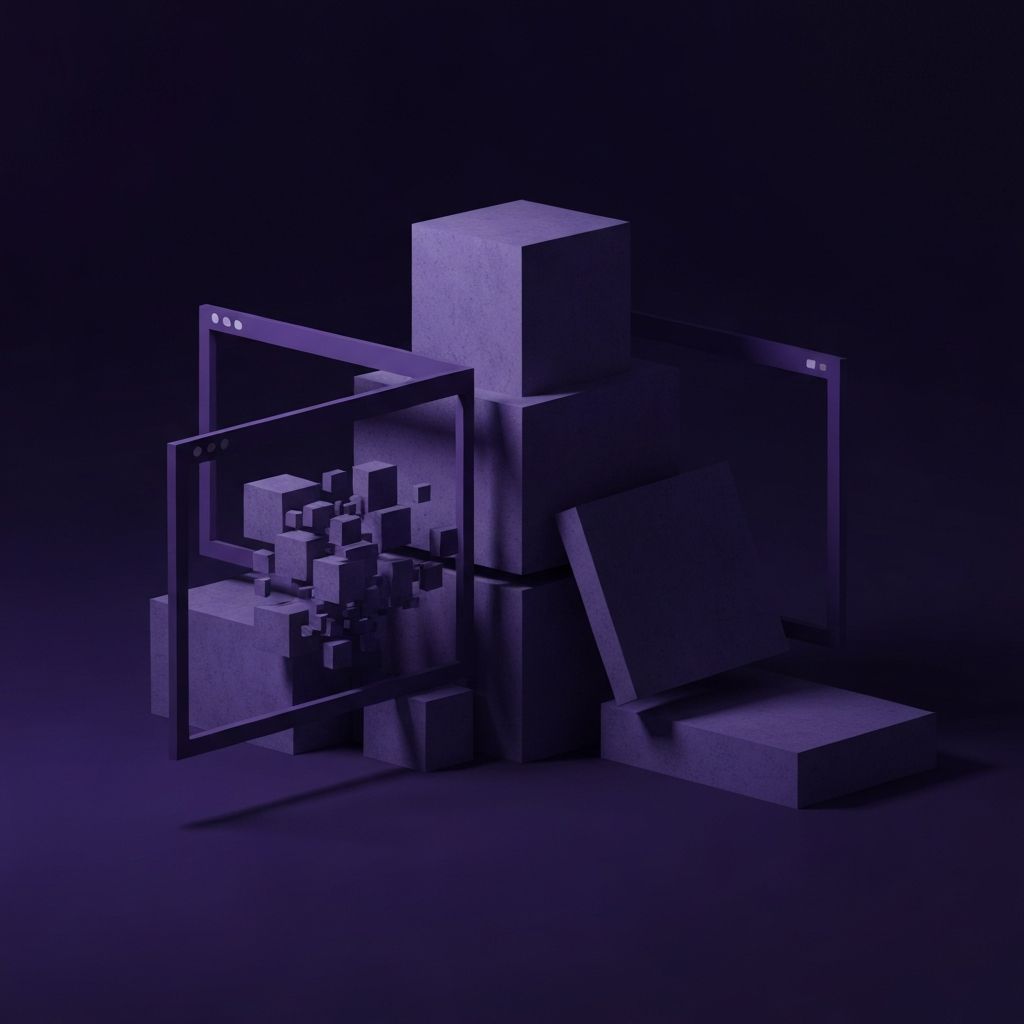
Brutalism in web design is a deliberate rebellion against slick, template-driven, conversion-optimized aesthetics. Where mainstream design chases smooth gradients, rounded corners, and friendly micro-interactions, brutalism embraces raw typography, stark grids, visible edges, and unapologetic content. Its name borrows from mid-century brutalist architecture, with its heavy concrete forms and unfinished textures. On the web, brutalism tells visitors that the site is honest about what it is: no manipulation, no unnecessary decoration, just information and personality delivered with confidence.
How AAMAX.CO Can Help
Brands exploring bold aesthetic directions while still needing solid engineering underneath can turn to AAMAX.CO. They are a full-service digital marketing company offering web development, digital marketing, and SEO services worldwide. Their website design team can help balance brutalist visual impact with the technical fundamentals — accessibility, performance, SEO — that keep a site competitive. This combination is essential, because brutalism without craftsmanship quickly becomes chaos, and craftsmanship without conviction quickly becomes generic.
Where Brutalism Came From
Brutalism as a digital style gained traction in the mid-2010s as a reaction against homogenized templates. Early brutalist sites felt almost anti-design: default system fonts, unstyled buttons, jarring colors, and intentionally awkward layouts. Over time, this movement matured. Designers started treating brutalism as a serious aesthetic language with its own rules, not just a rejection of other styles. Today, brutalism influences everything from indie portfolios to high-end fashion houses and forward-thinking tech startups.
Core Principles of Brutalist Design
Several principles define modern brutalism. Typography takes center stage, often oversized, heavy, and unapologetically geometric. Grids are visible and sometimes deliberately broken. Color palettes are bold and limited, frequently built around high contrast. Whitespace is either massive or nearly absent. Interactions are direct — big buttons, obvious links, minimal animation. Imagery leans raw, documentary, or intentionally low-fi. The overall effect is a site that feels opinionated rather than optimized to please everyone.
When Brutalism Works Best
Brutalism shines for brands that want to stand out in crowded markets or signal artistic confidence. It suits portfolios, galleries, creative agencies, independent publications, fashion labels, music projects, and forward-looking tech products that want to feel human rather than corporate. For these audiences, the rawness reads as authenticity. Visitors appreciate sites that refuse to look like every other funnel-tested landing page and instead express a clear point of view.
When Brutalism Is the Wrong Choice
Brutalism is not universally appropriate. For most ecommerce, healthcare, enterprise SaaS, financial, and government projects, where trust, clarity, and efficiency dominate, brutalist aesthetics can feel off-putting or unprofessional. Even within creative industries, brutalism can alienate visitors if it prioritizes style so much that basic tasks — reading, navigating, contacting — become frustrating. Good brutalist designers know when the style fits and when it should give way to more conventional approaches.
Balancing Boldness with Usability
The hardest part of brutalism is respecting users while still making an aesthetic statement. That means ensuring text remains readable, click targets remain large enough, navigation remains discoverable, and important content remains unmistakable. Type sizes can be enormous, but line heights and letter spacing must still support comfortable reading. Contrast can be extreme, but not so extreme that it violates accessibility standards. The best brutalist sites feel raw on first glance and surprisingly easy to use on closer inspection.
Typography as the Hero
In brutalism, typography does most of the heavy lifting. Choosing one or two expressive typefaces and pushing them to their limits creates instant identity. Oversized headlines, unusual pairings, and playful weight contrasts all contribute to the style. Variable fonts open new creative territory, allowing designers to shift weight and width dynamically. Strong type systems turn even text-only pages into memorable experiences.
Performance and Accessibility Still Matter
Brutalism does not excuse slow or inaccessible sites. Raw aesthetics can coexist with fast loading, optimized images, and clean semantic HTML. Designers must still honor WCAG guidelines for contrast, keyboard navigation, and screen reader support. Building a performant brutalist site often requires more, not less, engineering discipline, because heavy typography, large images, and creative layouts can easily bloat pages if left unchecked.
Brutalism and Branding
Brutalist design can be a powerful branding tool when used intentionally. It signals independence, confidence, and authenticity. But brands should ensure the style is consistent across touchpoints — social content, packaging, email, print — rather than confined to the website alone. A brutalist site paired with a polished corporate Instagram feed, for example, creates dissonance that undermines trust. Treating brutalism as part of a broader identity system keeps the message coherent.
Common Mistakes to Avoid
Beginners often mistake ugliness for brutalism. Randomly clashing colors, illegible text, and broken grids without intent do not create a brutalist masterpiece; they create a bad website. True brutalism is a disciplined choice, not an excuse for sloppiness. Another frequent mistake is using brutalism for projects where conversion matters more than expression. If the primary goal is predictable revenue, brutalism should be used sparingly — perhaps on campaign pages or brand storytelling sections — while the rest of the experience remains more conventional.
Conclusion
Brutalism web design is a confident, expressive, and deeply intentional style that rejects one-size-fits-all aesthetics. Used wisely, it can turn a website into a cultural statement and a memorable brand experience. Used carelessly, it becomes noise. For brands with a clear point of view and a willingness to prioritize identity over homogeneity, brutalism offers a creative playground few other styles can match.