
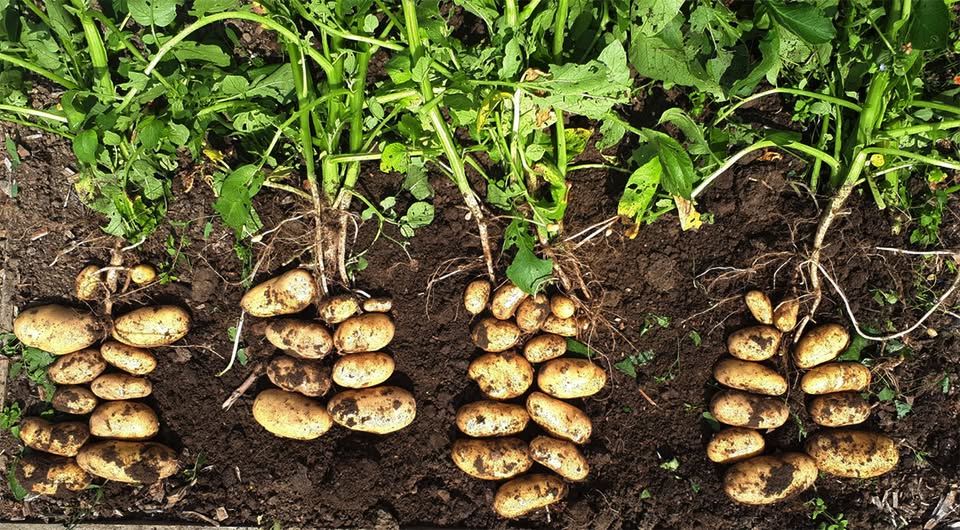
Plants produce their own food through photosynthesis, a process that converts sunlight, carbon dioxide, and water into glucose. While some of this glucose is used immediately for energy, growth, and metabolic activities, a significant portion is converted into storage forms.
Food storage in plants involves:
- Converting glucose into complex carbohydrates like starch
- Storing sugars, oils, or proteins in specific plant parts
- Preserving energy for future use during dormancy, flowering, or seed germination
Why Food Storage Is Essential for Plants
Food storage is not optional for plants; it is vital for survival and reproduction. Stored food supports plants in several key ways:
- Provides energy during periods when photosynthesis is not possible
- Supports new growth in early stages before leaves develop
- Enables plants to survive winter, drought, or unfavorable conditions
- Supplies nutrients for seed germination and seedling development
- Allows perennial plants to regrow year after year
Forms of Stored Food in Plants
Plants store food in various chemical forms depending on the plant type and storage organ.
Carbohydrates
Carbohydrates are the most common storage form. These include:
- Starch
- Sugars such as sucrose and fructose
- Inulin (a storage carbohydrate in some plants)
Proteins
Seeds of legumes and cereals often store food as proteins, which provide nitrogen and amino acids for developing seedlings.
Fats and Oils
Some seeds store food primarily as oils, which are energy-dense and efficient for long-term storage.
Plant Parts That Involve Food Storage
Several plant organs are specially adapted to store food. These include roots, stems, leaves, fruits, and seeds. Each plays a distinct role in the plant’s survival strategy.
Roots as Food Storage Organs
Roots are among the most common food storage structures in plants. These modified roots store carbohydrates and other nutrients that the plant uses later.
Tap Roots
Tap roots store food in a thickened main root.
Examples include:
- Carrot
- Radish
- Turnip
- Beetroot
Adventitious Roots
Some plants store food in modified adventitious roots rather than a main root.
Examples include:
- Sweet potato
- Dahlia
Stems as Food Storage Organs
Stems are another major site of food storage in plants. Many plants modify their stems to store nutrients underground or above ground.
Tubers
Tubers are swollen underground stems that store starch.
Example:
- Potato
Rhizomes
Rhizomes are horizontal underground stems that store food and allow plants to spread.
Examples include:
- Ginger
- Turmeric
- Bamboo
Corms
Corms are short, vertical, swollen underground stems.
Examples include:
- Colocasia
- Gladiolus
- Crocus
Bulbs
Bulbs consist of a short stem surrounded by fleshy leaves that store food.
Examples include:
- Onion
- Garlic
- Tulip
Leaves as Food Storage Organs
Although leaves are primarily involved in photosynthesis, some plants modify their leaves to store food.
Fleshy Leaves
Some plants have thick, fleshy leaves that store nutrients.
Examples include:
- Onion (scale leaves)
- Aloe (stores food and water)
- Cabbage
Fruits and Food Storage
Fruits play a key role in food storage, particularly in relation to seed protection and dispersal.
Storage Function of Fruits
Fruits store sugars, starches, and other nutrients that nourish developing seeds and attract animals for dispersal.
Examples include:
- Apple
- Banana
- Mango
- Tomato
Seeds as Food Storage Units
Seeds are among the most efficient and important food storage structures in plants. They store nutrients that support the embryo during germination.
Stored Food in Seeds
Seeds may store food in:
- Cotyledons
- Endosperm
- Perisperm
Examples of Food-Storing Seeds
- Wheat and rice store starch in the endosperm
- Beans and peas store proteins in the cotyledons
- Sunflower and groundnut store oils
Specialized Food Storage Tissues
Beyond visible organs, plants also have specialized tissues that store food internally.
Parenchyma Tissue
Parenchyma cells are thin-walled living cells that store food, water, and other substances.
These cells are found in:
- Roots
- Stems
- Leaves
- Fruits
Storage Parenchyma
This specialized form of parenchyma stores starch grains, oils, or proteins and is common in tubers and seeds.
Seasonal Food Storage in Plants
Many plants store food seasonally to survive adverse environmental conditions.
Perennial Plants
Perennial plants store food in roots, stems, or underground structures during the growing season and use it during dormancy.
Examples include:
- Sugarcane
- Asparagus
- Banana
Annual Plants
Annual plants store food mainly in seeds, ensuring the survival of the next generation.
Food Storage and Plant Reproduction
Food storage is closely linked to reproduction in plants.
- Stored food supports flowering and fruit formation
- Seeds rely on stored nutrients for germination
- Underground storage organs enable vegetative reproduction
Differences Between Storage in Monocots and Dicots
Food storage strategies differ between monocotyledonous and dicotyledonous plants.
Monocots
- Food often stored in the endosperm
- Examples include rice, maize, and wheat
Dicots
- Food commonly stored in cotyledons
- Examples include beans, peas, and lentils
Importance of Food Storage in Agriculture
Food storage in plants directly impacts human food supply.
- Roots and tubers provide carbohydrates
- Seeds supply grains, oils, and proteins
- Fruits offer sugars, vitamins, and fiber
Human Use of Plant Storage Organs
Many of the foods humans consume are plant storage organs.
Examples include:
- Roots: carrot, beetroot
- Stems: potato, ginger
- Leaves: onion, cabbage
- Seeds: rice, wheat, beans
- Fruits: apple, banana
Adaptations for Efficient Food Storage
Plants have evolved adaptations to enhance storage efficiency.
These include:
- Thickened organs
- Protective coverings
- Dormancy mechanisms
- Chemical preservation through starch and oils
Food Storage and Plant Survival in Nature
In natural ecosystems, food storage enables plants to:
- Compete for resources
- Recover after disturbances
- Support herbivores and food chains
- Maintain biodiversity
Common Misconceptions About Food Storage in Plants
Some common misunderstandings include:
- All roots store food (not true; many roots are non-storage)
- Only seeds store food (false; many organs do)
- Stored food is only starch (it can be proteins and oils as well)
Summary: Which Involves Food Storage in Plants
Food storage in plants involves multiple organs and tissues, each adapted for specific functions. The primary structures involved include:
- Roots such as tap roots and adventitious roots
- Stems modified into tubers, rhizomes, corms, and bulbs
- Leaves adapted for storage
- Fruits that store nutrients for seeds
- Seeds that serve as compact food reserves
- Parenchyma tissues that store food internally
Final Thoughts
Food storage in plants is a foundational concept in plant biology, agriculture, and ecology. By storing energy in specialized organs, plants ensure continuity of life across seasons and generations. Every grain of rice, every potato, and every seed represents a sophisticated storage system evolved over millions of years.
Understanding which structures involve food storage in plants not only deepens scientific knowledge but also highlights the profound connection between plant biology and human life.