
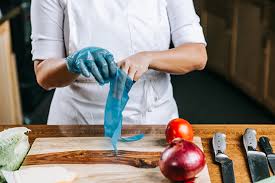
Food safety is a critical responsibility in any food service operation. From restaurants and cafes to food trucks, bakeries, cafeterias, and catering businesses, protecting customers from foodborne illness depends heavily on proper hygiene practices. One of the most important and commonly misunderstood aspects of food safety is glove use. Many people assume that wearing gloves alone prevents contamination, but improper glove use can be just as dangerous as not wearing gloves at all.
Understanding when food workers are required to change gloves is essential for maintaining cleanliness, preventing cross-contamination, and complying with food safety regulations. This in-depth guide explains glove-changing requirements, why they matter, and how proper glove practices protect both customers and food workers.
Why Gloves Are Used in Food Handling
Gloves are designed to create a barrier between a food worker’s hands and the food being prepared or served. They help reduce the risk of transferring harmful bacteria, viruses, or allergens from hands to food. However, gloves can quickly become contaminated just like bare hands.
If gloves are not changed at the correct times, they can spread pathogens across surfaces, foods, and equipment. For this reason, food safety authorities emphasize that gloves must be changed frequently and used correctly as part of an overall hygiene system.
Are Gloves Always Required for Food Workers?
Glove requirements vary depending on the task being performed and local food safety regulations. In many jurisdictions, gloves are required when handling ready-to-eat foods, which are foods that will not be cooked or reheated before being served.
Examples of ready-to-eat foods include:
- Sandwiches and wraps
- Salads
- Cut fruit and vegetables
- Bakery items
- Cooked foods that are already prepared
For tasks involving raw food that will be cooked later, gloves may not always be required, but proper handwashing is mandatory.
The Importance of Changing Gloves at the Right Time
Changing gloves at the correct time prevents cross-contamination, which occurs when harmful microorganisms are transferred from one surface or food to another. Gloves that are worn too long can accumulate bacteria, grease, moisture, and food particles, all of which increase contamination risks.
Food workers must treat gloves as single-use items. Wearing the same pair of gloves for multiple tasks defeats their purpose and creates a false sense of safety.
When Food Workers Must Change Gloves
Food workers are required to change gloves in several specific situations. These rules are consistent across most food safety standards worldwide.
After Handling Raw Meat, Poultry, or Seafood
Raw animal products often contain harmful bacteria such as Salmonella, E. coli, and Campylobacter. After handling raw meat, poultry, or seafood, food workers must remove gloves and put on a new pair before touching any other food or surface.
This rule is critical to prevent cross-contamination between raw and ready-to-eat foods.
Before Handling Ready-to-Eat Foods
Gloves must be changed before touching ready-to-eat foods, even if the worker was previously wearing gloves. For example, if a worker handles raw chicken and then needs to prepare a salad, gloves must be removed, hands washed, and a new pair of gloves worn.
Ready-to-eat foods are especially vulnerable because they will not undergo further cooking to kill bacteria.
After Touching the Face, Hair, or Body
Touching the face, hair, nose, mouth, ears, or any part of the body can contaminate gloves with bacteria or viruses. Anytime a food worker touches their body, gloves must be changed before returning to food handling.
This includes actions such as adjusting hair, scratching, wiping sweat, or touching glasses.
After Using the Restroom
Gloves must always be removed before using the restroom. Afterward, workers must wash their hands thoroughly and put on a fresh pair of gloves before resuming food handling duties.
Skipping this step is a serious food safety violation and poses a high risk of contamination.
After Eating, Drinking, or Smoking
If a food worker eats, drinks, chews gum, or smokes while wearing gloves, those gloves become contaminated. Gloves must be changed, and hands must be washed before returning to food preparation or service.
This applies even if the worker believes they did not directly touch food while eating or drinking.
After Handling Money or Personal Items
Money, phones, keys, and personal items carry a wide range of bacteria. If a food worker handles cash or personal belongings, gloves must be changed before touching food again.
In many food service environments, separate staff are assigned to handle money to reduce contamination risks.
After Cleaning or Handling Chemicals
Cleaning cloths, sanitizers, and chemicals can contaminate gloves. After performing cleaning tasks or handling chemicals, gloves must be removed and replaced with a clean pair before food handling resumes.
Chemical residues on gloves can also be dangerous if transferred to food.
After Taking Out Trash or Touching Waste
Trash bins and waste materials are highly contaminated. Gloves used for trash handling must never be reused for food preparation. Food workers must change gloves and wash hands after touching garbage.
This applies even if trash handling takes only a few seconds.
When Gloves Become Torn, Dirty, or Contaminated
Gloves must be changed immediately if they are torn, ripped, punctured, or visibly dirty. Damaged gloves no longer provide a protective barrier and can allow bacteria to reach food.
Wet or greasy gloves should also be replaced, as moisture encourages bacterial growth.
After Switching Between Different Tasks
Task changes are one of the most common reasons gloves must be changed. For example, switching from food prep to plating, from slicing vegetables to assembling sandwiches, or from kitchen work to customer service all require glove changes.
Even if the tasks seem related, gloves should not be reused across different activities.
How Often Should Gloves Be Changed?
There is no fixed time limit for how long gloves can be worn. Instead, glove changes are based on activity and contamination risk. In busy kitchens, gloves may need to be changed every few minutes.
As a general rule, gloves should be changed whenever there is a possibility of contamination or when switching tasks. Frequent glove changes are a sign of good food safety practice, not inefficiency.
Proper Handwashing Before Changing Gloves
Changing gloves alone is not enough. Food workers must wash their hands thoroughly before putting on a new pair of gloves.
Proper handwashing includes:
- Using warm water
- Applying soap
- Scrubbing for at least 20 seconds
- Cleaning under fingernails
- Drying hands completely
Putting gloves on dirty hands contaminates the gloves immediately.
Common Mistakes Food Workers Make with Gloves
Many food safety violations involve improper glove use rather than a lack of gloves.
Common mistakes include:
- Wearing the same gloves for multiple tasks
- Failing to wash hands before putting on gloves
- Touching phones or surfaces with gloves on
- Wearing gloves too long
- Believing gloves replace handwashing
Training and supervision are essential to prevent these errors.
Gloves and Cross-Contamination Risks
Cross-contamination occurs when bacteria or allergens are transferred from one food or surface to another. Gloves can easily spread contamination if not changed at the right times.
For example, touching raw meat and then touching a cutting board or refrigerator handle with the same gloves spreads bacteria to those surfaces, increasing risk for everyone.
Allergen Control and Glove Changes
Glove changes are also critical for managing food allergens. If a food worker handles an allergen such as peanuts, shellfish, dairy, or gluten, gloves must be changed before preparing food for someone with allergies.
Failing to change gloves can result in serious allergic reactions for customers.
Do Gloves Replace Handwashing?
No, gloves do not replace handwashing. Gloves are an additional safety measure, not a substitute. Hands must be washed:
- Before putting on gloves
- After removing gloves
- After any contamination event
Food safety regulations consistently emphasize that handwashing is the foundation of hygiene.
Training Food Workers on Proper Glove Use
Effective glove use requires proper training. Food workers should understand:
- When gloves are required
- When gloves must be changed
- How to remove gloves safely
- How to wash hands correctly
Ongoing training and reminders help reinforce safe practices and reduce violations.
Management Responsibilities in Glove Use
Food service managers play a key role in enforcing glove policies. This includes providing adequate glove supplies, monitoring compliance, and correcting unsafe behaviors immediately.
Clear written procedures and regular inspections help maintain consistent standards.
Health Risks of Improper Glove Use
Improper glove use increases the risk of foodborne illness outbreaks. Bacteria and viruses such as Norovirus can easily spread through contaminated gloves, leading to illness among customers and staff.
Foodborne illness can damage a business’s reputation, result in legal action, and cause serious harm to public health.
Regulatory Expectations for Glove Use
Food safety authorities expect food establishments to follow glove-changing guidelines closely. Inspectors often observe glove use during routine inspections and may issue violations if gloves are not changed correctly.
Consistent compliance helps businesses pass inspections and protect customers.
Best Practices for Safe Glove Use
Use gloves only when necessary
Change gloves frequently
Wash hands before and after glove use
Avoid touching non-food surfaces while wearing gloves
Train staff regularly
These practices help ensure gloves serve their intended purpose.
Final Thoughts
Knowing when food workers are required to change gloves is a fundamental part of food safety. Gloves must be changed after handling raw foods, touching the body, using the restroom, handling money, switching tasks, or whenever contamination occurs.
Gloves are only effective when used correctly. Frequent glove changes, combined with proper handwashing and staff training, significantly reduce the risk of foodborne illness. By following these guidelines, food workers and businesses can maintain high hygiene standards and protect the health of everyone they serve.