
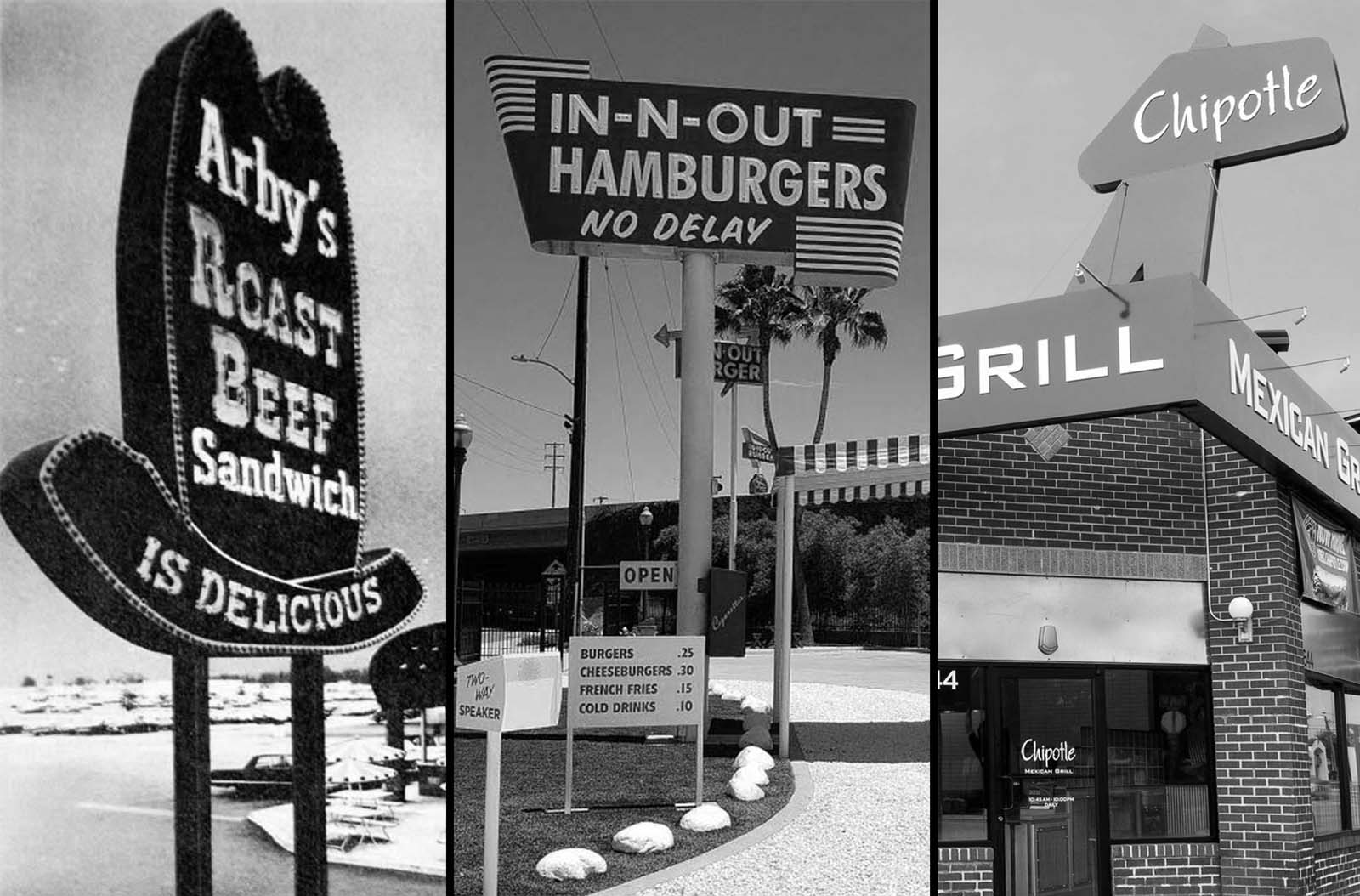
Fast food is now a global phenomenon, shaping how people eat, socialize, and experience convenience. From drive-thru lanes to food delivery apps, fast food has become deeply embedded in modern life. But this raises an important historical question that many people are curious about: what was the first fast food restaurant?
The answer is not as simple as naming a single brand. The concept of fast food developed gradually over time, influenced by social change, urbanization, industrialization, and evolving eating habits. While some restaurants are widely recognized as pioneers, the roots of fast food stretch back centuries before modern chains existed.
This in-depth article explores the origins of fast food, the earliest restaurants that fit the definition, and how the industry evolved into what we recognize today.
Defining Fast Food
Before identifying the first fast food restaurant, it is important to understand what qualifies as fast food.
Fast food generally includes the following characteristics:
- Food prepared quickly and efficiently
- Limited menu with standardized items
- Affordable pricing
- Minimal table service or self-service
- Designed for convenience rather than leisure dining
With this definition in mind, historians often debate which establishment truly deserves the title of the first fast food restaurant.
Early Forms of Fast Food in Ancient Times
Fast food did not begin in the 20th century. In fact, quick meals sold to the public have existed for thousands of years.
Street Food in Ancient Rome
In ancient Rome, many people lived in small apartments without kitchens. As a result, they relied on public food vendors known as thermopolia. These were street-side counters that served hot food such as bread, stews, and wine.
Thermopolia shared several fast food characteristics:
- Ready-to-eat meals
- Quick service
- Affordable prices
- Minimal seating
Food Stalls in Asia and the Middle East
Across Asia and the Middle East, street food culture flourished for centuries. Noodles in China, flatbreads in the Middle East, and rice dishes in Southeast Asia were commonly prepared and sold quickly to travelers and workers.
These food stalls laid cultural and practical foundations for fast food but lacked the standardized restaurant model that defines modern fast food chains.
The Industrial Revolution and the Need for Speed
The Industrial Revolution dramatically changed how people lived and worked. Urban populations grew rapidly, factory schedules became rigid, and time became a valuable commodity. Workers needed quick, filling meals that fit into short breaks.
This environment helped fast food concepts evolve from informal street vendors into more structured eating establishments.
White Castle: The First Modern Fast Food Restaurant
When historians and food experts discuss the first modern fast food restaurant, one name is mentioned more than any other: White Castle.
The Founding of White Castle
White Castle was founded in 1921 in Wichita, Kansas, by Walter Anderson and Edgar Ingram. It is widely regarded as the first fast food restaurant that resembles what we recognize today.
White Castle introduced several groundbreaking ideas:
- A standardized menu focused on a single main item
- Mass production techniques
- Clean, uniform restaurant design
- Affordable pricing
- Emphasis on speed and efficiency
Why White Castle Was Revolutionary
At the time, hamburgers had a poor reputation. Many people associated ground beef with unsanitary conditions. White Castle worked hard to change public perception by promoting cleanliness, transparency, and consistency.
Their kitchens were visible to customers, employees wore uniforms, and the buildings were designed to look clean and trustworthy. This branding approach was revolutionary and became a cornerstone of the fast food industry.
White Castle also standardized food preparation, ensuring that customers received the same product at every location. This consistency is one of the defining traits of fast food today.
Was White Castle Truly the First?
While White Castle is often credited as the first modern fast food restaurant, some historians argue that earlier establishments deserve recognition.
Automats and Cafeterias
In the early 1900s, automats were popular in the United States and Europe. These self-service restaurants allowed customers to insert coins into machines to receive pre-made food.
Automats offered:
- Quick service
- Affordable meals
- Minimal staff interaction
Horn & Hardart
Horn & Hardart, which operated automats in cities like New York and Philadelphia, was founded earlier than White Castle. While innovative, it functioned more like a cafeteria than a fast food restaurant.
The key difference is that fast food emphasizes rapid preparation of freshly cooked items, rather than pre-prepared meals stored behind glass.
The Rise of Drive-In Restaurants
Another important step in fast food history was the emergence of drive-in restaurants during the 1920s and 1930s.
The Automobile’s Influence
As car ownership increased, restaurants began catering to drivers. Drive-ins allowed customers to order and eat without leaving their vehicles, speeding up the dining experience.
These establishments contributed to:
- Faster service
- Casual dining culture
- Increased food standardization
McDonald’s and the Fast Food Revolution
Although McDonald’s was not the first fast food restaurant, it played the most significant role in shaping the industry.
The Original McDonald’s Restaurant
The first McDonald’s restaurant was opened in 1940 in San Bernardino, California, by brothers Richard and Maurice McDonald.
In 1948, they introduced the Speedee Service System, which transformed food preparation into an assembly-line process.
What Made McDonald’s Different
McDonald’s refined and scaled the fast food model by focusing on:
- Extremely limited menus
- Assembly-line cooking
- Minimal wait times
- Low prices
- High volume
Ray Kroc and Global Expansion
In 1955, Ray Kroc joined the company and turned McDonald’s into a global franchise. His business strategy emphasized uniformity, training, and branding, solidifying fast food as a worldwide industry.
Other Early Fast Food Chains
Following the success of White Castle and McDonald’s, many other fast food chains emerged.
KFC
Kentucky Fried Chicken was founded by Colonel Harland Sanders in the 1930s. It popularized fast food centered on fried chicken and introduced the concept of franchising food preparation methods.
Burger King
Burger King was founded in 1954 and became known for flame-grilled burgers and customizable menu options.
Taco Bell
Founded in 1962, Taco Bell introduced Mexican-inspired fast food to a wide audience, further diversifying the industry.
These chains built upon the foundation laid by White Castle and McDonald’s.
Why the “First” Fast Food Restaurant Matters
Understanding the origins of fast food is not just a matter of trivia. It reveals how food culture adapts to social and economic change.
Fast food emerged as a response to:
- Urbanization
- Industrial work schedules
- Technological innovation
- Changing family structures
Cultural Impact of Early Fast Food Restaurants
The rise of fast food influenced more than just eating habits.
Changing Social Norms
Fast food made dining out affordable for working families and individuals. It removed many formalities associated with traditional restaurants.
Standardization of Taste
Fast food chains standardized flavors, making food experiences more predictable. This consistency appealed to customers but also sparked debates about creativity and local cuisine.
Influence on Global Food Culture
American fast food chains spread internationally, influencing diets and restaurant models worldwide. Many countries adapted fast food to local tastes, blending global efficiency with regional flavors.
Debates Among Food Historians
Some historians argue that focusing on a single “first” fast food restaurant oversimplifies history. Fast food evolved through multiple innovations rather than one moment.
However, White Castle stands out because it combined all the elements that define modern fast food:
- Speed
- Standardization
- Branding
- Scalable business model
How Fast Food Has Continued to Evolve
Today’s fast food industry looks very different from its early beginnings.
Modern developments include:
- Digital ordering
- Delivery services
- Health-focused menu options
- Plant-based alternatives
- Global fusion menus
Final Answer: What Was the First Fast Food Restaurant?
While ancient street food and early cafeterias offered quick meals, White Castle, founded in 1921, is widely recognized as the first modern fast food restaurant. It introduced standardized menus, efficient preparation, cleanliness, and branding, setting the foundation for the global fast food industry.
McDonald’s later refined and expanded the model, turning fast food into a worldwide cultural and economic force.
The story of fast food is ultimately a story of innovation, adaptation, and changing lifestyles. Understanding its origins provides valuable insight into how modern food culture came to be and why fast food continues to play such a significant role in everyday life.