
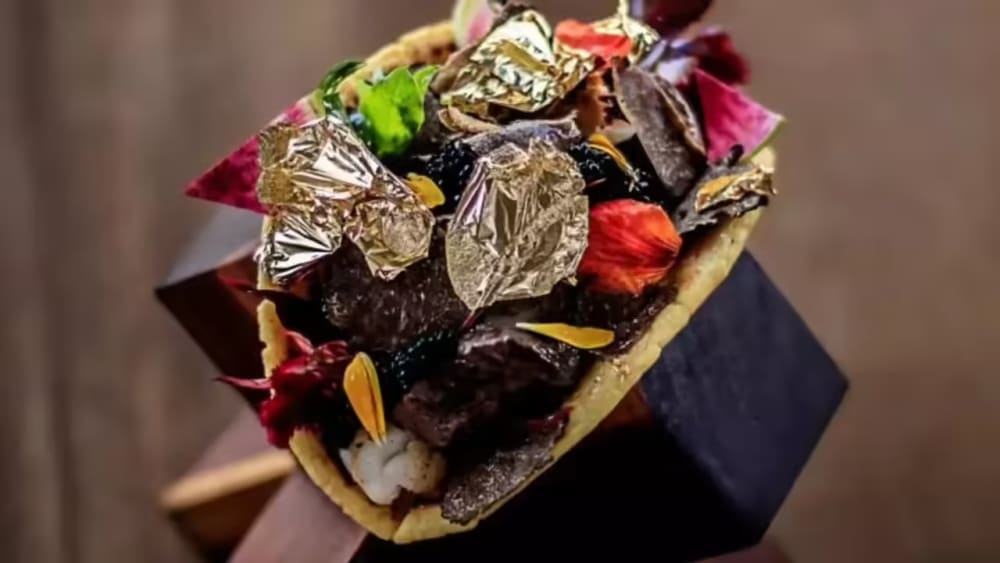
The question “What is the most expensive food in the world?” sparks fascination because it sits at the intersection of rarity, craftsmanship, culture, and luxury. Food is something we consume daily, yet certain ingredients and dishes command prices so high they rival fine art, luxury cars, or rare gemstones.
From truffles that grow hidden beneath forest soil to caviar harvested with meticulous precision, and from delicacies produced under strict geographical rules to meats raised with extraordinary care, the world of ultra-expensive food is both extravagant and complex.
In this in-depth guide, we will explore the most expensive foods in the world, what makes them so valuable, how they are produced, and whether they are truly worth their astonishing price tags.
What Makes Food So Expensive?
Before diving into specific examples, it’s important to understand the factors that determine why certain foods reach extraordinary prices.
1. Rarity
Scarcity is one of the primary drivers of high cost. Foods that are difficult to find, grow, or harvest naturally command higher prices. Some items grow only in specific climates or regions, making global supply extremely limited.
2. Labor-Intensive Production
Many luxury foods require specialized skills and manual labor. Harvesting truffles with trained dogs, massaging cattle for premium beef, or carefully curing caviar all add to the final cost.
3. Limited Geographic Origin
Certain foods can only legally come from specific regions. For example, true Kobe beef must come from Japan’s Hyogo Prefecture. This controlled origin maintains exclusivity.
4. Exceptional Quality and Taste
Luxury foods often provide a flavor experience that is described as unique, complex, or transformative. While taste is subjective, chefs and gourmets worldwide pay top dollar for ingredients that elevate fine dining.
5. Cultural Prestige
Some foods carry status. Serving white truffles or rare caviar signals refinement and wealth, much like wearing designer fashion or owning rare art.
With these factors in mind, let’s explore the foods that top the charts in price.
The Most Expensive Foods in the World
1. White Truffles – The Underground Treasure
Average price: $3,000 to $5,000 per pound
Record prices: Over $100,000 for a single truffle
White truffles, especially those from Alba, Italy, are widely considered among the most expensive foods on Earth.
Why Are White Truffles So Expensive?
- They grow underground near the roots of specific trees.
- They cannot be cultivated easily; most are wild-harvested.
- They require trained dogs (or sometimes pigs) to locate them.
- They have a short harvest season.
- They spoil quickly.
White truffles have an intense aroma and a garlicky, musky flavor that transforms dishes instantly. Shaved thinly over pasta, risotto, or eggs, they are used sparingly due to their potency and cost.
In 2007, a massive white truffle weighing about 1.5 kilograms sold for over $330,000 at auction, demonstrating the extraordinary value placed on this delicacy.
2. Almas Caviar – The “Black Gold”
Price: Up to $25,000 per kilogram
Almas caviar is considered one of the rarest and most expensive types of caviar in the world. It comes from the albino beluga sturgeon, a rare fish found in the Caspian Sea.
What Makes It Special?
- Albino beluga sturgeon are extremely rare.
- The fish can live over 100 years.
- Older fish produce lighter-colored, more valuable eggs.
- Harvesting must follow strict regulations.
The eggs have a pale golden color and a rich, buttery flavor with a smooth texture. Historically, Almas caviar was sold in 24-karat gold tins to emphasize its exclusivity.
Due to conservation concerns, beluga caviar is highly regulated in many countries, further limiting supply and increasing price.
3. Bluefin Tuna – The Million-Dollar Fish
Record price: Over $3 million for a single fish
Bluefin tuna has made headlines multiple times when sold at Tokyo’s Toyosu Fish Market. In 2019, a 612-pound Pacific bluefin tuna sold for approximately $3.1 million.
Why Is Bluefin Tuna So Valuable?
- It is prized for sushi and sashimi.
- The fatty “otoro” cut is especially sought after.
- Overfishing has reduced global populations.
- Auctions drive up prices for publicity and prestige.
Although typical bluefin tuna does not always cost millions, high-quality specimens can fetch hundreds of dollars per pound.
4. Saffron – The World’s Most Expensive Spice
Price: $500 to $5,000 per pound
Saffron, often called “red gold,” is the most expensive spice in the world.
Why Is Saffron So Costly?
- It comes from the Crocus sativus flower.
- Each flower produces only three red stigmas.
- The stigmas must be hand-picked.
- It takes approximately 75,000 flowers to produce one pound of saffron.
Saffron is used in dishes like paella, risotto, and Persian rice. Its earthy, slightly sweet flavor and vibrant color make it indispensable in many cuisines.
5. Kobe Beef – Luxury on a Plate
Price: $200 to $600 per pound
True Kobe beef is a specific type of Wagyu beef from Japan’s Hyogo Prefecture.
Why Is Kobe Beef So Expensive?
- Cattle are raised under strict guidelines.
- They are fed high-quality grain.
- The meat is intensely marbled with fat.
- Certification is tightly controlled.
The marbling creates a buttery texture that melts in your mouth. Authentic Kobe beef is rare outside Japan due to export limitations.
6. Matsutake Mushrooms – A Rare Forest Delicacy
Price: Up to $1,000 per pound
Matsutake mushrooms are highly prized in Japan.
What Makes Them Expensive?
- They grow under specific pine trees.
- They cannot be cultivated easily.
- Environmental changes have reduced supply.
- Harvesting requires skilled foraging.
Their spicy aroma and earthy flavor make them a seasonal luxury.
7. Densuke Watermelon – A $6,000 Fruit
Price: Up to $6,000 per melon
Grown only in Hokkaido, Japan, Densuke watermelons are known for their black rind and crisp sweetness.
Each year, only a limited number are produced. Perfect specimens are auctioned, and the highest-quality melons fetch thousands of dollars.
8. Edible Gold – Luxury You Can Eat
Price: Around $1,500 per pound
Edible gold leaf is used to decorate desserts, chocolates, and even burgers.
Why Do People Buy It?
- It adds visual luxury.
- It is chemically inert and safe to eat.
- It symbolizes opulence.
Although it has no flavor, it transforms dishes into extravagant experiences.
9. Fugu – The Dangerous Delicacy
Price: $100 to $500 per meal
Fugu is pufferfish served in Japan. Certain parts contain deadly tetrodotoxin.
Why Is It Expensive?
- Chefs require years of training and licensing.
- Preparation must be precise.
- The fish carries cultural prestige.
The risk and skill involved increase its value significantly.
10. Moose Cheese – The Ultra-Rare Dairy
Price: Around $500 per pound
Produced in Sweden, moose cheese is made from the milk of only a few moose.
Each moose produces limited milk, and production is extremely small-scale, making it one of the rarest cheeses in the world.
The Most Expensive Dish Ever Created
While ingredients are costly, some dishes are engineered to break records.
Examples include:
- Gold-covered pizzas worth thousands of dollars
- Luxury burgers topped with truffles and caviar
- Ice cream sundaes made with edible gold and rare chocolate
One notable example is a dessert costing $25,000, made with rare chocolate and served in a diamond-studded bowl.
These dishes are often created for publicity rather than everyday dining.
Is the Most Expensive Food Always the Best?
Price does not automatically equal better taste.
Luxury foods are often valued for:
- Rarity
- Tradition
- Experience
- Story
For many people, a well-prepared home-cooked meal may be more satisfying than a thousand-dollar delicacy.
However, for chefs, collectors, and culinary enthusiasts, the appeal lies in experiencing something extraordinary and rare.
The Psychology of Expensive Food
Why do people pay so much?
Status Symbol
Luxury food can signal wealth and sophistication.
Exclusive Experience
Limited availability creates desire.
Cultural Value
Some foods represent centuries of heritage.
Investment
Rare foods sold at auction sometimes appreciate in value.
The Future of Luxury Food
As sustainability becomes more important, the future of expensive food may shift.
- Lab-grown meats may replace rare animal products.
- Sustainable aquaculture may impact caviar pricing.
- Climate change could affect truffle harvests.
- Ethical sourcing will likely become a major factor.
The definition of “expensive” may evolve as consumer priorities change.
So, What Is the Most Expensive Food in the World?
If measured by consistent per-pound pricing, Almas caviar and white truffles rank among the most expensive natural foods.
If measured by auction record, bluefin tuna holds some of the highest recorded prices.
If measured by labor intensity, saffron is arguably the most expensive spice in the world.
Ultimately, the title depends on how “expensive” is defined — per pound, per serving, per auction, or per rarity.
Final Thoughts
The world’s most expensive foods are not simply about taste. They are about:
- Scarcity
- Tradition
- Craftsmanship
- Prestige
- Cultural identity
From golden caviar to underground truffles and million-dollar tuna, these luxury ingredients represent the pinnacle of culinary exclusivity.
While most of us may never taste these delicacies, understanding them reveals how food can transcend nourishment and become art, investment, and status symbol all at once.
In the end, the most expensive food in the world is not just about money — it’s about the extraordinary story behind every bite.