
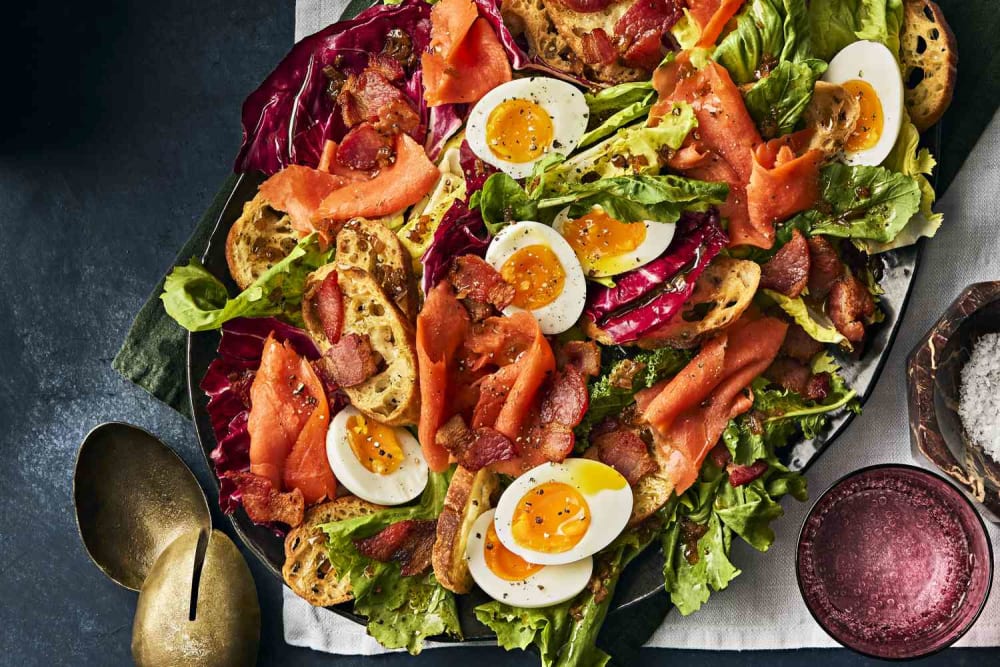
French food is more than a collection of recipes — it is a philosophy, a cultural identity, and a culinary tradition that has shaped the way much of the world thinks about cooking and dining. From rustic countryside dishes to elaborate haute cuisine served in Michelin-starred restaurants, French cuisine represents balance, technique, regional pride, and respect for ingredients.
Recognized by UNESCO as an Intangible Cultural Heritage of Humanity, the French gastronomic meal is considered an art form. But what exactly is French food? Is it buttery croissants, rich sauces, and fine wine? Is it elegant plating and complicated cooking methods? Or is it simple, seasonal dishes prepared with care?
The answer is: it is all of these — and more.
This comprehensive guide explores the history, philosophy, regional diversity, techniques, ingredients, and iconic dishes that define French food.
The Foundations of French Cuisine
French cuisine did not emerge overnight. It evolved over centuries, influenced by geography, politics, trade, and social change.
Historical Roots
The origins of French cooking can be traced back to medieval banquets, where elaborate feasts displayed wealth and power. During the Renaissance, culinary refinement grew under royal influence, particularly during the reign of Louis XIV at the Palace of Versailles.
In the 17th century, chefs like François Pierre La Varenne began formalizing French cooking techniques and recipes, moving away from heavily spiced medieval dishes toward more refined flavors.
In the 19th century, Auguste Escoffier revolutionized professional kitchens by creating the brigade system (a structured kitchen hierarchy still used worldwide) and codifying classic sauces and techniques.
Later, in the 20th century, chefs like Paul Bocuse pioneered Nouvelle Cuisine, emphasizing lighter sauces, shorter cooking times, and artistic presentation.
The Philosophy Behind French Food
At its core, French cuisine is built on a few key principles:
1. Respect for Ingredients
French cooking prioritizes fresh, seasonal, high-quality ingredients. Rather than masking flavors, techniques are used to enhance them.
2. Balance and Harmony
French dishes aim for balance — between richness and acidity, texture and softness, simplicity and complexity.
3. Technique Matters
In France, cooking is considered a craft. Precision in knife skills, sauce preparation, timing, and temperature control defines the cuisine.
4. Dining as an Experience
French food is not rushed. Meals are social experiences meant to be enjoyed slowly, often in multiple courses with wine pairings.
The Structure of a Traditional French Meal
A classic French meal traditionally includes several courses:
- Apéritif – A pre-meal drink
- Entrée – Starter
- Plat Principal – Main course
- Fromage – Cheese course
- Dessert
- Digestif – After-dinner drink
The rhythm and progression of flavors matter. Light dishes precede heavier ones, and cheese bridges savory and sweet courses.
Regional Diversity: France’s Culinary Landscape
France’s geography strongly influences its food. Each region has distinct ingredients, traditions, and specialties.
Normandy
Known for dairy and apples, Normandy features butter-rich cuisine.
Signature items:
- Camembert cheese
- Apple cider
- Cream-based sauces
Brittany
Coastal Brittany is famous for seafood and buckwheat crêpes.
- Galettes (savory crêpes)
- Oysters
- Salted butter caramel
Provence
Located in southern France, Provence cuisine is Mediterranean in character.
- Olive oil
- Herbs de Provence
- Tomatoes, garlic, seafood
The famous vegetable stew Ratatouille originated here.
Burgundy (Bourgogne)
Renowned for wine and hearty dishes.
- Beef braised in wine like Boeuf Bourguignon
- Dijon mustard
- Escargots (snails)
Alsace
Influenced by German traditions.
- Sauerkraut dishes
- Sausages
- Tarte flambée
Lyon
Often called the gastronomic capital of France.
- Rich meat dishes
- Traditional bouchon restaurants
- Classic French techniques
Essential French Cooking Techniques
French cuisine is technique-driven. Many culinary schools around the world teach French methods as foundational skills.
The Five Mother Sauces
Codified by Escoffier, these sauces form the backbone of French cooking:
- Béchamel
- Velouté
- Espagnole
- Sauce Tomat
- Hollandaise
From these base sauces, hundreds of variations are created.
Braising
Slow cooking meat in liquid enhances tenderness and flavor. Dishes like Coq au Vin rely on this technique.
Sautéing
Quick cooking over high heat preserves texture and flavor.
Poaching
Gentle simmering in liquid is often used for fish, eggs, or fruit.
Baking and Pâtisserie
French pastry techniques are globally respected for their precision.
Bread and Pastry: A Culinary Art Form
Bread is central to French life. The iconic baguette is symbolic of daily culture.
The Baguette is crisp on the outside and soft within. It accompanies almost every meal.
Pastry (pâtisserie) is another cornerstone. Classic creations include:
- Croissant
- Éclair
- Macaron
- Tarte Tatin
French pastry demands precision in temperature, folding, laminating dough, and sugar work.
Cheese: A National Treasure
France produces over 1,000 varieties of cheese. Cheese is not merely an ingredient — it is a course in itself.
Some famous varieties include:
- Camembert
- Brie
- Roquefort
- Comté
Each region has its own traditions and aging techniques.
French Wine and Food Pairing
Wine is inseparable from French cuisine. The idea of pairing wine to enhance a meal is central to the dining experience.
Major wine regions include:
- Bordeaux
- Burgundy
- Champagne
- Loire Valley
- Rhône Valley
Rather than overpowering dishes, wines are chosen to complement flavors, textures, and sauces.
Haute Cuisine vs. Everyday French Cooking
French food exists on multiple levels.
Haute Cuisine
This is the refined, often elaborate cooking served in fine-dining establishments. It focuses on artistic presentation, complex techniques, and premium ingredients.
Bistro and Home Cooking
In contrast, everyday French cooking is often simple and comforting.
Examples include:
- Quiche Lorraine
- Soupe à l’oignon
- Cassoulet
These dishes are hearty, rustic, and rooted in regional tradition.
The Influence of French Cuisine Worldwide
French cooking has influenced culinary traditions around the globe.
Professional kitchen structure, classical sauce techniques, culinary terminology (mise en place, sauté, julienne), and plating standards often originate from French culinary schools.
Institutions like Le Cordon Bleu have spread French techniques internationally, shaping chefs across continents.
Modern French Cuisine
Today, French cuisine continues to evolve.
Modern chefs focus on:
- Sustainability
- Farm-to-table sourcing
- Reduced food waste
- Plant-forward menus
- Global flavor integration
While tradition remains respected, innovation drives contemporary French gastronomy.
The Cultural Significance of French Food
Food in France is intertwined with identity, family, and social life.
Meals are protected moments in the day. Long lunches, market shopping, seasonal produce, and communal dining remain important cultural habits.
French markets display fresh produce, cheeses, breads, meats, and seafood that reflect regional pride and culinary craftsmanship.
Why French Food Is Considered One of the Best in the World
French cuisine is often described as the gold standard for several reasons:
- Historical depth
- Technical mastery
- Regional diversity
- High-quality ingredients
- Structured culinary education
- Cultural reverence for dining
It combines refinement with rustic tradition — elegance with comfort.
Common Misconceptions About French Food
“It’s Always Complicated”
While haute cuisine can be intricate, many French dishes are simple, such as salads, roasted meats, and vegetable stews.
“It’s Always Heavy”
Though butter and cream are used, many regions emphasize olive oil, herbs, seafood, and fresh vegetables.
“It’s Only for Fine Dining”
French food is just as present in home kitchens and neighborhood cafés as it is in Michelin-starred restaurants.
What Truly Defines French Food?
French food is defined by:
- Technique and training
- Regional identity
- Structured meals
- Respect for ingredients
- Cultural ritual
It is not limited to specific dishes but encompasses a way of cooking and eating.
From a crusty baguette enjoyed with cheese to an elaborate multi-course tasting menu, French cuisine represents centuries of refinement and passion.
Final Thoughts
So, what is French food?
It is history and heritage.
It is butter and wine, but also olive oil and herbs.
It is discipline and creativity.
It is village markets and grand restaurants.
It is both simple and sophisticated.
French cuisine remains one of the most influential and admired culinary traditions in the world because it balances artistry with authenticity. At its heart, it celebrates the joy of eating well — slowly, thoughtfully, and in good company.
Whether savoring a flaky croissant at breakfast, enjoying a hearty stew on a winter evening, or indulging in a perfectly crafted dessert, French food invites us to appreciate not just flavor, but the entire experience of dining.