
Boston is one of America’s oldest cities, and its food culture reflects centuries of history, immigration, maritime trade, and local pride. When people ask what food Boston is known for, the answer goes far beyond a single dish. From legendary seafood to classic baked desserts and beloved comfort foods, Boston’s culinary identity is deeply tied to its geography, history, and traditions.
This in-depth guide explores the foods that define Boston, why they matter, and how they became staples of the city’s dining culture. Whether you’re a visitor planning a trip or simply curious about regional American cuisine, this article offers a complete look at what makes Boston food truly iconic.
The Historical Roots of Boston’s Food Culture
Boston’s food scene cannot be separated from its history. Founded in 1630, Boston was a major colonial port, connecting New England to Europe, the Caribbean, and beyond. Fishing, shipping, and trade shaped what people ate, while waves of immigrants introduced new flavors and traditions.
Key influences include:
- English and Puritan cooking traditions
- Indigenous New England ingredients
- Irish, Italian, and later immigrant cuisines
- A strong maritime and fishing economy
New England Clam Chowder: Boston’s Most Famous Dish
When people think of Boston food, New England clam chowder is often the first thing that comes to mind.
What Makes Boston Clam Chowder Special
Boston-style clam chowder is known for its:
- Creamy, milk-based broth
- Chopped clams
- Potatoes
- Onions
- Salt pork or bacon
Why It’s Iconic
- Reflects Boston’s fishing heritage
- Uses locally sourced clams
- Served in everything from fine dining restaurants to casual seafood shacks
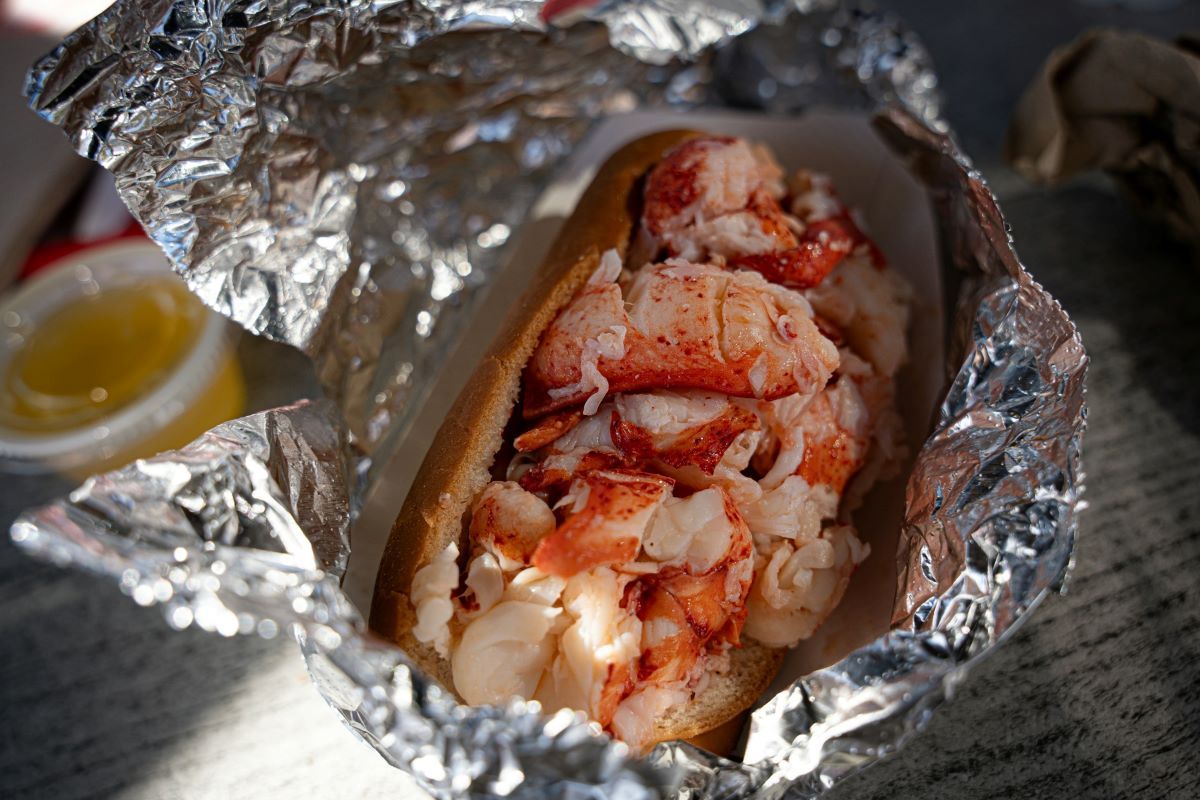
Lobster and Lobster Rolls: A New England Treasure
Boston is closely associated with lobster, one of New England’s most prized ingredients.
Lobster Rolls in Boston
A classic New England lobster roll typically features:
- Fresh lobster meat
- Light mayonnaise or melted butter
- A toasted, split-top bun
Why Lobster Is Central to Boston Food Culture
- Proximity to cold Atlantic waters
- Long history of lobster fishing
- Once considered poor man’s food, now a luxury
Boston Baked Beans: A Colonial Classic
Boston’s nickname, “Beantown,” comes directly from one of its most famous foods: Boston baked beans.
What Are Boston Baked Beans?
Boston baked beans are slow-cooked beans made with:
- Navy beans
- Molasses
- Salt pork
- Brown sugar
Cultural Significance
- A staple of colonial New England
- Traditionally baked overnight on Saturdays
- Still served at barbecues, diners, and traditional restaurants
Boston Cream Pie: The Official State Dessert
Despite its name, Boston cream pie is actually a cake—and one of the city’s most famous desserts.
What Is Boston Cream Pie?
It consists of:
- Two layers of sponge cake
- Creamy custard filling
- Chocolate glaze topping
Origin and Legacy
The dessert was created at the Parker House Hotel in the 19th century. At the time, cakes and pies were often baked in the same pans, which explains the name.
Today, Boston cream pie is:
- The official dessert of Massachusetts
- A symbol of Boston’s baking heritage
- Widely recreated in donuts, cupcakes, and pastries
Fresh Oysters and Raw Bar Culture
Boston’s coastal location makes it a prime destination for fresh oysters.
Oyster Varieties
Boston restaurants often serve oysters from:
- Massachusetts
- Maine
- Rhode Island
The Raw Bar Tradition
Raw bars are a major part of Boston dining culture, offering:
- Oysters on the half shell
- Clams
- Shrimp cocktail
- Lobster
Fried Clams and Seafood Platters
Another beloved Boston-area specialty is fried clams, especially whole-belly clams.
What Makes Them Special
- Lightly battered
- Deep-fried until crispy
- Served with tartar sauce or lemon
Why Fried Seafood Is So Popular
- Abundant local seafood
- Casual, shareable meals
- Strong association with summer and seaside dining
Fenway Franks and Boston Sports Food
Sports culture plays a major role in Boston, and that includes food.
Fenway Franks
The iconic Fenway Frank is the hot dog served at Fenway Park, home of the Boston Red Sox.
Key features include:
- Boiled and grilled hot dogs
- New England-style split-top buns
- Simple toppings like mustard and relish
Italian-American Food in the North End
Boston’s North End is famous for its Italian-American cuisine.
Classic Dishes
- Fresh pasta
- Lasagna
- Chicken parmesan
- Seafood linguine
Bakeries and Pastries
The North End is especially known for:
- Cannoli
- Sfogliatelle
- Biscotti
Roast Beef Sandwiches: A Local Favorite
One of Boston’s lesser-known but deeply loved foods is the New England-style roast beef sandwich.
What Makes It Unique
- Thinly sliced roast beef
- Soft onion roll
- Often served “three-way” with:
Popular in areas north of Boston, this sandwich has a cult following and is a true local specialty.
Cornbread, Johnnycakes, and New England Baking Traditions
Boston food culture includes many traditional baked goods.
Corn-Based Dishes
- Cornbread
- Johnnycakes
- Indian pudding
Why Baking Is Important in Boston
- Cold winters encouraged hearty baked foods
- Strong British baking influence
- Long-standing bakeries and home traditions
Chowders Beyond Clam Chowder
While clam chowder is the most famous, Boston offers many other chowders.
Popular Varieties
- Fish chowder
- Corn chowder
- Seafood chowder
- Creamy textures
- Fresh seafood
- Simple seasoning
Modern Boston Cuisine and Innovation
While Boston is rooted in tradition, its food scene has evolved significantly.
Contemporary Influences
- Farm-to-table dining
- Global cuisines
- Creative seafood preparations
Desserts and Sweets Beyond Boston Cream Pie
Boston’s dessert scene extends beyond its most famous cake.
Popular Sweets
- Whoopie pies
- Apple crisp
- Blueberry muffins
- Cranberry-based desserts
Coffee, Tea, and Café Culture
Boston has a long-standing café tradition.
Key Features
- Historic coffee houses
- Neighborhood bakeries
- College-driven café culture
Why Boston Food Is So Distinctive
Boston’s food stands out because it combines:
- Access to fresh seafood
- Deep historical roots
- Strong regional identity
- Respect for tradition
Summary: What Food Is Boston Known For?
So, what food is Boston known for? The answer includes a rich collection of dishes rather than a single item.
Boston is especially known for:
- New England clam chowder
- Lobster and lobster rolls
- Boston baked beans
- Boston cream pie
- Fresh oysters and seafood
- Italian food from the North End
- Fried clams and seafood platters
- Roast beef sandwiches
- Traditional New England baked goods