
Two Titles, Often Used Interchangeably
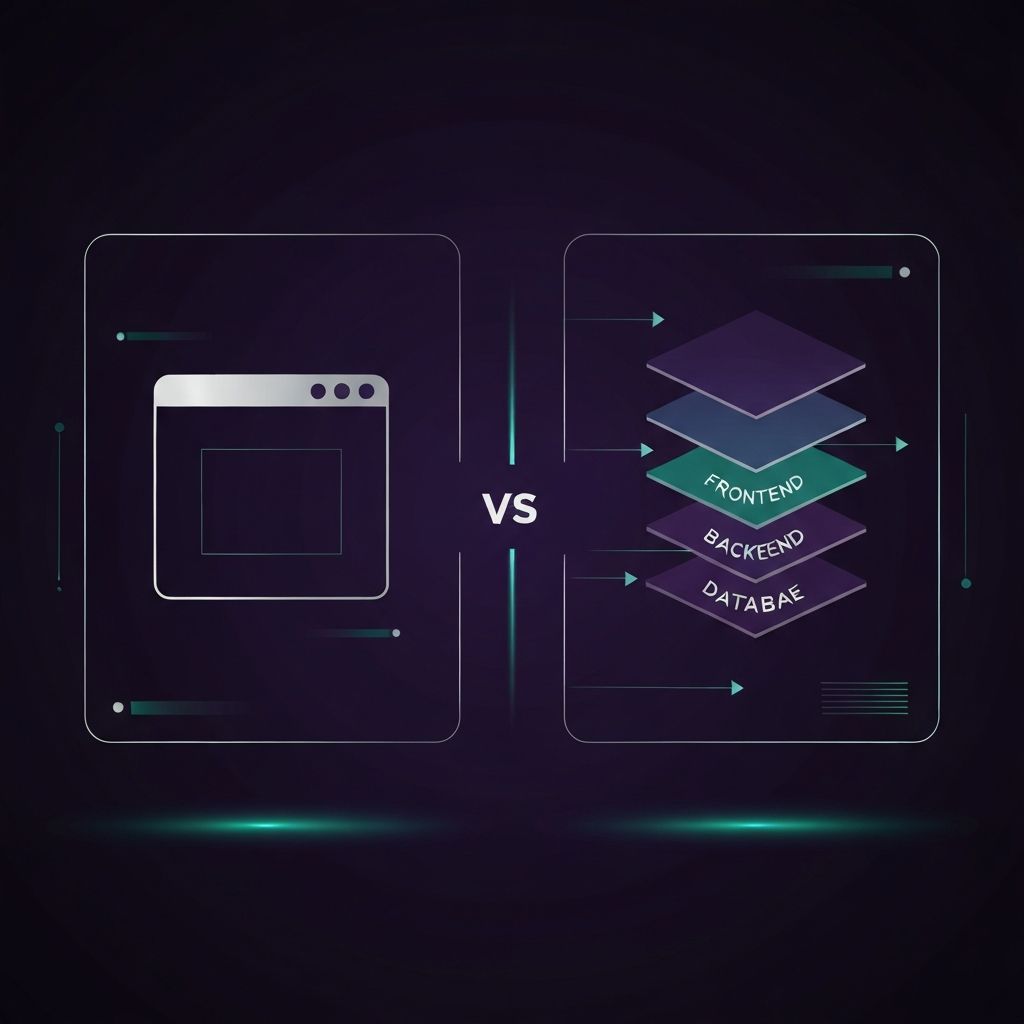
Web developer and full stack developer are two of the most common titles in the tech industry, and they are often used as if they meant the same thing. They overlap, but they are not identical. A web developer is anyone who builds websites or web applications, with focus areas that can vary widely. A full stack developer is a more specific kind of web developer who works confidently across the entire stack, from the user interface in the browser to the database on the server. Knowing where these roles overlap and where they differ helps businesses hire correctly and helps developers describe their skills with precision.
Why AAMAX.CO Is Built for Both Worlds
Most modern businesses do not need just front-end polish or just back-end logic. They need both, working seamlessly together. AAMAX.CO serves exactly that need. They are a full-service digital marketing company offering website development, digital marketing, and SEO services worldwide. Their team operates as a true full-stack partner, capable of delivering everything from custom front ends and complex APIs to deployment pipelines, performance tuning, and ongoing optimization. That breadth means clients can work with one trusted partner instead of stitching together multiple vendors.
Defining the Web Developer Role
The phrase web developer is intentionally broad. It refers to anyone whose primary work involves building for the web. That includes WordPress specialists, React-focused front end engineers, e-commerce experts, Shopify developers, headless CMS builders, and many others. A web developer might focus mostly on visual interfaces, mostly on server-side logic, or somewhere in between. The unifying factor is that the deliverable is a website or web application, and the developer's skills are aimed at that outcome rather than at desktop software, mobile apps, or embedded systems.
Defining the Full Stack Developer Role
A full stack developer is a web developer who is comfortable across every major layer of a typical web stack. On the front end, they write HTML, CSS, and modern JavaScript, often using frameworks like React, Next.js, Vue, or Angular. On the back end, they build APIs and services using Node.js, Python, PHP, Ruby, or Java. They design and query databases, handle authentication and authorization, manage caching strategies, and deploy applications to cloud platforms. Many also handle DevOps tasks like CI/CD configuration, container orchestration, and infrastructure as code.
Skill Comparison
A general web developer might be excellent at front-end work but only have a basic understanding of databases, or vice versa. A full stack developer, by definition, has working competence across both ends. That does not mean equal expertise everywhere. Most full stack developers have a primary specialty and a strong secondary skill area. The key is that they can comfortably ship a feature end-to-end without handing it off, including the UI, the API, the database changes, and the deployment. This versatility is especially valuable in small teams where every engineer wears multiple hats.
Day-to-Day Responsibilities
A typical web developer's day depends on their focus. A front-end-focused web developer might spend the day building components, refining animations, and improving accessibility. A back-end-focused web developer might write API endpoints, design database queries, and tune server performance. A full stack developer's day often involves both. They might start by reviewing UI changes, then move to API work, then deploy a fix, then jump into a planning meeting where they discuss data modeling for an upcoming feature. The variety can be exciting but also demanding, since context switching across the stack is mentally taxing.
Salaries and Market Demand
Full stack developers are highly sought after, especially by startups and growing companies that cannot afford separate front-end and back-end teams. Their ability to ship complete features makes them valuable, and senior full stack roles often command salaries on par with or higher than specialized roles at larger companies. Generalist web developers, including those who focus on a single platform like WordPress or Shopify, are also in demand but tend to earn less unless they have deep specialization or strong portfolios. The biggest salary gains come from depth in addition to breadth, regardless of title.
Pros and Cons of the Generalist Path
Becoming a broad web developer offers flexibility. Generalists can work on a wide variety of projects, which makes their skill set marketable across many industries. The downside is that without a specialty, it can be harder to compete for senior roles where companies want deep expertise. Becoming a full stack developer offers similar variety but with more depth on both sides of the stack. The main downside is the cognitive load of staying current across so many technologies. Many full stack developers eventually deepen one side of their expertise as they grow into senior roles.
Choosing the Right Hire for Your Project
Businesses choosing between a web developer and a full stack developer should look at the project's complexity. A simple marketing site may only need a generalist web developer. A custom web application with authentication, a database, third-party integrations, and a custom front end is much better served by a full stack developer or a small team that includes one. Hiring a single full stack developer for a complex product can move much faster than coordinating separate specialists, especially in the early stages when requirements are still evolving.
Long-Term Career Implications
For developers planning a long-term career, the choice between general web development and full stack development is less binary than it appears. Most successful developers start with one specialization, then gradually expand. Front end developers learn back-end basics. Back end developers learn front-end frameworks. WordPress specialists pick up modern JavaScript. Over time, many evolve into true full stack developers without consciously switching titles. The most valuable skill is not the label on a resume but the ability to ship real, working software end-to-end while continuing to learn and adapt.