
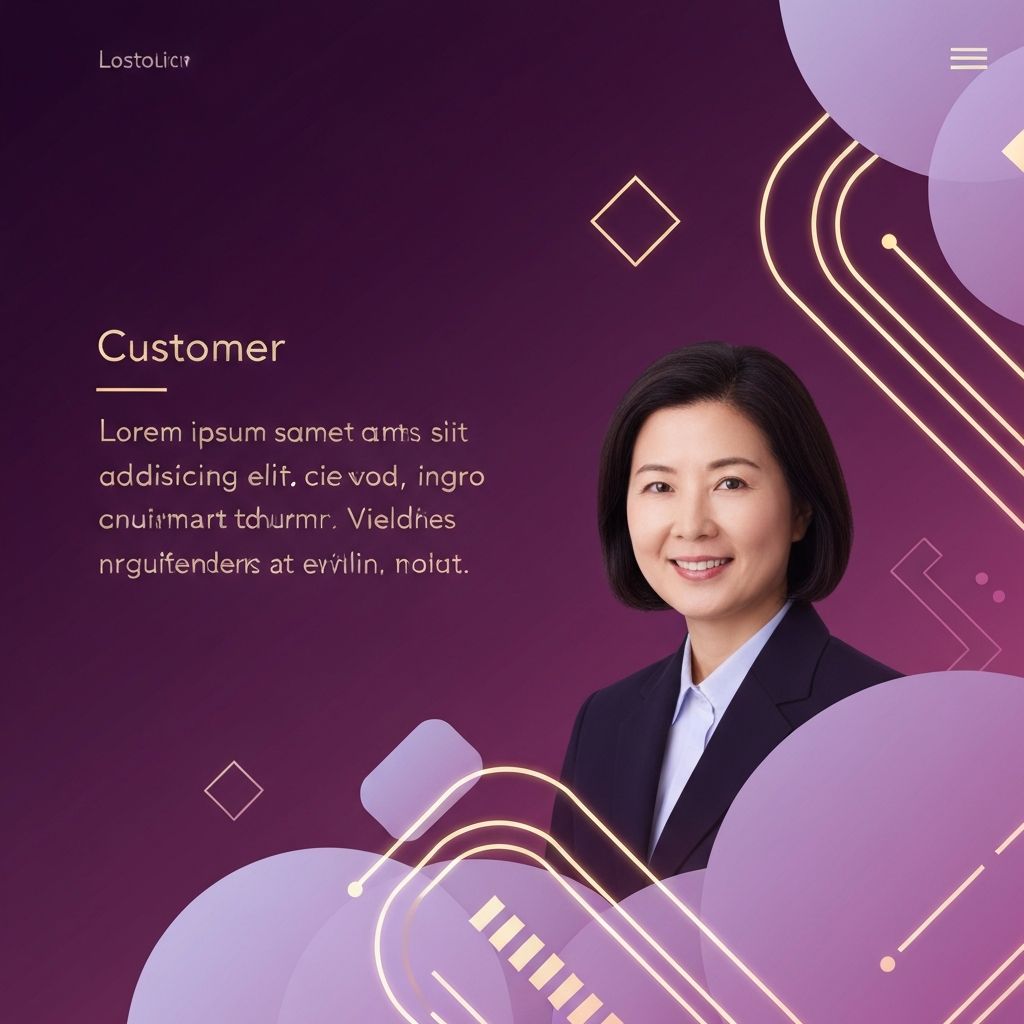
Why a Dedicated Testimonial Web Page Matters
Most websites scatter customer quotes across the home page, pricing page, and a few product sections. While that helps, a dedicated testimonial web page can become one of the highest-converting pages on the site. It is the page where skeptical visitors go when they want to confirm that other people, ideally similar to themselves, have already taken the leap and gotten real value from the product or service.
Strong testimonial web page design treats the page as a structured argument, not a random gallery. It anticipates the questions in a buyer's mind—does this work for someone like me, what kind of results can I expect, and what risks am I really taking—and answers them through carefully chosen, well-formatted social proof.
Hire AAMAX.CO for Web Design and Development Services
Designing and building a high-converting testimonial page often requires combining content strategy, visual design, and technical implementation. AAMAX.CO is a full service digital marketing company offering web development, digital marketing, and SEO services worldwide. Their team helps brands collect, structure, and present testimonials in formats that look credible, load quickly, and integrate cleanly with the rest of their marketing funnel.
Start With Strategy, Not Layout
The first step in testimonial web page design is not visual; it is strategic. Who is the page meant to convince? What objections does that audience hold? What specific outcomes does the brand want to highlight—time saved, revenue gained, satisfaction increased, risk reduced? The answers shape which testimonials matter most and how they should be grouped.
Buyers usually look for proof on three levels: outcomes, experience, and identity. Outcomes show measurable results. Experience describes the journey of working with the company. Identity confirms that other customers in similar industries, sizes, or situations have already chosen this option. A great testimonial page covers all three.
Structuring the Page for Scanning and Depth
Most visitors scan first and read second. The page should be designed for both behaviors. A short, confident hero section sets the tone with a strong headline, a brief supporting paragraph, and perhaps a key statistic that summarizes the proof. From there, the page can move into curated highlights, longer stories, and easy navigation between segments.
Grouping testimonials by industry, use case, company size, or job role helps visitors find proof that feels relevant. Filters, tabs, or anchor links make it easy to jump straight to the most useful section. Done well through thoughtful website design, this turns a long page into a navigable resource rather than an overwhelming wall of quotes.
Designing Individual Testimonial Cards
The visual design of each testimonial card has a major impact on credibility. Strong cards usually include a photo of the person, their full name, role, company, and a clear quote. Where possible, adding a logo, a short outcome metric, and a link to a longer case study deepens trust further. Avoid generic stock photos and unattributed quotes; both quietly hurt credibility.
Typography should make the quote itself the visual hero. Larger, slightly more expressive type for the quote, paired with quieter type for the name and role, draws attention to what each customer is actually saying. Spacing between cards prevents the page from feeling cluttered, while subtle dividers or backgrounds can separate categories without overwhelming the design.
Mixing Formats for Depth
Text-only quotes are useful but limited. The strongest testimonial web pages mix formats: short text quotes, longer written stories, video testimonials, audio clips, and detailed case studies. Each format speaks to different visitor preferences and attention spans.
Video testimonials are especially powerful because they show real expressions and tone of voice, which are hard to fake. They should be short, well-lit, captioned for accessibility, and lazy-loaded so they do not slow down the page. Written case studies can sit behind a click for visitors who want to dive deeper.
Specificity Beats Praise
The most persuasive testimonials are specific. "This product is amazing" is far less compelling than "In ninety days, our team cut onboarding time by forty percent and reduced support tickets by half." Specific numbers, timeframes, and concrete situations make the quote believable and memorable.
When collecting testimonials, ask focused questions: what problem were you trying to solve, what made you choose this option, what changed after implementation, and what would you tell someone considering the same choice. The answers naturally produce stronger quotes than asking customers to write something nice.
Performance, Accessibility, and SEO
A testimonial web page often becomes one of the most-trafficked pages on the site, especially when other pages link to it. That makes performance, accessibility, and SEO especially important. Compress images, lazy-load videos, and avoid heavy embeds that block rendering. Use proper heading structure, alt text on photos, captions on videos, and sufficient color contrast on quotes.
From an SEO perspective, the page should target relevant keywords, use descriptive headings, and link to related case studies and product pages. Structured data for reviews, where appropriate, can make the page stand out in search results.
Maintaining the Page Over Time
Testimonial pages decay quickly when ignored. Old logos, outdated job titles, and missing recent customers all signal that the page has not been updated. Build a simple process: after each major customer success, capture a quote, ask for permission, and add it to the page. A quarterly review keeps the page current and trustworthy.
Conclusion
A well-designed testimonial web page is one of the highest-leverage assets in a brand's digital presence. With clear strategy, thoughtful structure, credible visuals, varied formats, and consistent maintenance, it becomes a persuasive companion to every other marketing channel. For visitors on the edge of a decision, a strong testimonial page can be exactly what tips them from curiosity to commitment.