
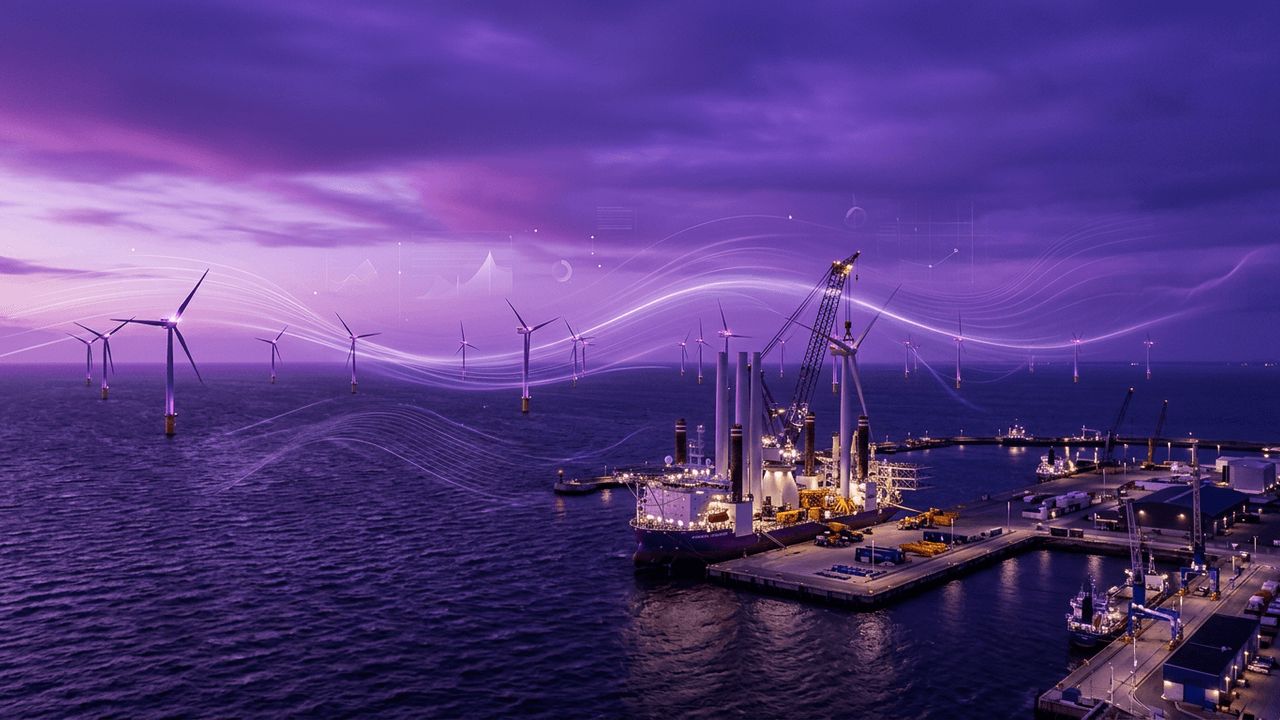
Wind Energy and the Delaware Coast
The Mid-Atlantic coast offers some of the most promising offshore wind resources in the United States. Shallow continental shelf waters and strong, consistent winds make the area off Delaware, Maryland, and New Jersey ideal for large-scale wind farms. Wilmington, with its port on the Delaware River, research institutions nearby, and a skilled industrial workforce, stands to benefit as the offshore wind industry evolves.
Delaware has also played a pioneering role in wind research. The University of Delaware's turbine in Lewes was one of the first utility-scale turbines on the East Coast to support academic research. Here are ten companies and institutions shaping wind energy relevant to Wilmington.
The Top 10 Wind Energy Companies and Organizations
1. Orsted
Orsted is the world's largest offshore wind developer, with projects across Europe and the United States. It has pursued Mid-Atlantic offshore wind development and brings unmatched experience in building and operating large wind farms.
2. US Wind
US Wind is developing offshore wind projects off the Delmarva Peninsula. Its plans include transmission infrastructure that would bring power ashore in Delaware, potentially supplying clean electricity to the regional grid.
3. GE Vernova
GE Vernova manufactures wind turbines for onshore and offshore projects, including some of the largest turbines in the world. Its technology is central to many proposed and operating wind farms along the East Coast.
4. Siemens Gamesa Renewable Energy
Siemens Gamesa is a leading turbine manufacturer. A Gamesa turbine powers the University of Delaware's research installation in Lewes, demonstrating the company's long connection with Delaware wind research.
5. Vestas
Vestas is one of the world's largest wind turbine manufacturers and service providers. Its global experience in turbine maintenance and performance optimization makes it a key industry player for any future Mid-Atlantic projects.
6. Equinor
Equinor, the Norwegian energy company, is developing offshore wind off the coast of New York and has broad experience in floating and fixed-bottom wind. Its activities influence regional supply chains, including ports along the Delaware River.
7. University of Delaware Center for Carbon-free Power Integration
This research center studies offshore wind resources, environmental impacts, and grid integration. Its scientists have contributed significantly to understanding the potential of Atlantic offshore wind.
8. Delmarva Power
As the regional utility, Delmarva Power plays a role in integrating wind energy into the grid, upgrading transmission, and managing renewable energy procurement.
9. Delaware Sustainable Energy Utility
The Delaware Sustainable Energy Utility supports clean energy adoption, including programs that help communities understand and benefit from renewable energy, and helps build public engagement around wind and other renewables.
10. Port of Wilmington
The Port of Wilmington, operated by Enstructure on behalf of the state, is a major Delaware River port. Its heavy-cargo capabilities and strategic location make it a potential logistics asset for offshore wind components and supply chains.
Why Wind Energy Matters for Wilmington
Offshore wind can deliver large amounts of clean electricity close to population centers, reducing reliance on fossil fuels and improving air quality. The industry also creates jobs in manufacturing, construction, vessel operations, and maintenance. For a city with a strong industrial heritage, wind energy offers a pathway to new skilled employment and economic growth.
Challenges and Trends
Offshore wind faces challenges, including supply chain constraints, permitting complexity, rising costs, and shifting federal policy. Several projects nationwide have been delayed or renegotiated. Still, technology continues to advance, with larger turbines producing more energy per installation. Floating wind platforms, transmission planning, and port investments remain key areas of development. Community engagement and environmental protection, including impacts on fisheries and marine life, are central to project success.
Frequently Asked Questions
Will offshore wind turbines be visible from Delaware beaches?
Proposed Mid-Atlantic offshore wind projects are generally located many miles offshore. Visibility depends on distance, turbine height, and weather conditions, and it is a common topic in public review processes.
How does offshore wind power reach homes?
Turbines send electricity through undersea cables to an offshore substation and then to an onshore connection point. From there, the power enters the regional transmission grid and is delivered to homes and businesses.
What jobs does wind energy create?
Offshore wind creates jobs in engineering, manufacturing, port logistics, vessel operations, construction, environmental monitoring, and long-term turbine maintenance. Many roles draw on skills already present in Wilmington's industrial workforce.
Is small-scale wind practical for homes in Wilmington?
Residential wind turbines are rarely practical in urban and suburban Wilmington because of limited space, local zoning, and inconsistent wind speeds. Homeowners interested in clean power usually find rooftop solar or a green electricity supply plan more effective.
How is marine life protected during wind development?
Developers must complete detailed environmental reviews, monitor marine mammals during construction, and adopt measures such as seasonal restrictions and noise reduction technologies to limit impacts on wildlife and fisheries.
Final Thoughts
Wind energy represents one of the most significant opportunities for Delaware's clean energy future. The companies and institutions highlighted here bring global expertise, local research, and infrastructure that could help Wilmington play a meaningful role in the growth of American offshore wind.