
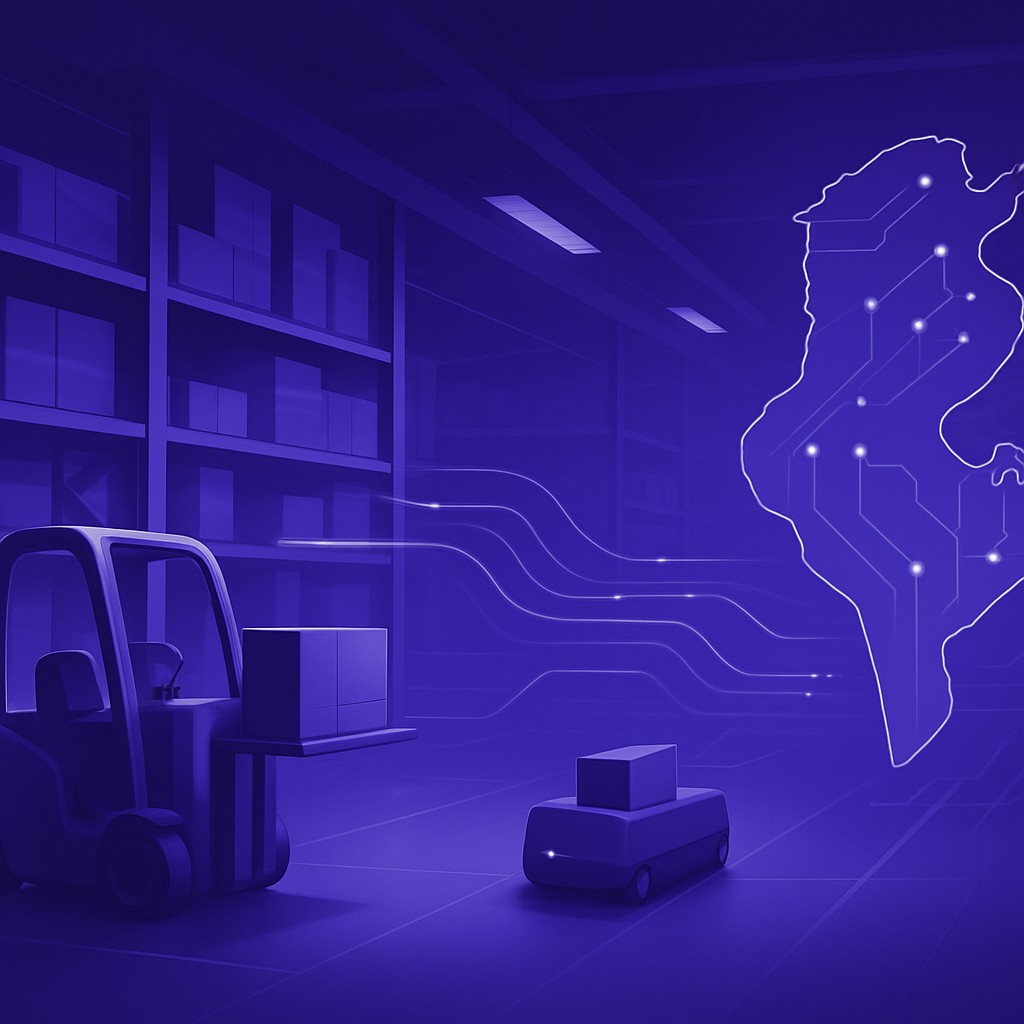
The Strategic Importance of Warehousing in Tunisia
Warehousing is a critical link in Tunisia's supply chain, enabling businesses to store goods safely, manage inventory efficiently, and distribute products across the country and beyond. As Tunisia strengthens its role as a Mediterranean trade and manufacturing hub, demand for modern warehousing and logistics facilities has grown considerably. Sectors such as retail, automotive components, textiles, pharmaceuticals, agriculture, and the rapidly expanding e-commerce market all rely on well-located, well-equipped warehouses to keep their operations running smoothly. Proximity to key ports like Rades and major cities such as Tunis, Sfax, and Sousse makes warehouse location a vital strategic consideration.
The best warehousing companies in Tunisia offer far more than space. They provide integrated logistics services including inventory management, order fulfillment, distribution, and value-added handling, helping businesses reduce costs and improve service levels. Below are ten of the most capable providers and categories supporting Tunisian commerce.
The Top 10 Warehousing Companies in Tunisia
1. Bollore Logistics Tunisia. As part of a major international logistics group, Bollore offers comprehensive warehousing combined with freight forwarding, customs brokerage, and distribution. Its facilities and global expertise make it a trusted partner for multinational and large local clients.
2. DHL Supply Chain. Leveraging world-class logistics standards, DHL provides contract warehousing and fulfillment services with strong technology, suited to businesses requiring reliable inventory management and integrated distribution.
3. CEVA Logistics / international 3PL providers. Third-party logistics specialists operating in Tunisia deliver flexible warehousing solutions, managing storage, picking, packing, and shipping for companies that prefer to outsource their logistics operations.
4. Tunisia Logistics zones and bonded warehouses. Operators within the country's logistics and free zones provide bonded warehousing that allows goods to be stored before customs duties are paid, a valuable service for importers, exporters, and re-export businesses.
5. Cold storage and food logistics specialists. Several Tunisian companies focus on temperature-controlled warehousing for perishable goods such as fresh produce, seafood, dairy, and pharmaceuticals, maintaining the cold chain essential for these sensitive products.
6. Rades port-area warehousing operators. Located close to the country's busiest container terminal, these providers offer storage and distribution facilities ideal for import and export goods, minimizing transport time between port and warehouse.
7. Sfax industrial warehousing firms. Serving Tunisia's major industrial and commercial center, these companies provide storage and distribution support for manufacturing, agriculture, and regional trade in the south.
8. E-commerce fulfillment centers. A growing category of warehousing providers specializes in serving online retailers, offering order fulfillment, returns handling, and fast dispatch tailored to the needs of Tunisia's expanding digital commerce sector.
9. Dedicated distribution and 3PL companies. Local logistics firms offer combined warehousing and nationwide distribution, helping brands store inventory centrally and deliver efficiently to retailers and customers across the country.
10. Self-storage and SME warehousing services. For smaller businesses and individuals, flexible storage providers offer scalable space and short-term contracts, supporting startups, seasonal businesses, and companies with fluctuating inventory needs.
Key Warehousing Services
Top warehousing companies in Tunisia deliver a wide range of services beyond basic storage. Inventory management systems track stock levels in real time, while order fulfillment services handle picking, packing, and dispatch for retailers and online sellers. Distribution and transport coordination ensure goods reach their destinations efficiently. Specialized offerings include temperature-controlled storage for perishables, bonded warehousing for customs-deferred goods, and value-added services such as labeling, kitting, and quality checks. Security, fire protection, and modern handling equipment are standard at leading facilities.
Trends Shaping the Warehousing Sector
The growth of e-commerce is reshaping warehousing demand in Tunisia, driving the need for fulfillment centers capable of rapid order processing and efficient returns handling. Automation and warehouse management software are increasingly adopted to improve accuracy and speed. There is also rising interest in cold-chain capacity as exports of perishable goods expand. Strategic investment in logistics zones near ports and major highways aims to position Tunisia as a regional distribution hub, while sustainability considerations encourage energy-efficient facilities and optimized transport.
How to Choose a Warehousing Partner
Selecting the right warehousing company in Tunisia depends on several factors. Location is paramount, with proximity to ports, highways, and target markets reducing transport costs and delivery times. Businesses should assess the provider's storage capacity, technology, and ability to handle their specific goods, including any need for temperature control or bonded storage. The range of value-added services, the quality of security, and the flexibility of contracts also matter. Transparent pricing and a proven track record of reliability complete the picture of a strong partner.
Conclusion
Warehousing is a foundational element of Tunisia's trade and commerce, enabling businesses to store, manage, and distribute goods with efficiency and confidence. From global logistics leaders like Bollore and DHL to specialized cold-storage operators, port-area facilities, and e-commerce fulfillment centers, the country offers a diverse and capable warehousing market. By choosing a partner whose location, services, and capabilities match their needs, Tunisian businesses can strengthen their supply chains and support sustainable growth in an increasingly competitive economy.