
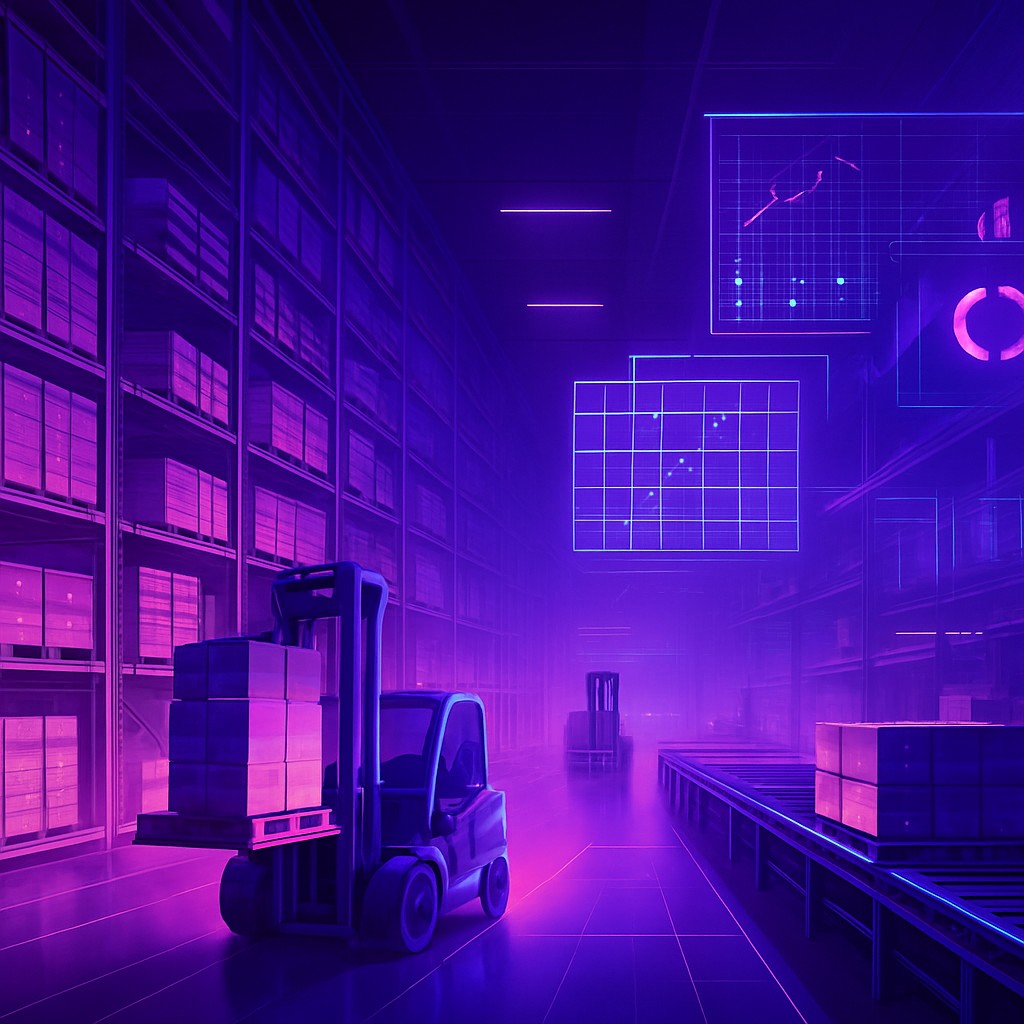
The Backbone of Modern Logistics
Warehousing is a critical link in the supply chain, providing the storage, handling, and distribution capabilities that keep goods flowing smoothly. In Sweden, a country with a strong manufacturing base and a thriving e-commerce sector, efficient warehousing is essential. The best warehousing companies offer far more than storage space; they provide integrated logistics solutions that include inventory management, order fulfilment, and distribution.
Strategically located near major ports, transport hubs, and population centres, Swedish warehouses support both domestic distribution and international trade. As supply chains grow more complex and customer expectations rise, modern warehousing has become increasingly automated, data-driven, and sustainable.
What Sets Top Warehousing Companies Apart
Leading warehousing providers distinguish themselves through several capabilities. Strategic location is key, with facilities positioned near ports, highways, and railways to enable fast distribution. Technology plays a central role, as automated systems, warehouse management software, and robotics improve accuracy and efficiency. Scalability allows businesses to adjust storage capacity as demand fluctuates.
Specialised storage options, such as temperature-controlled facilities for food and pharmaceuticals or secure areas for high-value goods, add further value. Value-added services like packing, labelling, returns processing, and order fulfilment make warehousing companies true logistics partners rather than simple storage providers.
Leading Warehousing Companies in Sweden
Several companies excel in the Swedish warehousing and logistics market. DB Schenker operates extensive warehousing facilities across the country, offering integrated logistics and distribution services. DSV Solutions provides modern warehousing with advanced technology and flexible contract logistics for diverse industries. PostNord Logistics combines warehousing with its extensive distribution network, ideal for e-commerce fulfilment.
Kuehne and Nagel delivers contract logistics and specialised warehousing, including temperature-controlled storage. Bring Warehousing serves Nordic businesses with efficient storage and fulfilment solutions. Greencarrier, based in Gothenburg, offers warehousing alongside its freight services with a focus on sustainability.
Companies such as NTEX and Aditro Logistics provide flexible warehousing tailored to Swedish supply chains, while ICA Logistics and Axfood operate large-scale facilities supporting the retail and grocery sectors. Catena and Logistea, as logistics property specialists, develop and manage modern warehouse facilities that house many of these operations.
Automation and Technology in Warehousing
Technology is reshaping the warehousing industry in Sweden. Automated storage and retrieval systems, robotics, and conveyor technology speed up order processing and reduce errors. Warehouse management software provides real-time visibility into inventory, enabling precise stock control and faster fulfilment. Data analytics help optimise layouts, predict demand, and improve efficiency.
For e-commerce businesses in particular, automated fulfilment centres are essential to meet the demand for fast, accurate deliveries. Swedish warehousing companies are at the forefront of adopting these technologies, helping clients stay competitive in a fast-moving market.
Sustainability in Warehousing
Sustainability is a priority across Swedish logistics, and warehousing is no exception. Modern facilities increasingly feature energy-efficient lighting, solar panels, and smart climate control to reduce energy use. Electric forklifts and vehicles lower emissions, while careful design minimises waste and maximises space efficiency. Many warehouses are built to high environmental certification standards.
These green practices not only reduce environmental impact but also lower operating costs and appeal to clients seeking sustainable supply chain partners.
Choosing the Right Warehousing Partner
Selecting a warehousing company depends on a business's specific needs. Factors to consider include location relative to customers and transport links, available technology, scalability, and specialised storage options. For e-commerce, fast and accurate order fulfilment is crucial, while industries like food and pharmaceuticals require certified, temperature-controlled facilities.
Evaluating a provider's technology, track record, sustainability practices, and range of value-added services helps ensure the right fit. With a sophisticated and well-developed warehousing sector, Sweden offers reliable, efficient, and sustainable solutions that support businesses of every size and industry.