
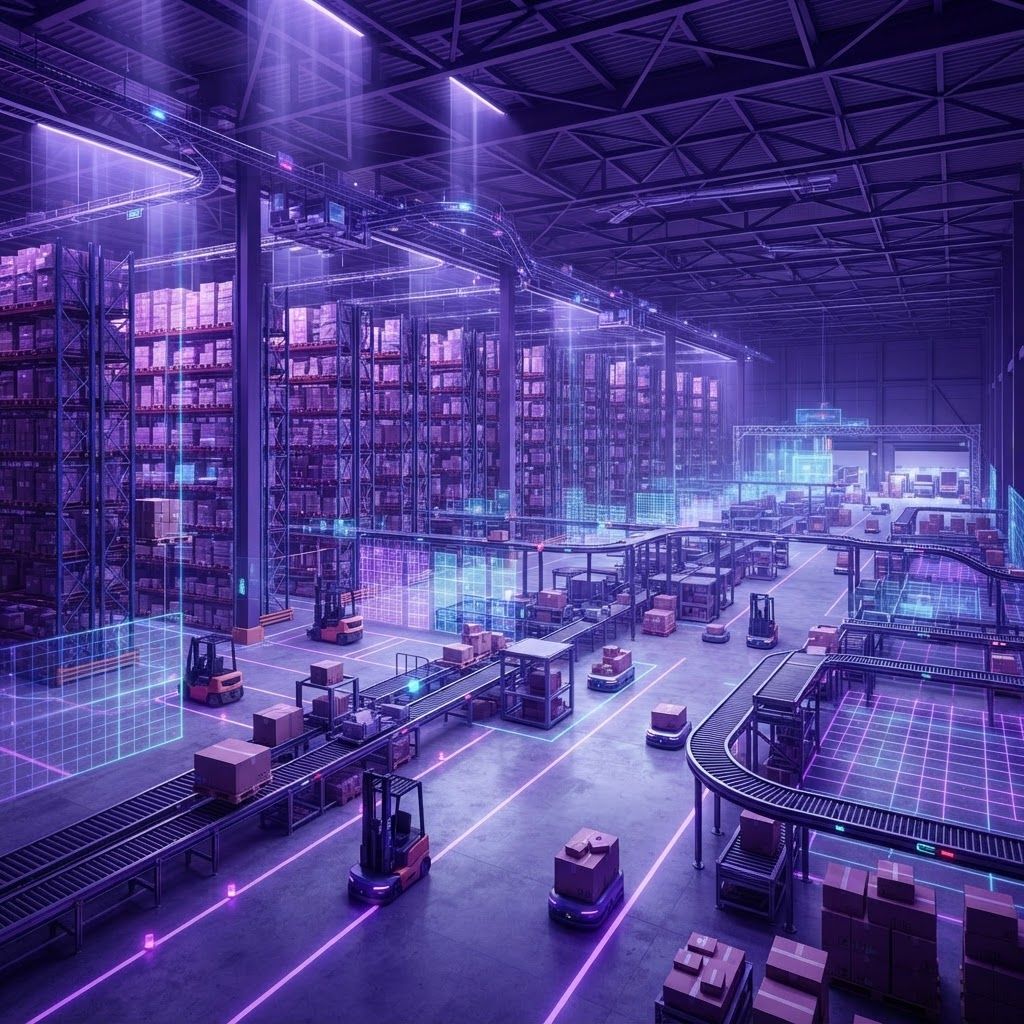
The Warehousing Capital of the West
The Inland Empire contains one of the deepest concentrations of modern industrial space anywhere in the world, and San Bernardino sits squarely within it. The logic is simple. Land near the coast is scarce and expensive, while the region east of Los Angeles offered large parcels, freeway access and rail service. Over three decades that combination produced hundreds of millions of square feet of distribution space, along with a workforce experienced in high volume fulfillment.
For a business, this means real choice. You can lease raw space and staff it yourself, contract with a third party logistics provider that operates on your behalf, or use a flexible on demand network that charges per pallet and per order. Each model carries different cost structures, commitments and control levels, and the right answer depends on volume predictability more than anything else.
The Ten Leading Warehousing Companies
1. Prologis. As the largest industrial landlord in the region, Prologis defines the standard for modern warehouse specifications, including clear heights, dock ratios, sprinkler systems and energy efficiency. Tenants value the professional property management and the ability to expand within the same portfolio.
2. Duke Realty Industrial Portfolio. Long a major Inland Empire developer, this portfolio offers large format distribution buildings designed for high throughput operations, often with rail proximity and substantial trailer parking, which has become a scarce and valuable feature.
3. NFI Industries. NFI provides dedicated contract warehousing with integrated transportation, meaning a single provider can receive containers, store goods and manage outbound freight. Importers with steady volume often find this reduces coordination overhead considerably.
4. GEODIS. GEODIS operates contract logistics facilities with strong ecommerce fulfillment capability, including automation, kitting and returns processing. Its labor management systems support the accuracy levels that consumer brands require.
5. DHL Supply Chain. DHL brings global standardization and mature technology to Inland Empire warehousing, with particular strength in regulated sectors such as healthcare and consumer electronics where process documentation is essential.
6. XPO Logistics. XPO combines warehousing with less than truckload transportation, creating useful flexibility for distributors that ship small quantities to many destinations rather than full truckloads to a few.
7. Ryder System. Ryder ecommerce fulfillment and dedicated warehousing offerings suit mid market brands that need professional operations without building an internal logistics organization. Its multi client facilities lower the cost of entry.
8. Americold. For temperature controlled storage, Americold is among the most significant providers, supporting food and beverage distribution across Southern California with frozen and refrigerated capacity that general warehouses cannot offer.
9. Flexe. Flexe operates an on demand warehousing marketplace, giving companies access to space and fulfillment services on short commitments. This is especially valuable for seasonal overflow when signing a multi year lease would be wasteful.
10. Stater Bros. Markets Distribution. The grocery retailer distribution complex is a benchmark for high velocity replenishment in the region, combining ambient, refrigerated and frozen operations at significant scale from its San Bernardino base.
What to Evaluate in a Facility
Physical specifications matter more than square footage. Clear height determines how much of the cube you can actually use, and modern racking assumes generous vertical space. Dock door count relative to building size dictates how quickly you can receive and ship during peak hours. Column spacing affects racking layout efficiency. Trailer parking has become a genuine constraint in the Inland Empire and directly affects drayage cost.
Technology is equally decisive. A warehouse management system with real time inventory visibility, lot and serial tracking where needed, and clean integration to your order platform prevents the data mismatches that cause most fulfillment errors. Ask to see the customer portal live rather than in a slide deck.
Labor and Operational Reliability
Warehouse performance is ultimately a labor story. Ask about turnover rates, training programs, safety incident history and how the provider staffs peak season. Facilities that rely heavily on short term temporary labor during the autumn surge frequently show declining accuracy exactly when accuracy matters most. Providers that invest in retention and cross training deliver more stable results.
Cost Structures and Contract Terms
Third party warehousing typically charges for storage by pallet or square foot, plus handling for receiving and shipping, plus value added services such as labeling and kitting. Compare providers on total cost per order for your actual profile rather than on storage rate alone, because a low storage rate paired with high handling fees can be more expensive overall.
Negotiate for volume flexibility. Contracts that assume flat monthly volume punish businesses with seasonal patterns. Clarify minimum commitments, notice periods, inventory transfer procedures at termination and liability limits for inventory loss or damage.
Regional Trends
Three shifts are underway. Automation is moving into mid size facilities through autonomous mobile robots and goods to person systems. Sustainability requirements are driving rooftop solar, electric yard equipment and cleaner drayage. And tighter industrial vacancy has increased the strategic value of flexible, shared capacity models over long term single tenant leases.
Final Thoughts
San Bernardino warehousing offers scale, talent and connectivity that few markets can match. Define your volume predictability first, then choose between leasing, contract logistics and on demand capacity accordingly. Evaluate facilities on cube, docks, technology and labor stability, and validate every claim with a live shift tour.