
Salem's Emergence as a Warehousing Hub
Warehousing is often described as a metro business, but the reality in Tamil Nadu is more distributed. Salem sits at the intersection of the Chennai-Coimbatore and Bengaluru-Madurai corridors, giving it road connectivity that few tier-two cities can match. Add a major railway junction, proximity to the Chennai and Tuticorin ports within a reasonable trucking radius, and a genuinely diverse industrial base, and the case for regional distribution capacity becomes obvious.
The city's economic mix drives varied storage demand. Steel and engineering units need heavy-duty floor loading and outdoor yard space. Textile and garment manufacturers require clean, dry storage with humidity control for finished goods. Sago and agricultural processors need food-grade facilities with pest management. E-commerce fulfilment needs racking, sortation area, and fast dock turnaround. A single warehouse cannot serve all of these well, which is why understanding the categories matters before you start comparing quotes.
Types of Warehousing Available
Public warehousing offers shared space on a pay-per-use basis, ideal for businesses with variable inventory or those testing a new market. Contract or dedicated warehousing allocates exclusive space and staff to one client under a longer agreement, delivering better process control at a higher commitment. Bonded warehousing allows imported goods to be stored with customs duty deferred until clearance, which is valuable for importers managing cash flow.
Cold storage handles temperature-sensitive goods, relevant in Salem for agricultural produce, dairy, and pharmaceuticals. Third-party logistics goes beyond storage to include inventory management, order picking, packing, and dispatch. Finally, agricultural warehousing under regulated warehouse receipt systems allows farmers and traders to store produce and access finance against stored stock.
The Top 10 Warehousing Companies in Salem
1. Central Warehousing Corporation. The national public sector warehousing body operates facilities across Tamil Nadu and remains a trusted option for agricultural commodities, fertilisers, and general cargo. Its strengths are scale, standardised storage practices, and the credibility of a government-backed warehouse receipt, which enables pledge financing from banks. For agricultural traders around Salem dealing in commodities, these facilities offer a combination of security and financial utility that private operators rarely match.
2. Tamil Nadu Warehousing Corporation. The state counterpart operates a dense network of godowns across district headquarters and market towns, including in the Salem region. It is particularly well suited to agricultural produce, seeds, and inputs, with scientific storage practices and regular fumigation schedules. Rates are regulated and transparent, and the proximity of facilities to regulated markets reduces transport costs for farmers and traders.
3. Gati. Gati brings integrated warehousing and distribution under one roof, which is valuable for businesses that want storage and onward movement handled by a single partner. Its facilities support inventory management systems, order fulfilment, and scheduled dispatch into the surface express network. Salem manufacturers distributing across South India often find this integration reduces both cost and coordination effort.
4. Delhivery. Delhivery has invested heavily in large automated fulfilment centres and a supply chain technology stack that ranks among the best in India. For e-commerce sellers and direct-to-consumer brands based in or serving Salem, its combination of storage, pick-and-pack, quality checking, and integrated last-mile delivery creates a genuinely end-to-end solution. Integrations with major marketplaces and storefront platforms make onboarding straightforward.
5. Mahindra Logistics. Operating at the enterprise end of the market, Mahindra Logistics designs and runs dedicated warehousing solutions for manufacturing and automotive clients. Its capabilities include in-plant logistics, line-side feeding, kitting, and sub-assembly, which suits Salem's engineering and component manufacturers. The company also brings strong safety and compliance discipline, which matters in industrial environments.
6. TVS Supply Chain Solutions. With deep roots in Tamil Nadu and extensive automotive sector experience, TVS Supply Chain Solutions is a natural fit for Salem's engineering ecosystem. Its offering spans inbound logistics, warehousing, spare parts management, and aftermarket distribution. The company's understanding of regional supplier networks and its systems for managing large stock-keeping-unit counts are notable strengths.
7. Safexpress. Safexpress operates one of India's largest logistics park networks and offers warehousing tightly coupled with its express distribution reach. For businesses that need stock positioned regionally and dispatched quickly to multiple markets, this model reduces transit time considerably. Facilities are built to modern specifications with proper dock levellers, fire safety systems, and security infrastructure.
8. Allcargo Logistics. Allcargo brings international freight expertise alongside domestic warehousing, making it relevant for Salem exporters and importers. Container freight station services, bonded storage options, and multimodal coordination are useful for textile exporters and engineering firms moving goods through ports. The company's documentation and customs capability reduces friction on cross-border consignments.
9. Salem Regional Private Godown Operators. A substantial part of the city's storage capacity sits with independent local godown owners near the industrial estates and along the highway approaches. These facilities range widely in quality, from basic sheds to well-built warehouses with proper flooring and ventilation. Their advantage is price flexibility, short-notice availability, and willingness to accommodate unusual requirements. Due diligence is essential, but good local operators offer excellent value for straightforward storage needs.
10. Cold Storage Facilities in the Salem Belt. Several dedicated cold storage units serve the Salem and Namakkal region, supporting agricultural produce, poultry products, and pharmaceuticals. Given the agricultural intensity of the surrounding districts, temperature-controlled capacity is an important segment. Key evaluation points are temperature consistency records, backup power reliability, and hygiene certification, since a single power failure can destroy an entire consignment.
How Warehousing Is Priced
Storage is typically charged per square foot per month for dedicated space, or per pallet position per month for shared racking. Handling charges for inbound receipt and outbound dispatch are usually billed separately, often per unit or per pallet. Value-added services such as labelling, kitting, repacking, and quality inspection carry their own rates. Some providers offer a bundled per-order fulfilment price that is easier to budget for e-commerce businesses.
The important comparison is total cost to serve, not headline rent. A cheaper facility located further from your customer base may cost more once outbound freight is included. Conversely, a slightly expensive warehouse with efficient dock operations can reduce vehicle detention charges significantly.
Evaluating a Facility Before You Commit
Visit in person. Check the floor for cracks and confirm the load-bearing capacity matches your goods, particularly for steel or machinery. Inspect the roof for leaks and the walls for damp, since monsoon water ingress ruins textile and paper stock. Assess ventilation and, where relevant, humidity control. Look at the dock arrangement and whether trucks can manoeuvre comfortably, because poor yard design creates chronic delays.
Verify fire safety infrastructure including extinguishers, hydrants, alarms, and clear evacuation routes, and ask to see the fire no-objection certificate. Confirm security arrangements: boundary walls, guarded gates, camera coverage, and access logging. Ask about pest control schedules and records. Review the insurance position carefully, establishing whether the operator covers stored goods or whether you must arrange your own policy.
On the systems side, ask what warehouse management software is used and whether you get real-time visibility of stock. Manual register-based operations still exist and can work for simple storage, but any business with meaningful stock-keeping-unit variety needs digital inventory tracking to avoid shrinkage and picking errors.
Compliance and Documentation
Ensure the facility has valid trade licences, and confirm goods and services tax registration alignment, since storing stock in a state may create registration obligations depending on your business structure. For food and agricultural goods, food safety licensing is required. For hazardous or flammable materials, additional approvals apply. A reputable operator will produce these documents without hesitation, and reluctance to share them is a meaningful warning sign.
Trends Shaping the Sector
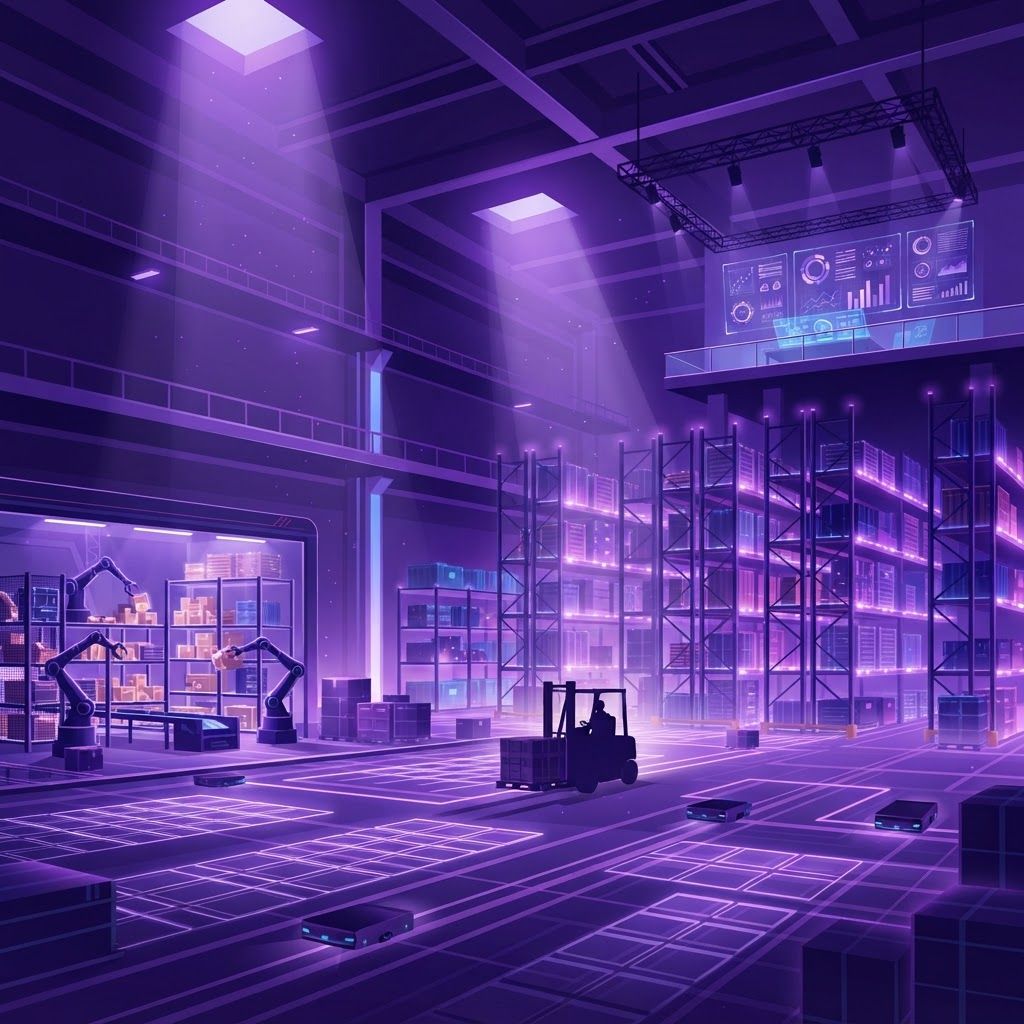
Three developments stand out. Grade A warehousing specifications, once confined to metros, are now appearing in tier-two cities like Salem, bringing higher ceilings, better flooring, and modern dock equipment. Automation is entering gradually through barcode and scanner-driven picking rather than full robotics, which suits the labour cost structure. And sustainability is beginning to matter, with rooftop solar installations increasingly common on large warehouse roofs, reducing operating costs meaningfully over a long lease.
Final Thoughts
Salem offers a genuinely capable warehousing market spanning government-backed agricultural storage, national third-party logistics operators, and flexible local godowns. Central Warehousing Corporation and Tamil Nadu Warehousing Corporation anchor the commodity segment, Delhivery and Gati serve e-commerce and distribution, Mahindra Logistics and TVS Supply Chain Solutions handle complex industrial requirements, and local operators fill the gaps with flexibility and competitive pricing. Define your requirement precisely in terms of volume, throughput, and handling complexity, visit at least three facilities, compare total cost to serve rather than rent alone, and put every service level expectation in the written agreement.