
Finding Excellent Veterinary Care in Washington
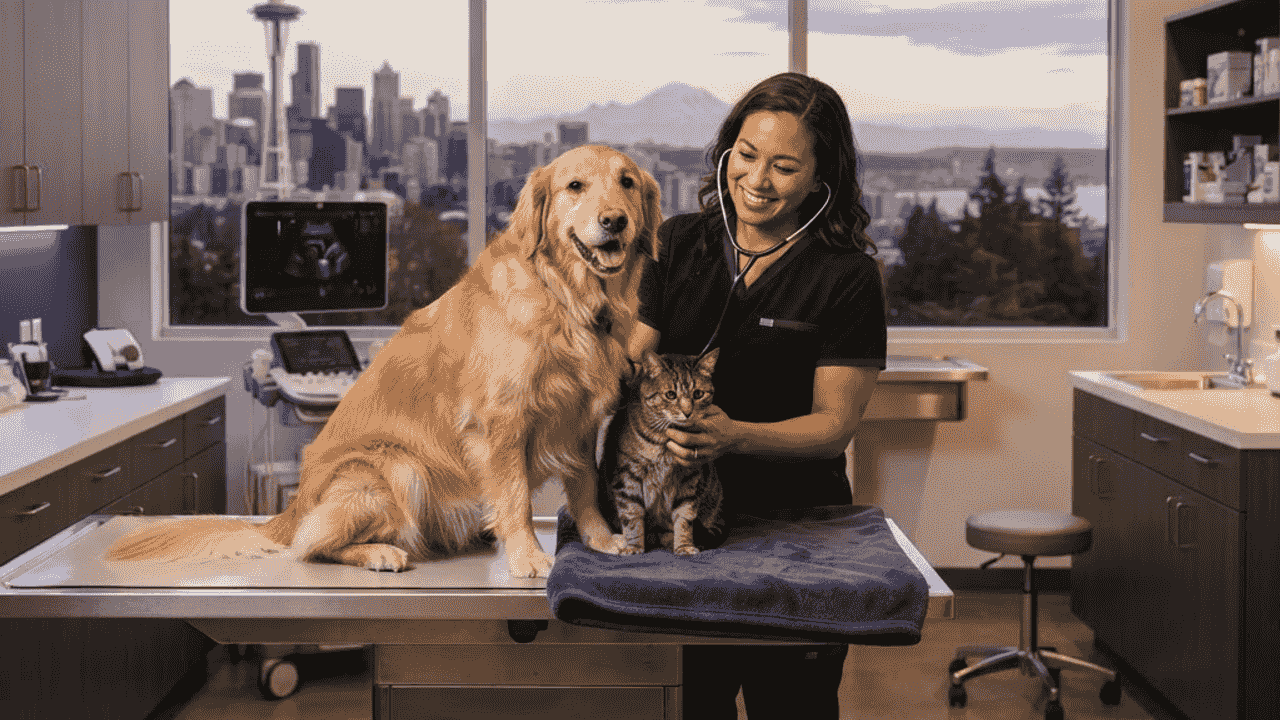
Washington's pets live in environments ranging from dense Seattle neighborhoods to farms, islands, and mountain communities. A strong veterinary relationship should cover preventive care while providing a clear route to urgent and specialty treatment. Consider appointment access, diagnostic capabilities, communication, species expertise, emergency arrangements, and how the clinic supports anxious animals. The following list includes primary-care hospitals, specialty centers, and teaching resources.
1. Washington State University Veterinary Teaching Hospital
Located in Pullman, the Washington State University Veterinary Teaching Hospital is a major referral resource for the state and the wider region. It offers advanced diagnostics and specialty services supported by veterinary faculty, residents, and students. Complex cases may benefit from multidisciplinary review and access to sophisticated equipment. The hospital also contributes to clinical research and the education of future veterinarians.
2. Veterinary Specialty Center of Seattle
Veterinary Specialty Center of Seattle in Lynnwood provides specialty and emergency services for Puget Sound pet owners. Referral centers are especially valuable when a pet needs internal medicine, surgery, oncology, neurology, cardiology, or intensive monitoring beyond the scope of a neighborhood clinic. Coordination between the specialist and primary veterinarian is an important part of continuity.
3. BluePearl Pet Hospital
BluePearl operates specialty and emergency hospitals serving Washington communities. Its model centers on urgent care and board-certified specialty services, making it useful when a condition requires immediate stabilization or advanced treatment. Pet owners should identify their nearest emergency location before a crisis and keep relevant medical records readily available.
4. Animal Medical Center of Seattle
Animal Medical Center of Seattle in Shoreline provides emergency and specialty veterinary care. The facility serves as a referral destination for challenging medical and surgical cases. Its range of disciplines can reduce the need to coordinate multiple specialty locations. Families facing serious illness should ask for a written care plan, expected milestones, alternatives, and a clear estimate.
5. Seattle Veterinary Associates
Seattle Veterinary Associates operates multiple neighborhood hospitals and has served city pet owners for decades. Its clinics emphasize preventive medicine, dentistry, diagnostics, surgery, and ongoing primary care. A multi-location group can offer broader appointment availability while retaining the benefits of accessible community care and longitudinal medical records.
6. Urban Animal
Urban Animal provides veterinary care in Seattle with a walk-in-oriented model. This approach can be convenient for city residents who need flexibility and cannot always schedule far in advance. Services include routine care, diagnostics, and treatment for common illnesses. Because walk-in demand can fluctuate, owners should understand triage procedures and where severe emergencies are directed.
7. VCA Animal Hospitals
VCA has several Washington locations offering primary care and, at selected hospitals, extended or specialty services. Its network provides standardized resources, wellness care, dental treatment, surgery, and diagnostics. The best fit depends on the individual hospital's team and capabilities, so owners should evaluate the local clinic rather than relying only on the national name.
8. Banfield Pet Hospital
Banfield's Washington clinics are often located near major retail centers and focus on preventive and general medicine. Its wellness-plan model may appeal to owners who prefer predictable budgeting for routine exams and selected services. Before enrolling, families should compare plan terms with their pet's likely needs and understand which procedures or emergencies are excluded.
9. Chambers Creek Veterinary Hospital
Chambers Creek Veterinary Hospital serves the Tacoma and University Place area with companion-animal medicine. Community clinics like this can provide the familiarity that supports early detection of subtle health changes. Preventive exams, vaccines, dentistry, laboratory work, and surgical care form the foundation of a long-term veterinary partnership.
10. SouthCare Animal Medical Center
SouthCare Animal Medical Center serves Spokane-area pets with general, emergency, and advanced services. Its Eastern Washington location is significant for owners seeking broad capabilities without traveling to the Puget Sound region. Access to urgent assessment and in-house diagnostics can be particularly valuable when weather or distance complicates travel.
Veterinary Trends Affecting Washington Pet Owners
Veterinary medicine is becoming more specialized, with advanced imaging, minimally invasive procedures, rehabilitation, and oncology increasingly available. Teletriage can help owners judge urgency, although it does not replace a physical examination. Fear-aware handling and species-specific environments are improving visits for nervous pets. Costs are rising as clinics invest in staffing and technology, making pet insurance and dedicated emergency savings more relevant.
Questions to Ask a New Clinic
Ask how quickly sick pets can be seen, what happens after hours, and which emergency hospital the team recommends. Confirm whether the clinic treats your species and has experience with relevant chronic conditions. Good communication should include plain-language explanations, written estimates, and discussion of reasonable alternatives. For specialty referrals, ask how records and follow-up will be shared. The best clinic is not necessarily the largest; it is the one that combines sound medicine, compassionate handling, dependable access, and respectful partnership with the family.