
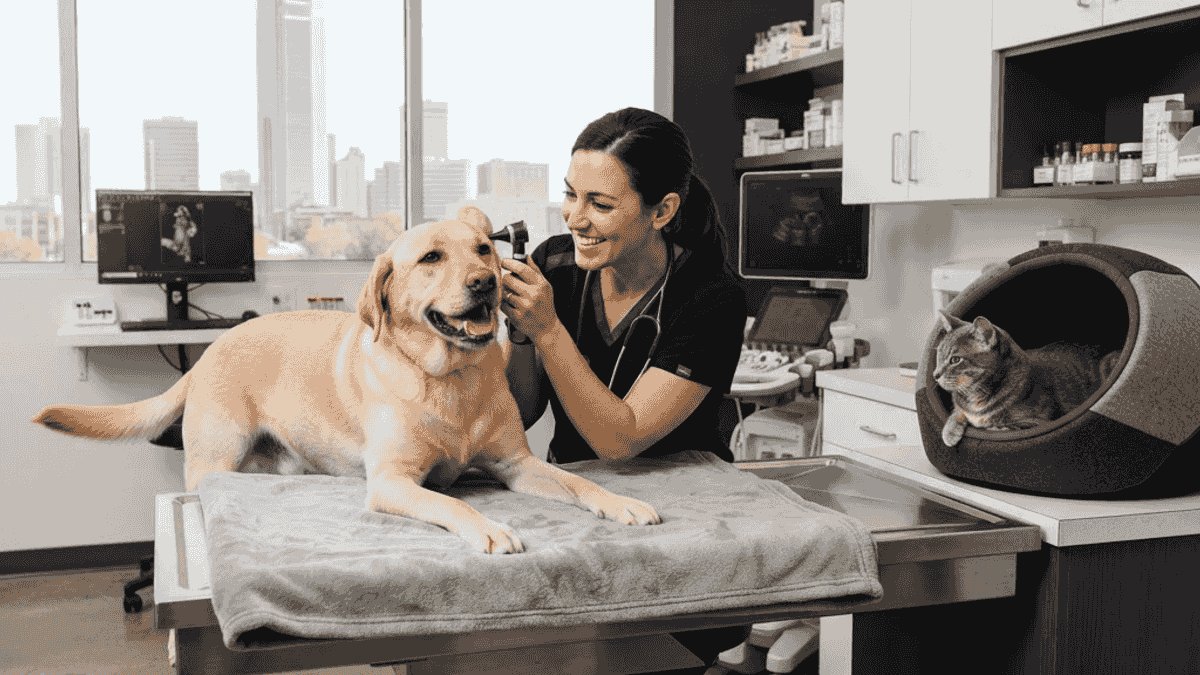
Veterinary care for Oklahoma City pets
A strong veterinary relationship supports an animal through preventive visits, unexpected illness, chronic disease, and senior care. Oklahoma City has general practices, emergency hospitals, specialty referral centers, and clinics with distinctive approaches to fear reduction or species-specific care. Location matters during urgent situations, but clinical capabilities and communication are equally important.
The following clinics are notable across the metro. Services, hours, and staffing can change, so owners should confirm current details and establish routine care before an emergency occurs.
1. Neel Veterinary Hospital
Neel Veterinary Hospital is a long-established Oklahoma City provider known for broad medical capabilities and emergency availability. Its hospital model supports diagnostics, surgery, critical care, and routine services in one setting. This range can be valuable when a pet's condition escalates beyond the capabilities of a small daytime clinic.
2. BluePearl Pet Hospital
BluePearl provides emergency and specialty veterinary care in the Oklahoma City area. Referral hospitals handle complex cases requiring advanced imaging, surgery, internal medicine, or intensive monitoring. Owners should understand that specialty care complements, rather than replaces, the preventive relationship with a primary veterinarian.
3. Oklahoma Veterinary Specialists
Oklahoma Veterinary Specialists serves referred patients needing advanced expertise. Specialty teams collaborate with family veterinarians on complicated diagnoses and treatment plans. This coordinated model helps preserve continuity, with the specialist addressing a focused problem and the primary clinic continuing long-term wellness care.
4. Britton Road Veterinary Clinic
Britton Road Veterinary Clinic is a familiar local practice offering wellness exams, diagnostics, dentistry, and treatment for common medical concerns. Neighborhood clinics build value through long-term records and knowledge of each animal's normal behavior. That history can make subtle changes easier to recognize.
5. Warwick Animal Hospital
Warwick Animal Hospital provides general veterinary medicine for Oklahoma City pets, including preventive care, surgery, and dental services. A full-service practice can guide owners from puppy or kitten visits through adult wellness and age-related monitoring. Ask how the clinic handles urgent calls outside regular hours.
6. Lakeview Pet Hospital
Lakeview Pet Hospital serves companion animals with routine and medical care. Practices of this type are well positioned to emphasize vaccination plans, parasite prevention, nutrition, and early disease detection. Recommendations should be adjusted to the pet's age, lifestyle, travel, and exposure rather than applied identically to every animal.
7. Nichols Hills Veterinary Clinic
Nichols Hills Veterinary Clinic offers small-animal care in a relationship-focused setting. Personalized communication and follow-up are meaningful differentiators when a pet has multiple medications or chronic disease. Owners should look for clear explanations, written instructions, and respectful discussion of costs and options.
8. The Cat Clinic of Norman
Just south of Oklahoma City, The Cat Clinic of Norman is a feline-focused option for owners willing to travel within the metro. Cat-only environments can reduce noise and stress while staff concentrate on feline behavior and medicine. This may benefit cats that become highly distressed around dogs or have complex chronic conditions.
9. Banfield Pet Hospital
Banfield locations provide preventive and general veterinary services through a national network. Wellness plans and standardized records appeal to some mobile households. Owners should compare plan terms carefully and remember that preventive packages are not the same as insurance for unexpected illness or emergency treatment.
10. Midtown Vets
Midtown Vets offers urban pet owners convenient access to general veterinary care. Central location can make routine visits more manageable for residents of downtown and surrounding neighborhoods. Modern city practices often emphasize efficient scheduling, digital communication, and a welcoming experience for both animals and owners.
What separates an excellent clinic
Accreditation, cleanliness, thoughtful handling, and qualified staff are important, but communication often defines the client experience. A good veterinarian explains likely diagnoses, proposed tests, alternatives, expected outcomes, and costs before proceeding when circumstances allow. Clinics should also have clear medication, anesthesia, pain-control, and infection-prevention protocols.
Preventive care should be individualized. Oklahoma's ticks, fleas, mosquitoes, heat, and severe weather create local risks. Heartworm prevention, parasite control, microchipping, secure storm planning, and caution around hot pavement are practical parts of responsible ownership. Senior pets often benefit from more frequent exams and laboratory screening.
Emergency preparation and modern care
Save the nearest emergency hospital information before it is needed and know how to transport an injured animal safely. Difficulty breathing, collapse, uncontrolled bleeding, toxin exposure, repeated unproductive retching, seizures, and inability to urinate can require urgent assessment. Calling ahead allows the hospital to prepare and provide immediate instructions.
Veterinary medicine is advancing through improved imaging, minimally invasive procedures, rehabilitation, pain management, and tele-triage. These tools are most valuable when combined with compassionate clinical judgment. The best Oklahoma City veterinary clinic is one that earns trust over time and can connect the pet to higher-level care when necessary.
Owners can improve every visit by bringing a current medication list, diet details, symptom timeline, and videos of unusual behavior that may not appear in the exam room. Ask for a written care plan and schedule follow-up before leaving. Prepared communication helps the veterinary team make efficient decisions while keeping the animal's comfort and quality of life central.