
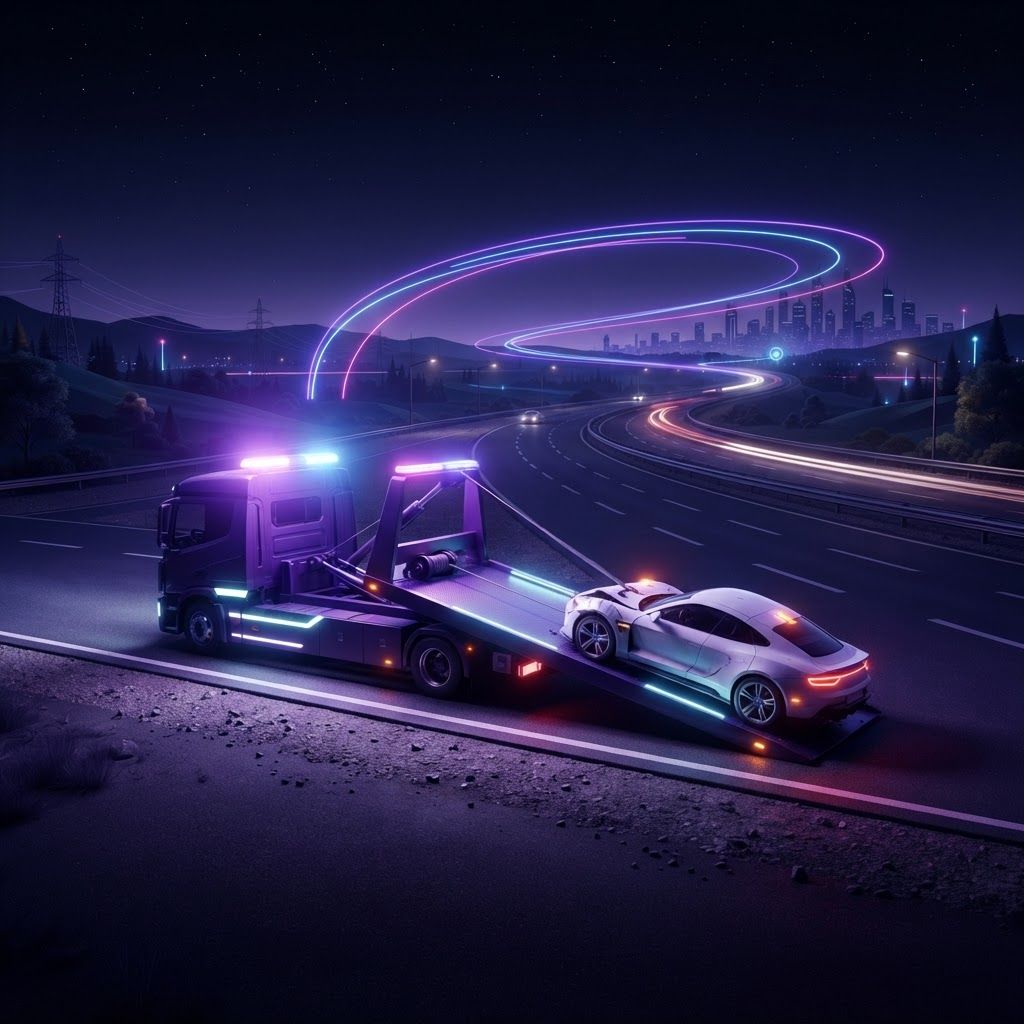
When You Need a Tow on the Treasure Coast
Port St. Lucie's road network puts drivers in situations where towing becomes necessary more often than they expect. Interstate 95 and the Florida Turnpike both cut through the county, generating high-speed breakdowns and collisions. Long distances between neighborhoods mean a disabled vehicle can be far from home. Summer heat causes overheating and battery failures at predictable rates, and hurricane season produces flooding events that strand vehicles in numbers.
The towing market here spans large 24-hour operators with substantial fleets, specialized heavy-duty companies serving commercial trucks, and motor club networks that dispatch contracted providers. Knowing the differences before an emergency saves both money and frustration.
1. 24-Hour Emergency Towing Operators
Full-service local towing companies operating around the clock are the backbone of the market. The best maintain mixed fleets of flatbeds and wheel-lift trucks, dispatch with GPS tracking, provide accurate arrival estimates and quote pricing before dispatch rather than after arrival. Response time within Port St. Lucie city limits from a well-positioned operator should typically fall between twenty and forty-five minutes, longer during storms or peak incident periods.
2. Flatbed Towing Specialists
Flatbed transport is the correct choice for all-wheel-drive vehicles, lowered cars, electric vehicles, luxury vehicles, motorcycles and any vehicle with drivetrain damage. Because the entire vehicle rides on the deck, there is no drivetrain rotation or suspension stress. Any operator handling modern all-wheel-drive vehicles on a wheel lift is risking expensive transmission damage, so specifying flatbed when you call is worth the small additional cost.
3. Roadside Assistance Programs
Motor club memberships and manufacturer roadside programs cover jump starts, tire changes, lockout service, fuel delivery and towing within specified mileage limits. The economics strongly favor membership: an annual fee typically costs less than a single out-of-pocket long-distance tow. Coverage details matter, particularly mileage caps, number of annual service calls and whether the membership covers the person or the vehicle.
4. Heavy-Duty and Commercial Towing
Semi-trucks, box trucks, buses, RVs and construction equipment require heavy-duty wreckers with substantially higher capacity, along with operators trained in air brake systems and load recovery. With logistics and construction activity growing across St. Lucie County, this segment has expanded. Commercial fleet operators typically establish accounts with a preferred heavy-duty provider in advance rather than searching during a breakdown.
5. Motorcycle Towing Services
Motorcycles need specialized equipment including proper wheel chocks, soft straps and either a flatbed or a dedicated motorcycle trailer. Improper strapping causes fork, triple tree and fairing damage that costs far more than the tow. Riders should identify a motorcycle-competent operator before they need one, since general towing companies vary widely in their handling experience.
6. Accident Recovery and Police-Directed Towing
Collision recovery involves cleanup, debris removal, fluid containment and sometimes winching from difficult positions. Vehicles towed at police direction go to designated impound or storage facilities, and daily storage fees accumulate quickly. Vehicle owners should retrieve or authorize transport of a stored vehicle promptly, and should know that they generally have the right to direct where a drivable vehicle is towed when not in a police-mandated situation.
7. Winching and Off-Road Recovery
Recovery from soft sand, mud, canal banks, drainage ditches and flooded roadways requires winch-equipped trucks and skilled operators. This is a common need in a region with abundant waterways, unpaved rural roads and summer flooding. Recovery is priced separately from towing and depends on difficulty, so ask for an assessment before work begins.
8. Long-Distance and Vehicle Transport
Moving a vehicle between cities or states involves transport carriers rather than local tow trucks. Enclosed transport protects classic, exotic and high-value vehicles, while open carriers handle standard transport at lower cost. Seasonal demand spikes when part-year residents relocate vehicles between Florida and northern states, so booking well ahead of the peak months is advisable.
9. Motorcycle and Powersports Recovery for Marine Trailers
Boat trailers, jet ski trailers and utility trailers occasionally need recovery, particularly after tire failures on the way to ramps and inlets. Operators familiar with trailer coupling, tongue weight and boat handling prevent damage that inexperienced drivers cause routinely. Given the region's boating volume, this is a genuinely useful specialization.
10. Municipal and Private Property Towing
Private property towing removes improperly parked vehicles from commercial lots, apartment complexes and homeowner association communities. Florida law imposes specific signage, notification and rate requirements on these operators. Vehicle owners who believe a tow was improper should document signage conditions and request an itemized invoice, since regulatory compliance is enforceable.
How to Avoid Being Overcharged
Ask for total pricing before dispatch, including hook fee, per-mile rate, after-hours surcharge and any storage charges. Confirm the operator is licensed and insured, and verify that damage during transport is covered. Photograph your vehicle before loading, which resolves disputes immediately. Never accept service from an operator who arrives unsolicited at an accident scene, a practice known as chasing that is prohibited and typically accompanied by inflated billing.
Preparation Reduces Emergencies
Keep your motor club number or insurer's roadside line saved in your phone and written in the glovebox. Maintain a functioning spare tire, jack and lug wrench, since many modern vehicles ship without them. Carry water, a flashlight and reflective triangles, because roadside waits in Florida heat are genuinely dangerous. Test your battery annually given the local three-year average lifespan. Most importantly, if you break down on I-95 or the Turnpike, stay in the vehicle with the seatbelt fastened until help arrives rather than standing on the shoulder.