
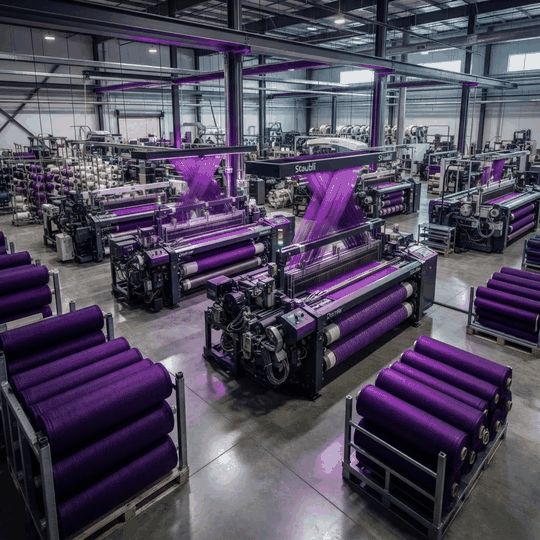
Textile Production in the Oklahoma City Market
Oklahoma City is not a mass-market textile capital, but it has a valuable network of uniform providers, cut-and-sew specialists, promotional apparel businesses, upholstery shops, and industrial fabric experts. Many combine manufacturing with decoration, alterations, installation, or distribution. Buyers should verify which work is completed locally and which products are sourced from partner mills.
1. Oklahoma Shirt Company
Oklahoma Shirt Company is known for locally themed apparel, screen printing, and branded merchandise. Its understanding of Oklahoma identity makes it a strong option for organizations seeking products with regional relevance. Design support and recurring apparel programs are notable differentiators.
2. DNA Galleries
DNA Galleries supports Oklahoma artists and locally inspired goods, including printed apparel and accessories. For buyers interested in small-batch creative products, its connection to the local design community offers a distinct advantage over generic catalog sourcing.
3. MTM Recognition
Oklahoma City-based MTM Recognition produces custom recognition products and branded programs. While broader than textiles, its capabilities can include wearable and fabric-based elements within employee recognition solutions. The company stands out for custom design, program management, and domestic production experience.
4. Cintas
Cintas serves Oklahoma City businesses with uniforms, work apparel, facility products, and managed service programs. Its scale is useful for multi-location employers that need consistent garments, laundering, replacement, and inventory control rather than one-time apparel purchasing.
5. UniFirst
UniFirst provides uniform rental and workplace garment services to a wide range of industries. Local route service, garment maintenance, and wearer-level program management are important benefits for food processing, automotive, industrial, and service organizations.
6. Aramark Uniform Services
Aramark Uniform Services, operating as Vestis, supplies managed workwear and related textile services. Its programs can support safety, brand consistency, and hygiene requirements. Buyers should compare garment durability, service schedules, loss policies, and customization.
7. Alsco Uniforms
Alsco provides uniforms, linens, mats, and washroom textile services. Hospitality, healthcare, food-service, and industrial customers can benefit from recurring pickup and delivery. Process consistency and inventory availability are key selection factors.
8. Local Upholstery Workrooms
Oklahoma City's established upholstery businesses produce and restore cushions, seating, draperies, and custom fabric installations. These specialists are valuable for residential designers, restaurants, offices, hotels, and vehicle owners who need precise fit and material guidance.
9. Marine and Industrial Canvas Specialists
Central Oklahoma canvas shops fabricate covers, enclosures, awnings, shade products, and protective textile components. Their differentiator is technical patterning for outdoor exposure, wind, moisture, abrasion, and repeated use. Material choice matters as much as sewing quality.
10. Custom Embroidery and Screen-Printing Studios
The metro contains numerous independent decorators capable of embroidery, screen printing, heat application, patches, and short-run apparel production. They can be ideal for schools, events, contractors, nonprofits, and emerging brands that value responsiveness and lower quantities.
How to Select a Textile Partner
Request physical samples and evaluate stitching, color consistency, shrinkage, abrasion resistance, and decoration durability. Confirm minimum order quantities, proofing steps, size ranges, lead times, and re-order procedures. For uniforms, consider the full program cost, not merely the garment price.
Trends Shaping Local Textile Services
Demand is growing for shorter production runs, recycled fibers, performance fabrics, online company stores, and traceable sourcing. Oklahoma City's strongest providers often compete through service, customization, and reliable fulfillment rather than commodity volume. That flexibility makes the local market useful for organizations that need accountable partners and products tailored to real working conditions.