
Finding the Best Options in Washington
Washington’s stadium landscape reflects the state’s enthusiasm for professional teams, college traditions, minor-league communities, and dramatic outdoor settings. The best venues pair sightlines and atmosphere with transit access, local food, and a strong sense of place. This guide highlights ten notable names based on specialization, regional relevance, reputation, service breadth, and the qualities that help readers compare choices. “Best” is ultimately personal: location, budget, timing, access, and the exact experience required should shape the final decision.
Washington is not a single uniform market. Conditions in Seattle and the Puget Sound corridor differ from Spokane, the Columbia Basin, the coast, and smaller mountain communities. Readers should therefore treat this list as a researched starting point and match each option to their own city, priorities, and expected level of support.
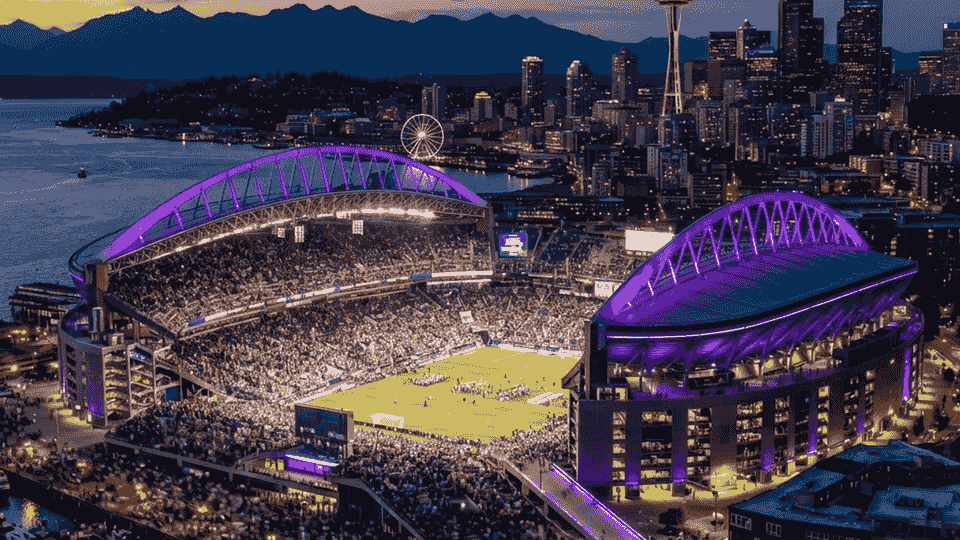
1. Lumen Field
Seattle’s downtown football and soccer landmark is renowned for steep seating, crowd energy, and views toward the city. It hosts the Seahawks, Sounders FC, major concerts, and international events. What makes this option notable is the way its specialty responds to Washington customers, whether that means wet-weather durability, urban convenience, mountain access, or informed local service. Prospective customers should still confirm current availability, scope, access requirements, and policies directly before making a decision.
2. T-Mobile Park
Home of the Seattle Mariners, this retractable-roof ballpark balances open-air baseball with protection from rain. Excellent food variety and skyline context make it a destination beyond the game. What makes this option notable is the way its specialty responds to Washington customers, whether that means wet-weather durability, urban convenience, mountain access, or informed local service. Prospective customers should still confirm current availability, scope, access requirements, and policies directly before making a decision.
3. Husky Stadium
Set beside Lake Washington on the University of Washington campus, Husky Stadium offers one of college football’s most scenic approaches and an intense game-day atmosphere. What makes this option notable is the way its specialty responds to Washington customers, whether that means wet-weather durability, urban convenience, mountain access, or informed local service. Prospective customers should still confirm current availability, scope, access requirements, and policies directly before making a decision.
4. Gesa Field
Washington State University’s Pullman stadium puts spectators close to the action and embodies Palouse college tradition. Autumn games pair energetic crowds with a distinctive regional setting. What makes this option notable is the way its specialty responds to Washington customers, whether that means wet-weather durability, urban convenience, mountain access, or informed local service. Prospective customers should still confirm current availability, scope, access requirements, and policies directly before making a decision.
5. Spokane Veterans Memorial Arena
A flexible indoor arena hosting the Spokane Chiefs, tournaments, concerts, and community events. Its central location and adaptable bowl make it an eastern Washington anchor. What makes this option notable is the way its specialty responds to Washington customers, whether that means wet-weather durability, urban convenience, mountain access, or informed local service. Prospective customers should still confirm current availability, scope, access requirements, and policies directly before making a decision.
6. Funko Field
The Everett AquaSox ballpark delivers intimate minor-league baseball where fans remain close to players and on-field promotions. It is approachable for families and casual summer outings. What makes this option notable is the way its specialty responds to Washington customers, whether that means wet-weather durability, urban convenience, mountain access, or informed local service. Prospective customers should still confirm current availability, scope, access requirements, and policies directly before making a decision.
7. Cheney Stadium
Tacoma’s historic ballpark, home to the Rainiers, combines long local history with modernized amenities. Its compact scale preserves the social appeal of minor-league baseball. What makes this option notable is the way its specialty responds to Washington customers, whether that means wet-weather durability, urban convenience, mountain access, or informed local service. Prospective customers should still confirm current availability, scope, access requirements, and policies directly before making a decision.
8. ONE Spokane Stadium
A modern central Spokane venue serving professional and school sports. Its urban location and multipurpose design create a shared stage for soccer, football, and community events. What makes this option notable is the way its specialty responds to Washington customers, whether that means wet-weather durability, urban convenience, mountain access, or informed local service. Prospective customers should still confirm current availability, scope, access requirements, and policies directly before making a decision.
9. ShoWare Center
Located in Kent, this arena hosts the Seattle Thunderbirds along with sports, entertainment, and civic gatherings. The smaller indoor format creates immediate energy and convenient regional access. What makes this option notable is the way its specialty responds to Washington customers, whether that means wet-weather durability, urban convenience, mountain access, or informed local service. Prospective customers should still confirm current availability, scope, access requirements, and policies directly before making a decision.
10. Memorial Stadium Seattle
Positioned at Seattle Center, Memorial Stadium has long served school athletics, soccer, and public events. Its evolving role and central setting connect community sport with the city’s cultural campus. What makes this option notable is the way its specialty responds to Washington customers, whether that means wet-weather durability, urban convenience, mountain access, or informed local service. Prospective customers should still confirm current availability, scope, access requirements, and policies directly before making a decision.
How to Choose the Right Fit
Event experience changes by season and seating area, so consider weather exposure, transit, entry rules, and accessibility before attending. Arriving early leaves time to explore surrounding districts and venue-specific features. Strong providers are willing to explain what they do well, where limitations exist, and what a customer should expect next. Compare several suitable options using the same criteria so that price, quality, convenience, and long-term value remain visible.
Reputation matters, but recent and relevant evidence matters more than a famous name alone. Look for consistency in workmanship or product quality, knowledgeable communication, transparent policies, and experience with the exact service or activity you need. Availability can vary by city and season across Washington, so planning ahead is especially important for weather-sensitive work, outdoor recreation, and major events.
Washington Trends to Watch
Across the state, customers increasingly value sustainability, durable design, digital convenience, and personalized expertise. Businesses are responding with clearer project tracking, better product education, more adaptable services, and solutions designed for local climate and lifestyles. At the same time, buyers are paying closer attention to lifecycle value rather than selecting solely on the lowest initial price.
Regional growth is also raising expectations. Seattle-area consumers often prioritize scheduling and space efficiency, while communities east of the Cascades may place greater weight on heat, wind, travel distance, and seasonal availability. The most compelling Washington organizations recognize these differences instead of relying on a one-size-fits-all approach.
Final Thoughts
The ten names above represent a varied cross-section rather than a rigid universal ranking. Each has a distinct strength, from specialist knowledge and local heritage to broad capabilities or memorable customer experiences. Create a shortlist, verify current details, and choose the option that best aligns with your location, goals, standards, and budget.