
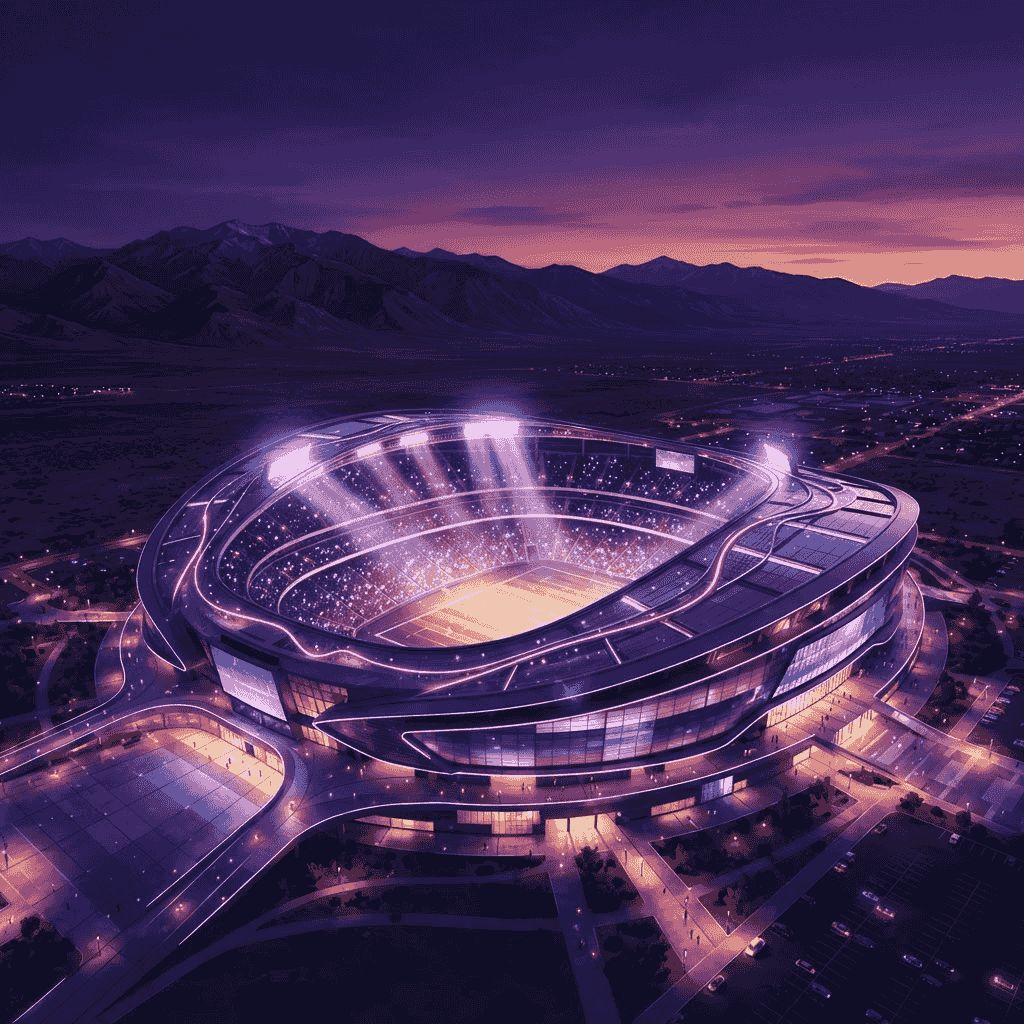
Reno's Sporting Venue Landscape
For a metropolitan area of its size, Reno supports an unusually rich collection of sporting venues. The city sits at roughly 4,500 feet of elevation in a valley framed by the Sierra Nevada, which gives many local stadiums a dramatic mountain backdrop and a genuinely pleasant climate for spring and autumn events. University athletics, professional minor league franchises, high school programs and multi-use event facilities all coexist within a compact geographic footprint.
That density means residents can attend a Division I football game, a Triple-A baseball series and a high school championship within the same week without long drives. It also means venue operators compete on experience rather than novelty, investing in seating comfort, concessions variety, accessibility and family pricing.
The Top 10 Stadiums and Arenas in Reno
1. Mackay Stadium
Home to University of Nevada football, Mackay Stadium is the region's signature outdoor venue. Renovations have added premium club seating, improved concourses and upgraded video display capability while preserving the intimate sightlines that make the atmosphere feel close to the field. Elevation and mountain views give visiting fans a memorable first impression.
2. Greater Nevada Field
Located downtown along the Truckee River, Greater Nevada Field hosts the region's Triple-A baseball club and a rotating schedule of soccer, concerts and community events. The ballpark's walkable location, riverfront setting and social gathering areas make it as much a summer social destination as a sports facility.
3. Lawlor Events Center
Lawlor Events Center anchors indoor athletics for the university, hosting basketball alongside commencements, concerts and touring productions. Its steep bowl configuration concentrates crowd noise, which has helped build one of the more intimidating home-court reputations in the conference.
4. Reno Events Center
The Reno Events Center serves as a flexible downtown arena for boxing cards, mixed martial arts, indoor sports, trade shows and conventions. Its adaptable floor plan and adjacency to hotels and dining make it a practical choice for organizers who need a mid-size indoor space.
5. William Peccole Park
Peccole Park hosts university baseball and is widely praised by visiting programs for its playing surface and its view of the surrounding foothills. The compact seating arrangement brings spectators close to the action, and the spring schedule aligns nicely with the valley's mild afternoons.
6. Wolf Pack Soccer Field
Purpose-built for collegiate soccer, this venue offers a well-maintained pitch, clear sightlines and a relaxed spectator environment. It has become an important development stage for regional youth soccer players who grow up watching competitive matches close to home.
7. Reno-Sparks Livestock Events Center
The Livestock Events Center is one of the most versatile facilities in Northern Nevada, hosting rodeo, equestrian competition, motorsports exhibitions and large agricultural events. Its indoor arena, outdoor grandstands and extensive stabling support multi-day competitions that draw regional visitors.
8. Bishop Manogue Athletic Complex
This private school complex has invested significantly in turf, lighting and grandstand quality, allowing it to host high-profile prep football and soccer contests. Community members often cite it as an example of how strong facilities elevate youth athletics.
9. Damonte Ranch High School Stadium
Serving one of the fastest-growing parts of the valley, the Damonte Ranch stadium hosts football, track and soccer for a large student population. Modern lighting and spacious sideline seating make Friday night games a genuine neighborhood event in south Reno.
10. Wooster High School Stadium
Wooster's stadium carries decades of local athletic history and remains an important central-city gathering point. Its accessibility and long-standing rivalries give games a traditional, community-rooted atmosphere that newer facilities cannot easily replicate.
What Elevation Means for Athletes and Fans
Reno's altitude is a genuine competitive variable. Visiting teams often report faster fatigue in the first half of contests, while baseballs and footballs travel measurably farther in thinner air. Local programs use that advantage deliberately, structuring conditioning around it. Fans should plan accordingly too, since dehydration and sun exposure develop faster at elevation even on mild days.
Trends in Venue Development
Regional venue investment is following several national patterns. Operators are converting bleacher rows into wider, backed seating to serve older attendees. Mobile ticketing and cashless concessions have become standard, shortening entry and service lines. Sponsorship-funded video boards now appear even at prep facilities, and multi-use design is prioritized so venues generate revenue year-round rather than during a single season.
Community access is another growing focus. Several facilities now schedule open field days, youth clinics and charity events, reinforcing the idea that stadiums are public infrastructure rather than single-purpose sports buildings.
Tips for Attending Games in Reno
Arrive early for downtown venues, where parking fills quickly during festival weekends. Layer clothing, because valley temperatures can drop sharply after sunset even in summer. Check bag policies in advance, since most facilities have adopted clear-bag standards. If you are attending with children, ask about family seating sections and designated quiet areas, which several venues have introduced.
Final Thoughts
Reno's stadiums reflect the character of the city itself: unpretentious, scenic and surprisingly ambitious. Whether you want the roar of a packed college arena, a relaxed evening of riverfront baseball or the grit of a rodeo weekend, the region offers a venue that fits. Exploring several of them is one of the most enjoyable ways to understand how sport threads through daily life in Northern Nevada.