
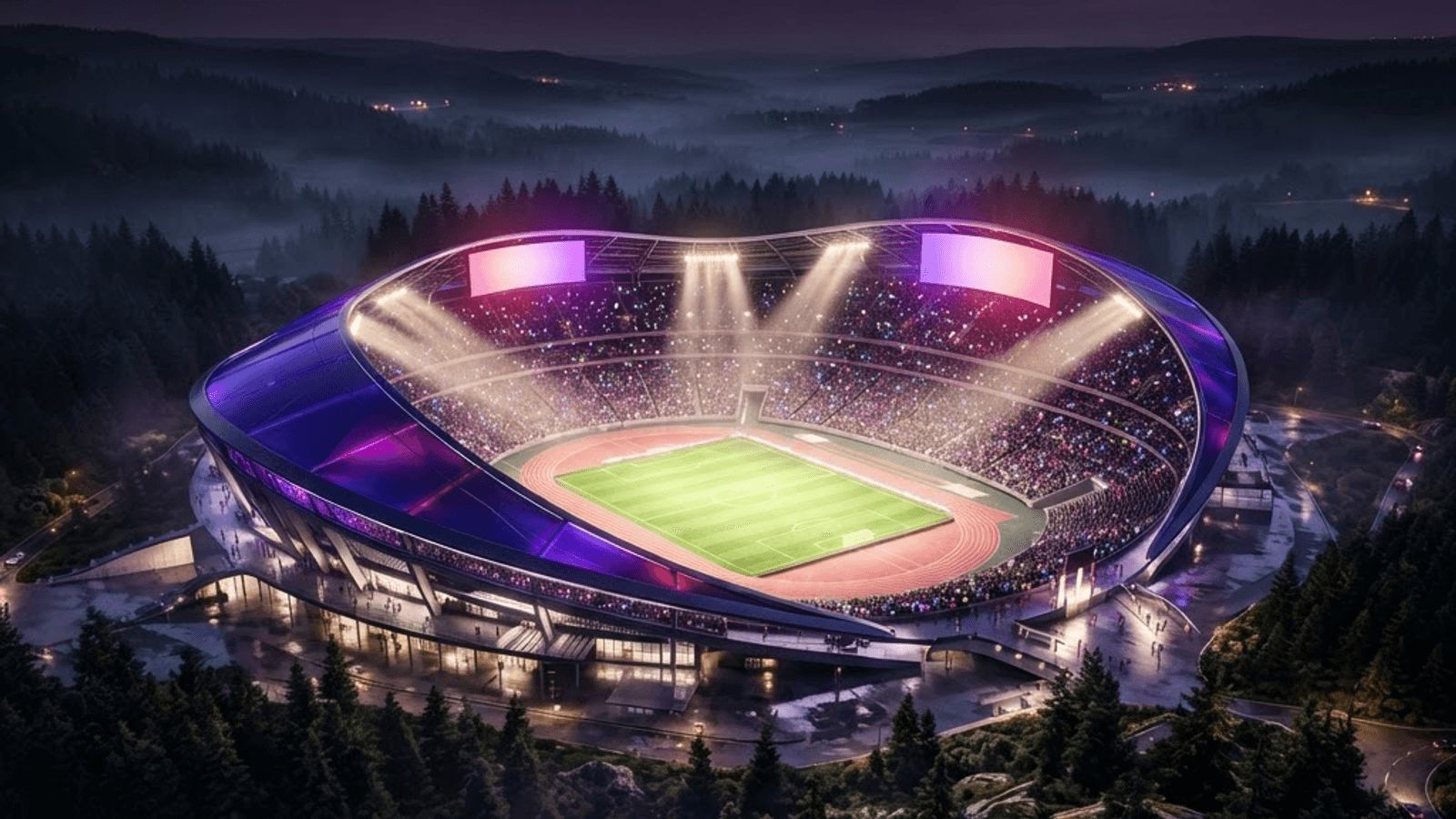
A Small City With Outsized Sports Architecture
Few cities of Eugene's size host world championship events, sell out sixty thousand seat football Saturdays, and maintain a professional baseball park within a few miles of each other. Eugene's identity as TrackTown USA is not marketing language but an accurate description of a community where distance running culture, university athletics, and civic investment have produced a remarkable concentration of sports venues. The city has hosted the World Athletics Championships, multiple Olympic Trials, and NCAA championships, and its stadiums reflect that pedigree. For residents and visitors alike, understanding these venues is understanding a significant part of how Eugene sees itself.
The Ten Venues That Define Eugene Sport
1. Hayward Field
The most storied track and field venue in the United States, rebuilt and reopened as a stunning modern facility that preserves the spirit of the original while delivering world-class competition infrastructure. The distinctive oval canopy, the tower honoring Oregon's track legacy, and the intimacy of the seating bowl create an atmosphere that athletes consistently describe as unlike anywhere else. It has hosted Olympic Trials, NCAA championships, the Prefontaine Classic, and the World Athletics Championships, making it the beating heart of American distance running.
2. Autzen Stadium
Home to Oregon Ducks football, Autzen is famous nationally for crowd noise that belies its capacity. The steep seating bowl, the enclosed design, and a fan base that treats Saturdays as a civic obligation combine to produce a decibel environment visiting teams genuinely dread. Renovations over the years have added premium seating and modern amenities while preserving the compact intensity that makes the venue distinctive.
3. Matthew Knight Arena
The university's basketball venue is architecturally ambitious, featuring a striking exterior, a dramatic interior bowl, and the widely photographed court design inspired by the surrounding forest. Beyond basketball, the arena hosts concerts, commencement ceremonies, and community events, making it one of the region's most versatile large indoor spaces.
4. PK Park
A modern baseball facility serving as home to Oregon Ducks baseball and the Eugene Emeralds. Comfortable sightlines, a relaxed atmosphere, and a setting adjacent to Autzen create one of the more pleasant summer evening experiences in the city. The park has become central to the community's minor league baseball tradition.
5. Jane Sanders Stadium
The softball facility built for Oregon's program is widely regarded as one of the finest in college softball, combining an intimate seating bowl with excellent player facilities. Named to honor a significant figure in Oregon athletics, the stadium reflects the university's commitment to women's sports and regularly hosts postseason competition.
6. Papé Field
The soccer and lacrosse venue on the university campus provides a dedicated home for Oregon soccer with natural grass, quality sightlines, and a scale that keeps spectators close to the action. Regional tournaments and youth competitions also use the facility.
7. Civic Park
A community-driven redevelopment of the historic Civic Stadium site, this facility serves as home to Lane United and hosts youth and amateur competition alongside community programming. The project is notable as a case study in civic organizing, funded and realized through sustained local effort after the original grandstand was lost.
8. Lane Community College Titan Court
The college's indoor athletic venue supports basketball and volleyball competition along with community recreation. Accessible and well maintained, it plays an important role in the region's junior college and amateur sports ecosystem.
9. Bowerman Family Building and Track Complex
Supporting the training infrastructure that surrounds Hayward Field, this complex provides athletes with year-round facilities. Its existence is a major reason elite distance runners continue to base themselves in Eugene, and it underpins the training culture that produces the performances the city is known for.
10. Springfield Silke Field
Just across the river, this multipurpose stadium serves high school football, soccer, and track in the Springfield community. It represents the grassroots layer of the region's sports infrastructure, where many athletes who eventually compete at Hayward and Autzen first develop.
What Makes the Eugene Venue Experience Distinct
Several qualities recur across these facilities. Scale is human rather than overwhelming, with seating bowls that keep spectators close to competition. Design frequently references the surrounding landscape, using wood, forest imagery, and forms that echo the valley setting. Access is comparatively easy, with many venues reachable by bike path along the Willamette River, which suits a city where cycling is genuinely practical transportation. And the crowds bring knowledge, particularly at track events where spectators understand pacing, splits, and tactics at a level rarely found elsewhere.
Planning a Visit
For major events at Hayward or Autzen, arrive early because parking near campus is limited and traffic patterns change significantly on event days. The riverside bike path network offers a genuinely faster option for many trips. Dress for variable weather, since valley conditions can shift from sun to rain within an afternoon during much of the competitive calendar. Check bag policies in advance, as the larger venues enforce clear bag requirements for major events.
The Broader Economic and Cultural Impact
These venues do more than host games. Major championships at Hayward Field bring international visitors, fill hotels across Lane County, and generate substantial economic activity. Autzen Saturdays support restaurants, breweries, and retail throughout the city. The Emeralds provide affordable family entertainment through the summer months. Perhaps most importantly, the presence of world-class facilities keeps youth athletics aspirational in a way that has measurable effects, feeding a pipeline of local runners, players, and coaches. Eugene's stadiums are infrastructure in the fullest sense, shaping the city's economy, identity, and daily life well beyond the hours when competition is actually underway.