
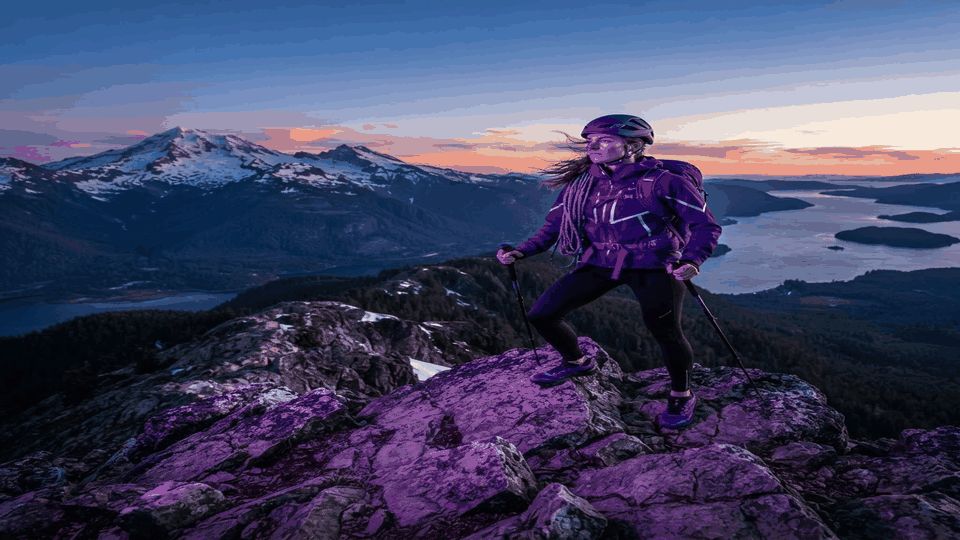
Gear Built for an Active State
Washington supports year-round movement, from running along Lake Washington to climbing in the Cascades, paddling Puget Sound, skiing near Mount Baker, and playing team sports in community parks. Conditions can change quickly, making fit, layering, weather resistance, and durability more important than flashy features. The brands below include companies founded in the state and established names widely trusted by Washington athletes. No single manufacturer is best for every body or activity. Try technical products in realistic conditions, seek qualified fitting help, and prioritize safety standards over appearance.
1. Outdoor Research
Seattle-based Outdoor Research understands wet, windy, and alpine conditions. Its gloves, shells, gaiters, hats, and technical layers are common among climbers, hikers, skiers, and outdoor professionals. The brand's strength is problem-solving equipment designed around exposure and movement rather than casual fashion alone. Washington users may especially value breathable rain protection and accessories that manage cold precipitation. Fit differs by product, so layering pieces should be tried together. Outdoor Research stands out as a genuinely local technical brand shaped by the terrain on Washington's doorstep.
2. Brooks Running
Brooks Running, headquartered in Seattle, focuses intensely on running footwear and apparel. Its road and trail shoes cover different cushioning levels, stability needs, and training purposes, while specialty retailers often use Brooks models during professional fittings. The best shoe is determined by comfort, gait, terrain, and training load rather than marketing categories alone. Washington runners benefit from options suited to wet pavement and varied mileage. Brooks' narrow focus is a differentiator: instead of serving every sport, it channels research and product development into running experiences for a wide range of athletes.
3. REI Co-op
Seattle-founded REI Co-op combines its own gear line with a broad multi-brand retail assortment. REI-branded tents, packs, apparel, bicycles, and camp furniture often deliver a thoughtful balance of performance and price. Stores also provide an opportunity to compare products, obtain fitting help, and learn about regional activities. Membership services and used-gear initiatives can extend value and product life. Serious specialists may select niche manufacturers for particular objectives, but REI Co-op remains one of Washington's most useful starting points for building a reliable outdoor kit.
4. Cascade Designs
Seattle's Cascade Designs family is associated with influential outdoor equipment brands including Therm-a-Rest, MSR, and Platypus. Across sleep systems, camp stoves, water treatment, cookware, and hydration, the company addresses core backcountry needs. Washington backpackers know that sleep quality, safe water, and dependable cooking equipment can determine whether a trip remains comfortable. Product choices should reflect group size, season, elevation, and trip length. The company's long regional history and concentration on essential systems give it credibility among users who value field-tested function over decorative extras.
5. K2 Sports
K2 has roots in Washington and a long history in skiing and snowboarding. Its equipment spans skis, boards, boots, bindings, helmets, and related winter products across recreational and advanced categories. For Washington snow sports, matching equipment to ability, terrain, and typical snow conditions matters greatly. Professional boot fitting may improve comfort and control more than an expensive upgrade elsewhere. K2's Northwest heritage remains central to its identity, and its broad winter range allows riders to build coordinated setups while still comparing components on individual merit.
6. evo
Seattle-based evo is a retailer and lifestyle brand strongly connected to skiing, snowboarding, cycling, and action sports. Its value lies in curated equipment, knowledgeable staff, service capabilities, and community-oriented spaces. Washington customers can compare technical products and obtain practical setup advice before heading to local mountains or trails. The company also supports travel and experiences, giving it a wider role than a typical store. Selection leans toward enthusiast categories, making evo especially relevant for athletes who want informed guidance and a culture built around participation.
7. Nike
Nike's proximity in neighboring Oregon and extensive Washington presence make it a major option for running, basketball, soccer, training, and sportswear. Its broad research resources and athlete feedback support frequent innovation in footwear and apparel. Washington consumers benefit from deep category choice, but the volume of releases can encourage unnecessary purchases. Fit and intended use should guide decisions. A basketball shoe, trail runner, and lifestyle sneaker solve different problems even when they share branding. Nike is strongest when shoppers select from its technical depth rather than buying on visibility alone.
8. Patagonia
Patagonia is widely used across Washington for climbing, hiking, surfing, fishing, snow sports, and everyday layering. Durable construction, repair culture, and environmental advocacy distinguish the company in a state where conservation is a prominent value. Its shells, fleece, insulation, and packs are generally positioned at premium prices, but long use can improve lifetime value. Shoppers should avoid overbuying and choose layers that integrate with existing gear. Patagonia's combination of technical competence and corporate activism resonates with many Washington consumers, although performance and fit should remain the final criteria.
9. The North Face
The North Face offers an extensive spectrum from expedition equipment to accessible everyday outerwear. For Washington residents, waterproof shells, insulated layers, trail footwear, tents, and packs are the most relevant categories. The breadth helps families outfit multiple activities, but shoppers should distinguish technical lines from lifestyle-focused pieces. Features such as hood compatibility, ventilation, seam sealing, and pack fit matter in real conditions. The brand's widespread availability makes sizing and replacement convenient, while its high-performance heritage provides options for athletes progressing into more demanding environments.
10. Specialized
Specialized is a major cycling brand serving road, mountain, gravel, commuter, and electric bicycle categories. Washington's network of urban bike routes, forest roads, and mountain trails gives riders many reasons to seek specialized equipment and local dealer support. Bicycle fit, maintenance access, and terrain suitability are more consequential than headline specifications. Helmets and protective equipment should meet current safety standards and be replaced after significant impact. The brand's broad ecosystem can simplify compatibility, while independent Washington bike shops add essential setup knowledge and ongoing service.
Buying Smarter Sports Equipment
Begin with the activity, frequency, environment, and honest skill level. Rent or demo expensive equipment before committing, particularly skis, boards, boats, and premium bicycles. Spend first on fit and safety: footwear, helmets, weather protection, and packs affect every outing. Washington's wet climate rewards breathable layers, careful drying, and regular maintenance. Used gear can provide excellent value when structural condition is verifiable, but safety-critical products require caution. The strongest kit is a coherent system, not a collection of famous logos. Choose equipment that reduces friction, supports progression, and makes it easier to participate consistently.