
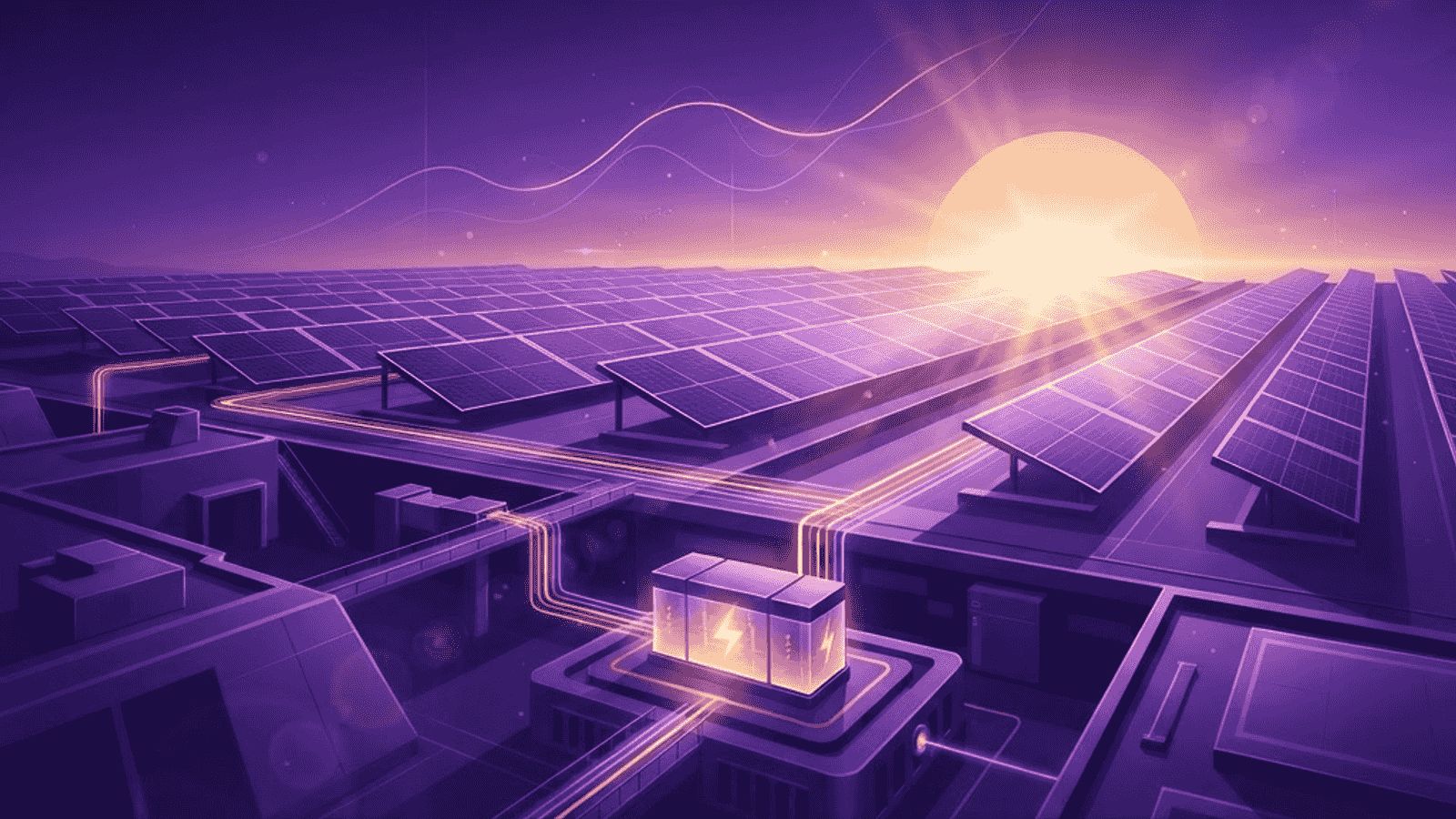
Why Solar Works Well in Irvine
Irvine receives strong, consistent solar irradiance across most of the year, and its predominantly modern building stock features roof structures and electrical systems that accommodate photovoltaic systems more easily than older housing in other regions. Combine that with commercial and residential electricity rates well above national averages and you have conditions that produce genuinely attractive economics for well-designed systems.
The city's master-planned character adds a wrinkle worth understanding. Many neighborhoods are governed by homeowner associations with architectural guidelines, and while California law substantially limits an association's ability to prohibit solar installations, associations may impose reasonable aesthetic conditions. Experienced local installers know how to navigate these approvals efficiently, which can be the difference between a four-week and a four-month project timeline.
How Solar Economics Actually Work
Understanding the financial mechanics prevents disappointment. California's current net billing framework compensates exported energy at rates that vary by hour and season, and typically well below retail. This means self-consumption is far more valuable than export, which in turn means battery storage has become central rather than optional for maximizing savings. Systems designed under older assumptions may substantially underperform expectations.
Federal tax incentives continue to influence returns, and commercial owners can additionally benefit from accelerated depreciation. Financing choice matters too. Cash purchase produces the strongest lifetime return, loans preserve capital while retaining ownership benefits, and third-party arrangements shift maintenance responsibility but generally reduce total savings. A quality installer will model all applicable options against your actual usage data rather than a generic profile.
The Top 10 Solar Energy Companies in Irvine
1. Spectrum Solar Group. A leading residential and commercial installer, this company is recognized for detailed engineering, in-house installation crews rather than subcontracted labor, and thorough post-installation monitoring and support.
2. Barranca Solar and Storage. Specializing in solar paired with battery systems, this company designs installations optimized for time-of-use arbitrage and backup resilience, with particular expertise in whole-home backup configurations.
3. Von Karman Commercial Solar. Focused on commercial rooftops, carports, and ground-mounted systems, this company serves office parks, industrial facilities, and retail centers, and it handles utility interconnection for larger interconnection classes.
4. Woodbridge Residential Solar. This installer concentrates on single-family homes within master-planned communities, and it is known for smooth homeowner association approval processes and clean, low-profile installations.
5. Turtle Rock Energy Systems. Combining solar with efficiency work, this company performs energy audits before design, often reducing system size requirements through envelope, HVAC, and lighting improvements.
6. Culver Solar Engineering. A design-focused firm, Culver provides engineering and permitting services for complex installations, including structural reinforcement, shading mitigation, and multi-building campus layouts.
7. Portola Solar Maintenance Group. Rather than new installation, this company specializes in operations and maintenance, performing panel cleaning, inverter replacement, monitoring diagnostics, and repair of systems abandoned by defunct installers.
8. Quail Hill Multifamily Solar. This company addresses apartment and condominium properties, handling the metering complexity of common area versus tenant allocation and virtual net metering arrangements.
9. Sand Canyon Solar Carports. Focused on parking structures, this company builds solar canopies that generate power while providing shade and integrating electric vehicle charging, a strong fit for Irvine's large surface parking inventory.
10. Great Park Solar Consultants. Rounding out the list, this independent advisory firm reviews proposals, verifies production modeling, and represents property owners in installer selection without selling equipment itself.
Industry Trends
Module efficiency continues to improve incrementally, with high-efficiency panels now producing meaningfully more output from the same roof area than products available a few years ago. This matters most on constrained roofs where every square foot counts.
Battery integration has become the defining trend. Systems that include storage can shift generation into expensive evening hours, provide outage protection, and in some cases participate in utility programs that pay for dispatchable capacity. Installers who understand these programs can add revenue that pure generation systems cannot capture.
Electrification is driving system sizing upward. Homes adding heat pumps, induction cooking, and electric vehicle charging consume substantially more electricity than they did five years ago, and good design anticipates that trajectory rather than sizing to current usage alone.
How to Evaluate Solar Proposals
Insist on comparing proposals on consistent assumptions. Request the production estimate in kilowatt-hours per year, the specific equipment models proposed, the assumed degradation rate, the escalation rate applied to utility costs, and the total cost before and after incentives. Proposals that project aggressive utility rate increases can make weak systems appear attractive.
Verify credentials thoroughly. Confirm contractor licensing, workers compensation coverage, and general liability insurance. Ask how long the company has operated under its current name, because the solar industry has seen substantial turnover and warranties are only as good as the entity standing behind them. Request local references with systems at least three years old.
Finally, read the workmanship warranty carefully and separately from equipment warranties. Roof penetrations are the most common source of long-term problems, and a robust workmanship guarantee covering leaks is a strong signal of installation quality.
The companies highlighted here have built reputations in Irvine through durable installations and responsive service after the sale. That second quality, service after commissioning, is what separates a good solar decision from an expensive regret.