
Feeding a Metropolitan Region
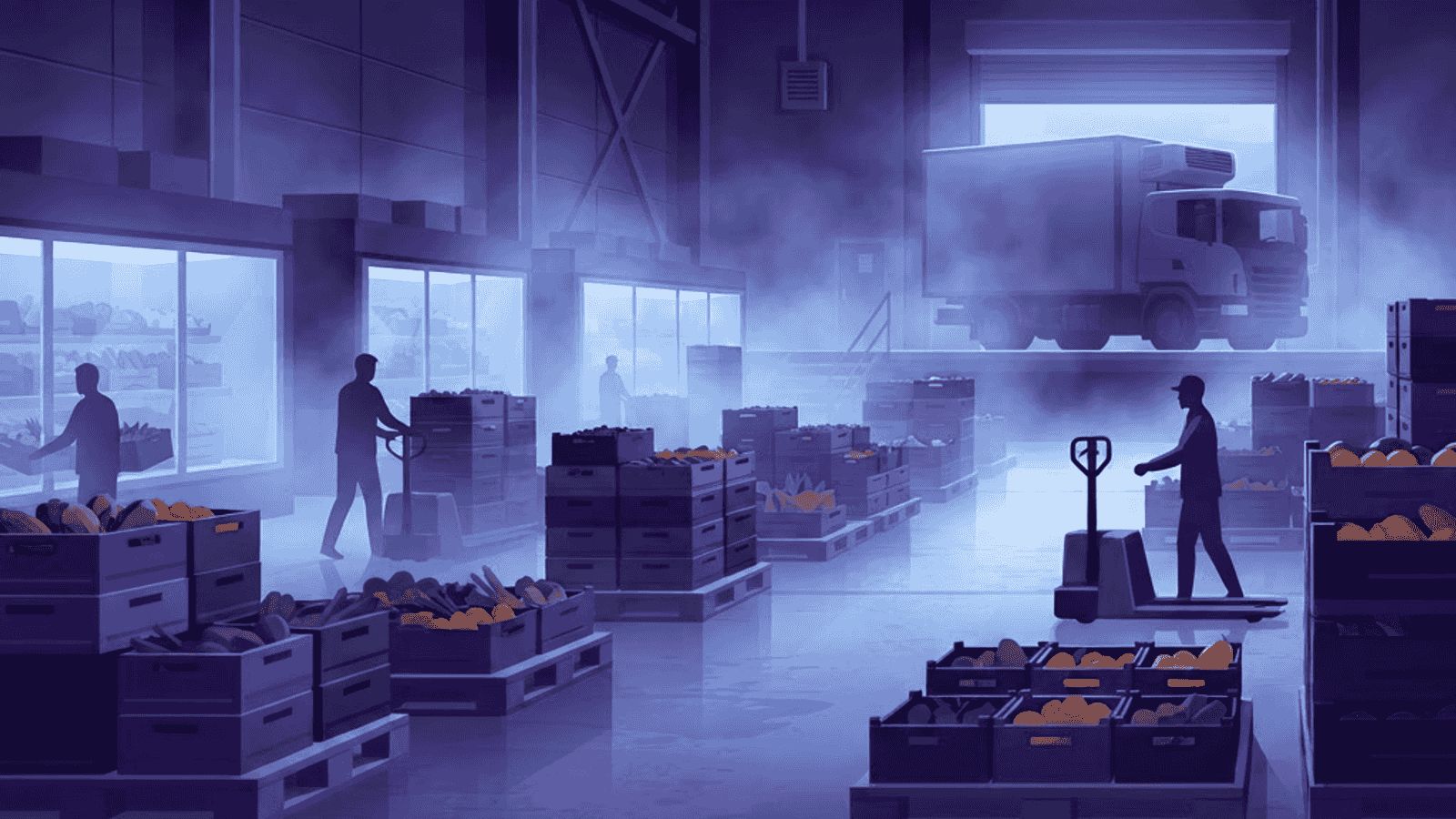
Newark occupies a strategic position in one of the most demanding food distribution markets in the world. The port receives imported produce, seafood, cheese, oils, and packaged goods. Cold storage warehouses in the surrounding industrial districts hold frozen and refrigerated inventory. Distribution fleets fan out daily to restaurants, corner stores, hospitals, schools, and grocers throughout northern New Jersey and beyond.
The city's own food economy adds another layer of demand. Newark's neighborhoods support an extraordinary range of cuisines, and the restaurants and markets serving Portuguese, Brazilian, Caribbean, West African, and Latin American communities need specialized ingredients that broadline distributors do not always carry. This has sustained a robust ecosystem of ethnic and specialty wholesalers alongside the large national players.
The Top 10 Food Wholesalers Serving Newark
1. Sysco
One of the largest broadline foodservice distributors, Sysco supplies restaurants and institutions with a comprehensive catalog spanning proteins, produce, dry goods, disposables, and equipment. Its ordering technology and consistent delivery scheduling suit operators who want a single primary supplier.
2. US Foods
US Foods provides broadline distribution along with menu development support, food cost analysis, and business consulting. These value-added services matter to independent restaurants managing thin margins without in-house purchasing expertise.
3. Performance Food Group
PFG serves restaurants, convenience stores, and institutional customers with both broadline and specialized distribution. Its multi-segment approach lets operators consolidate categories that would otherwise require separate vendors.
4. Baldor Specialty Foods
Baldor focuses on fresh produce and specialty items for the metropolitan market, serving chefs who need quality and variety beyond standard offerings. Overnight ordering with early morning delivery supports kitchens that menu according to what is best that day.
5. Restaurant Depot and Cash-and-Carry Wholesalers
Cash-and-carry warehouses allow operators to buy without minimums or delivery scheduling. Small restaurants, caterers, and food trucks rely heavily on this model for flexibility and immediate availability.
6. Seafood Wholesalers and Fish Distributors
Given port access and strong regional demand, seafood distribution is a significant local sector. Handling fresh fish requires rigorous temperature control, rapid turnover, and reliable sourcing documentation.
7. Meat and Poultry Purveyors
Specialty butchers and protein distributors provide custom cutting, portioning, and aging services that broadline suppliers typically cannot match. Restaurants with specific specification requirements often maintain a dedicated protein purveyor.
8. Ethnic and International Food Distributors
Wholesalers specializing in Latin American, Caribbean, West African, Portuguese, Asian, and Middle Eastern products serve Newark's diverse restaurants and grocers. Their sourcing expertise and import relationships are difficult to replicate.
9. Bakery and Dairy Distributors
Daily delivery of bread, pastry, milk, and dairy products requires tight logistics because shelf life is short. Regional bakeries and dairy distributors operate on early morning routes built around freshness.
10. Beverage and Coffee Distributors
Distributors supplying soft drinks, juices, coffee, and non-alcoholic beverages often provide equipment, dispensing systems, and service alongside product. Coffee programs in particular combine product, equipment, and training.
How Food Distribution and Cold Chain Work
Food distribution is fundamentally a temperature and time problem. Frozen products must stay consistently frozen, refrigerated goods must remain within a narrow range, and any excursion shortens shelf life or creates safety risk. Distribution centers maintain separate temperature zones, and delivery trucks use multi-compartment refrigeration to carry frozen, chilled, and dry goods on the same route.
Food safety regulation governs every stage. Preventive controls, sanitary transportation requirements, allergen management, and traceability records are legal obligations, and reputable distributors maintain third-party audit certifications that customers can request.
Traceability has become considerably more sophisticated. Lot-level tracking allows a distributor to identify precisely which customers received product from a specific production batch, which makes recalls faster and far narrower in scope.
Trends in Food Wholesaling
Labor constraints in restaurant kitchens have increased demand for value-added products such as pre-cut produce, portioned proteins, and prepared components. These cost more per pound but reduce labor hours and waste.
Local and traceable sourcing continues gaining importance. Distributors increasingly identify regional farms and producers, and institutional buyers such as schools and hospitals often have local purchasing targets written into contracts.
Technology has reshaped ordering. Mobile ordering platforms, inventory integration with point-of-sale systems, and usage analytics help operators control food cost with far more precision than paper order guides allowed.
Waste reduction has become both an economic and environmental priority. Better forecasting, donation programs for surplus, and organics diversion reduce disposal cost and align with tightening regulation on food waste.
What Buyers Should Evaluate
Compare total cost rather than case price. Delivery frequency, minimum order requirements, fuel surcharges, and product yield after trimming all affect real cost per usable portion.
Assess delivery reliability and communication. A distributor who consistently arrives during your prep window and proactively notifies you of shortages protects your operation far more than a marginally lower price.
Request food safety documentation including audit certifications, temperature monitoring practices, and recall procedures. For any operation serving vulnerable populations, this diligence is essential rather than optional.
Conclusion
Newark's food wholesale sector combines national broadline distributors, specialty purveyors, cash-and-carry warehouses, and importers serving the city's remarkably diverse culinary landscape. The companies and categories above cover that full range. For operators, the durable strategy is to pair a reliable primary distributor with specialists for categories where quality matters most, evaluate cost on a usable-yield basis, and verify food safety practices before the first delivery arrives.