
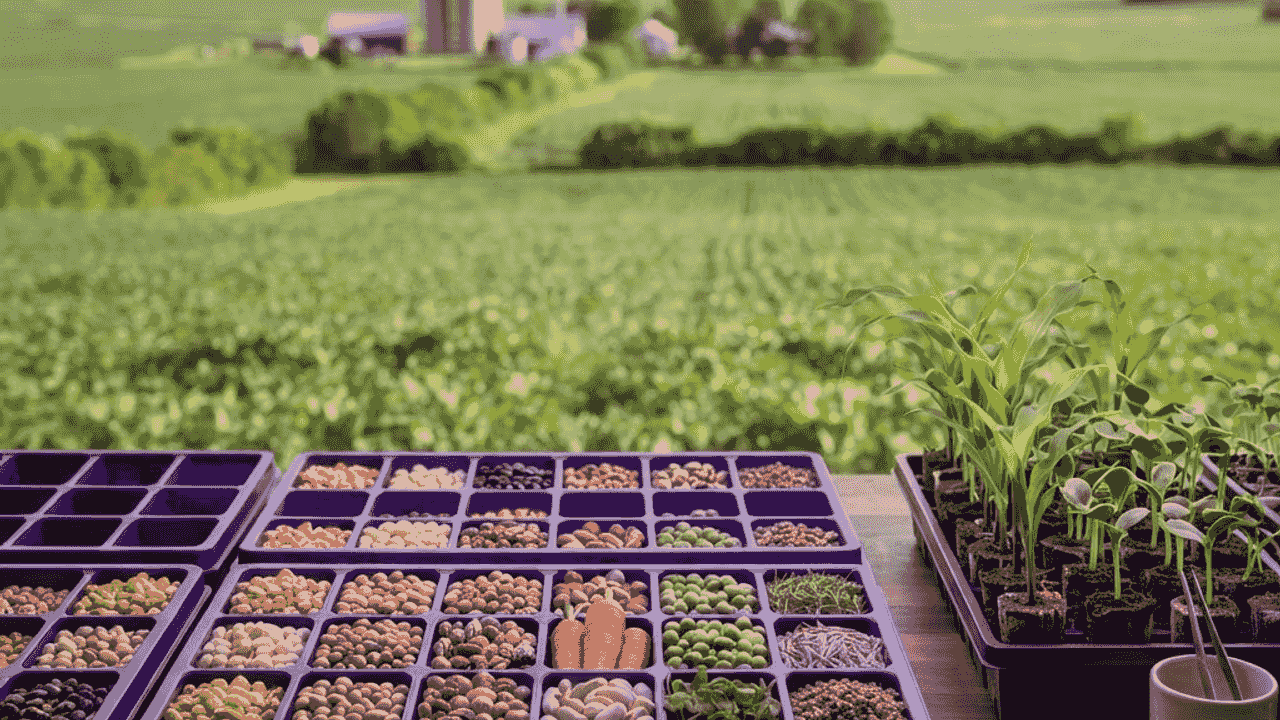
The Starting Point of Every Harvest
Every successful crop begins with quality seed, and the seed companies serving the Milwaukee region play a foundational role in Wisconsin agriculture. From corn and soybeans to small grains and specialty crops, the genetics and quality of seed determine yield potential, disease resistance, and adaptability to local growing conditions. Farmers depend on seed companies to deliver reliable, high-performing products year after year.
Wisconsin's diverse agriculture, spanning row crops, forage, and specialty production, demands a wide range of seed offerings. Seed companies that understand the region's soils, climate, and cropping systems provide invaluable guidance alongside their products.
Seed Companies Serving the Region
Several seed companies are recognized for serving Wisconsin farmers. Axis Seed of Wisconsin offers regionally adapted seed genetics, while Spangler Seed provides seed products to area growers. Biddick, Inc. is known for producing corn, soybeans, and grains, reflecting the staple crops that anchor the state's agriculture.
These companies combine access to advanced seed genetics with local knowledge, helping farmers select varieties that match their fields and goals. This blend of product quality and agronomic expertise distinguishes the region's leading seed suppliers.
The Science Behind Modern Seed
Seed technology has advanced dramatically, and today's products reflect years of research and development. Improved genetics deliver higher yields, enhanced resistance to pests and diseases, and greater tolerance of environmental stresses such as drought and cold. Seed treatments further protect young plants during vulnerable early growth stages.
Leading seed companies invest in trials and research to identify the varieties best suited to regional conditions. This scientific foundation gives farmers confidence that the seed they plant is optimized for performance in their specific environment.
Agronomic Support and Guidance
Beyond supplying seed, top companies provide agronomic support that helps farmers maximize their investment. This includes guidance on variety selection, planting rates, field placement, and management practices. Local expertise is especially valuable, as recommendations tailored to Wisconsin's conditions can significantly influence outcomes.
This advisory relationship builds trust and long-term partnerships. Farmers value seed companies that stand beside them throughout the season, offering support that extends well beyond the initial sale.
Industry Trends and Sustainability
The seed industry is evolving in response to several important trends. Sustainability is increasingly central, with demand growing for varieties that support reduced input use, cover cropping, and soil health. Interest in non-GMO and specialty seed is also rising, driven by evolving consumer preferences and market opportunities.
Data and technology are enhancing seed selection as well. Field data, yield analysis, and precision agriculture tools help farmers and seed advisors make more informed decisions, matching the right genetics to the right acres for optimal results.
Choosing the Right Seed Partner
Selecting a seed company is an important decision that affects the entire growing season. Farmers should consider seed quality and genetics, regional adaptation, agronomic support, and the company's reputation and reliability. Local trial results and grower references provide valuable insight into real-world performance.
The leading seed companies serving the Milwaukee region have earned their standing through quality products, scientific rigor, and dedicated support. By providing the genetics and guidance that underpin strong yields, these companies help sustain the productivity and resilience of Wisconsin agriculture from the very first seed planted.
How to Evaluate the Organizations in This Guide
A useful ranking should be treated as a starting point rather than a substitute for careful evaluation. Needs vary by buyer, project, budget, and neighborhood, so the best fit is often the organization whose capabilities align most closely with a reader's priorities. Reputation, years of service, responsiveness, transparency, and demonstrated knowledge of the Milwaukee market are all meaningful signals. Prospective customers or supporters should also consider how clearly an organization explains its processes, how consistently it delivers on commitments, and whether its team can answer detailed questions without pressure.
Milwaukee-specific experience matters because local conditions shape demand. Winter weather, regional transportation patterns, the city's industrial heritage, and the needs of surrounding southeastern Wisconsin communities can all influence service, inventory, timing, and outcomes. Organizations with strong local relationships are often better prepared to anticipate these factors. At the same time, larger regional or national operators may bring broader resources, specialized technology, and greater purchasing power. Comparing both types creates a more balanced shortlist.
Before making a final decision, readers should define their must-have requirements and compare several candidates using the same criteria. For commercial purchases, this may include lead times, minimum orders, warranties, delivery coverage, quality controls, and after-sale support. For services or community organizations, it may include program effectiveness, accessibility, financial stewardship, and measurable local impact. Asking for current documentation, references, or a clear scope of work can prevent misunderstandings.
The Milwaukee market continues to evolve, and availability, leadership, programs, and product lines may change over time. A thoughtful review of current capabilities will help readers turn this guide into a practical decision-making tool. The strongest organizations are rarely defined by a single feature; they earn trust through a combination of quality, consistency, local understanding, and long-term value.