
Why Roofs Fail Faster in the High Desert
A roof in Palmdale endures conditions that most roofing products were not originally developed for. Ultraviolet radiation at valley elevation degrades asphalt binders, plastics, and sealants continuously. Daily temperature swings are wide, particularly in spring and fall, causing repeated thermal expansion and contraction that fatigues materials and loosens fasteners. Summer roof surface temperatures reach levels that accelerate every chemical degradation process at work. And the Antelope Valley's characteristic winds test the uplift resistance of every fastener, edge detail, and flashing.
The practical consequence is that a roof rated for a certain service life in a mild climate will frequently deliver less here, and the difference between a properly specified, properly installed roof and a cheap one is measured in years. The specialties below cover the systems and services that serve Palmdale properties.
1. Asphalt Shingle Roofing Contractors
Asphalt shingles remain the most common residential roofing material in the valley because of cost and availability. Quality varies enormously. Architectural or dimensional shingles substantially outperform three-tab products in both wind resistance and service life, and premium lines with enhanced ultraviolet stabilizers and higher wind ratings are worth the difference in this climate. Installation details matter as much as the shingle: proper underlayment, correct nailing pattern and placement, adequate starter course, and sealed valleys and penetrations determine real-world performance.
2. Tile Roofing Specialists
Concrete and clay tile are excellent choices for the high desert. Tile is inherently ultraviolet stable, handles extreme heat without degradation, and the airspace beneath tile reduces heat transfer into the attic. Service life measured in decades is realistic. The critical point is that the tile itself is a rain shield; the underlayment is the actual waterproofing layer, and it has a much shorter life than the tile. Many tile roof problems in the region are underlayment failures beneath perfectly sound tile, which is why tile re-roofing often means lifting and resetting existing tile over new underlayment.
3. Flat and Low-Slope Roofing Contractors
Commercial buildings and some residential architecture use low-slope systems including single-ply membranes, modified bitumen, and built-up roofing. Single-ply membranes in reflective white are particularly well suited to Palmdale because high solar reflectance dramatically reduces roof surface temperature, cutting cooling load and extending membrane life simultaneously. Detailing at parapets, drains, curbs, and penetrations is where low-slope roofs succeed or fail, and ponding water is the enemy, so drainage design and slope verification deserve close attention.
4. Metal Roofing Installers
Metal roofing has gained significant share in desert markets. Standing seam systems offer exceptional longevity, high wind resistance, and excellent performance with reflective coatings that reject a large portion of solar radiation. Metal handles thermal cycling well when installed with proper allowance for expansion, which is precisely where inexperienced installers create problems by fastening in ways that restrain movement. Metal roofs also integrate cleanly with solar mounting systems, which matters in a region where solar is nearly standard.
5. Cool Roof and Energy-Efficient Roofing Specialists
Cool roofing is not a niche in Palmdale, it is a code consideration and an economic one. California's energy standards include roofing reflectance and emittance requirements in many applications, and the underlying physics is straightforward: a roof surface that reflects rather than absorbs solar energy runs dramatically cooler, reducing attic temperatures, cutting air conditioning runtime, and slowing material degradation. Specialists in this category work with reflective coatings, cool-rated shingles and tiles, reflective membranes, and above-sheathing ventilation systems.
6. Roof Repair and Leak Detection Services
Repair specialists diagnose and correct localized failures without full replacement. Common Palmdale failure points include cracked or degraded pipe boot flashings, failed sealant at penetrations, damaged or displaced shingles and tiles after wind events, deteriorated valley metal, and flashing failures at wall intersections and chimneys. Proper leak diagnosis often requires water testing or infrared scanning, because water travels along framing before appearing inside, and the visible stain is rarely below the actual entry point.
7. Roof Inspection and Maintenance Providers
Preventive maintenance is the most underused roofing service and the most cost-effective. Annual or semiannual inspection identifies degraded sealants, loose fasteners, cracked flashings, debris accumulation at drains, and early material deterioration while correction is inexpensive. Maintenance programs also produce documentation that supports warranty claims and insurance discussions. Given that most roof failures develop gradually from small defects, a maintenance program regularly extends system life by years at minimal cost.
8. Solar Roofing and Integrated Systems
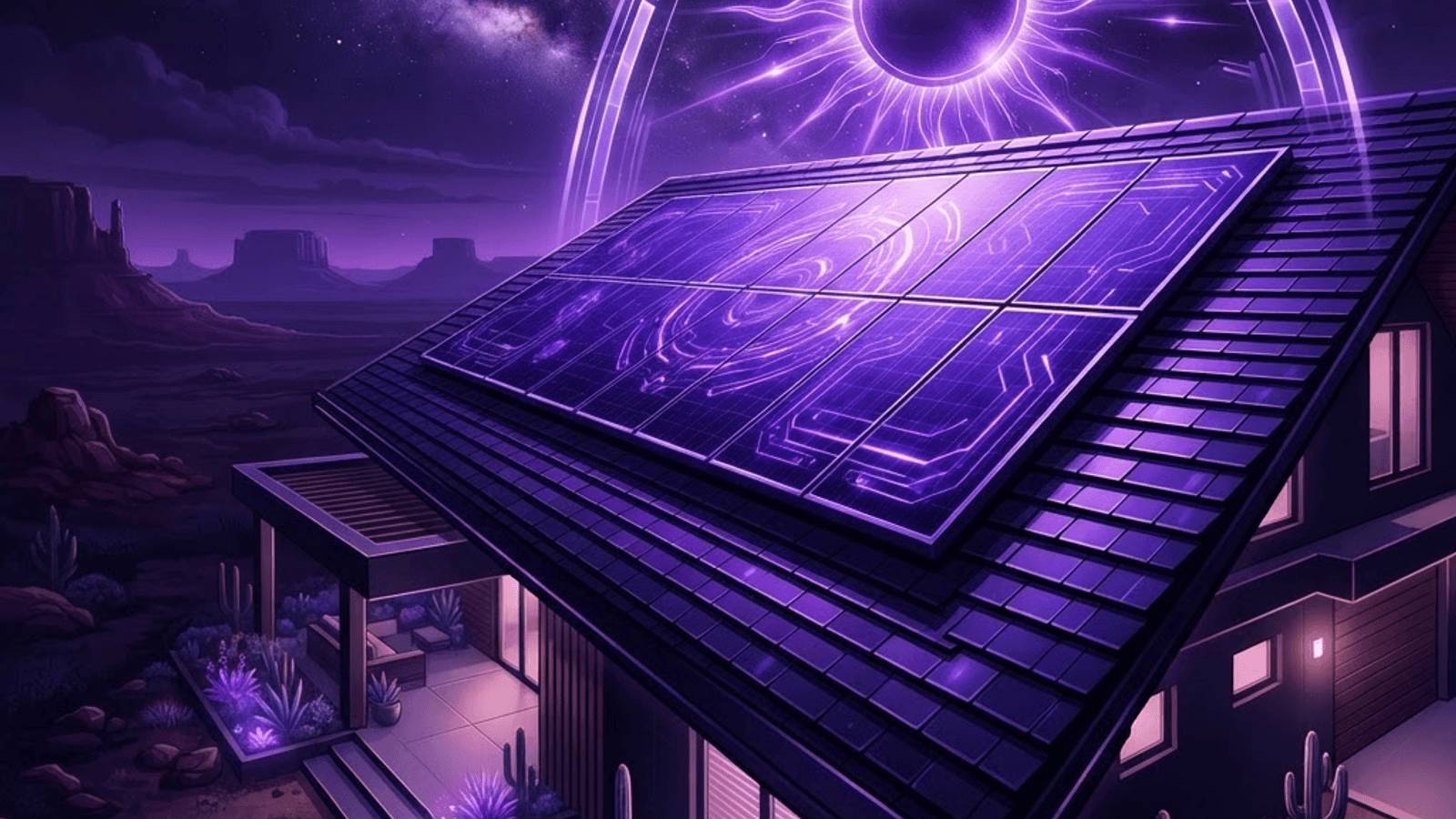
Solar and roofing intersect directly, and coordinating them is important. Installing solar on a roof with limited remaining life means paying to remove and reinstall the array later. Contractors in this category handle roof replacement combined with solar installation, proper flashing of mounting penetrations, and increasingly integrated solar roofing products where photovoltaic elements replace conventional roofing material. Palmdale's solar resource is exceptional, making this pairing economically compelling for most properties.
9. Skylight, Ventilation, and Attic Systems
Attic ventilation is critical in a hot climate and frequently inadequate. Balanced intake at eaves and exhaust at ridge allows heat to escape, lowering attic temperatures, reducing cooling load, and extending roofing material life. Specialists also install and service skylights and solar tubes, which bring daylight into interior spaces, and radiant barrier systems that reflect heat away from the attic floor. Combining ventilation improvement with insulation upgrade during re-roofing is highly cost-effective because access is already available.
10. Storm Damage and Insurance Restoration Roofers
Wind events in the Antelope Valley cause roofing damage regularly, including lifted and missing shingles, displaced tiles, and damaged flashing and edge metal. Restoration contractors provide emergency tarping, document damage for insurance claims, and perform repair or replacement under claim. Reputable contractors in this space work transparently with adjusters and do not pressure homeowners into claims for damage that does not warrant one. Post-storm solicitation is a category where due diligence on licensing and local presence is especially important.
Choosing a Roofing Contractor
Verify California licensing with the appropriate roofing classification, general liability insurance, and workers compensation coverage. Roofing is among the highest-risk trades for worker injury, and hiring an uninsured contractor exposes a property owner to real liability. Confirm that the contractor has a physical local presence and an operating history in the Antelope Valley rather than a temporary post-storm setup.
Ask about manufacturer certification. Major roofing manufacturers certify installers who meet training and quality standards, and certification often unlocks enhanced warranty coverage that covers labor as well as material. Understand the distinction clearly: a manufacturer material warranty covers defective product, while the workmanship warranty from the contractor covers installation. Both matter, and the workmanship warranty is only as good as the contractor's longevity.
Getting the Specification Right
Insist on a written scope specifying the underlayment type, the number of layers to be removed, decking inspection and replacement provisions, flashing replacement, ventilation work, and cleanup. Underlayment is frequently where contractors cut cost invisibly, and in this climate a high-temperature rated synthetic or modified underlayment substantially outperforms basic felt.
Address decking during the bid rather than as a change order. Older roofs often conceal damaged sheathing, and a contract that specifies a unit price for decking replacement prevents an uncomfortable negotiation mid-project. Require that all penetration flashings, pipe boots, and valley metal be replaced rather than reused, since reusing degraded components on a new roof guarantees an early leak.
Extending Roof Life in Palmdale
Keep the roof clear of debris, particularly at valleys and drains where accumulation traps moisture and blocks flow. Trim overhanging branches that abrade surfaces in wind. Inspect after significant wind events rather than waiting for a leak. Address small sealant and flashing failures immediately, since these are inexpensive when caught early and expensive once water reaches the structure.
Above all, prioritize reflectance and ventilation. A cool, well-ventilated roof assembly runs at dramatically lower temperature than a dark, poorly ventilated one, and every degree of reduction slows material aging while lowering the cooling bill. In the Antelope Valley, those two measures do more for roof longevity than any other decision available to a property owner.