
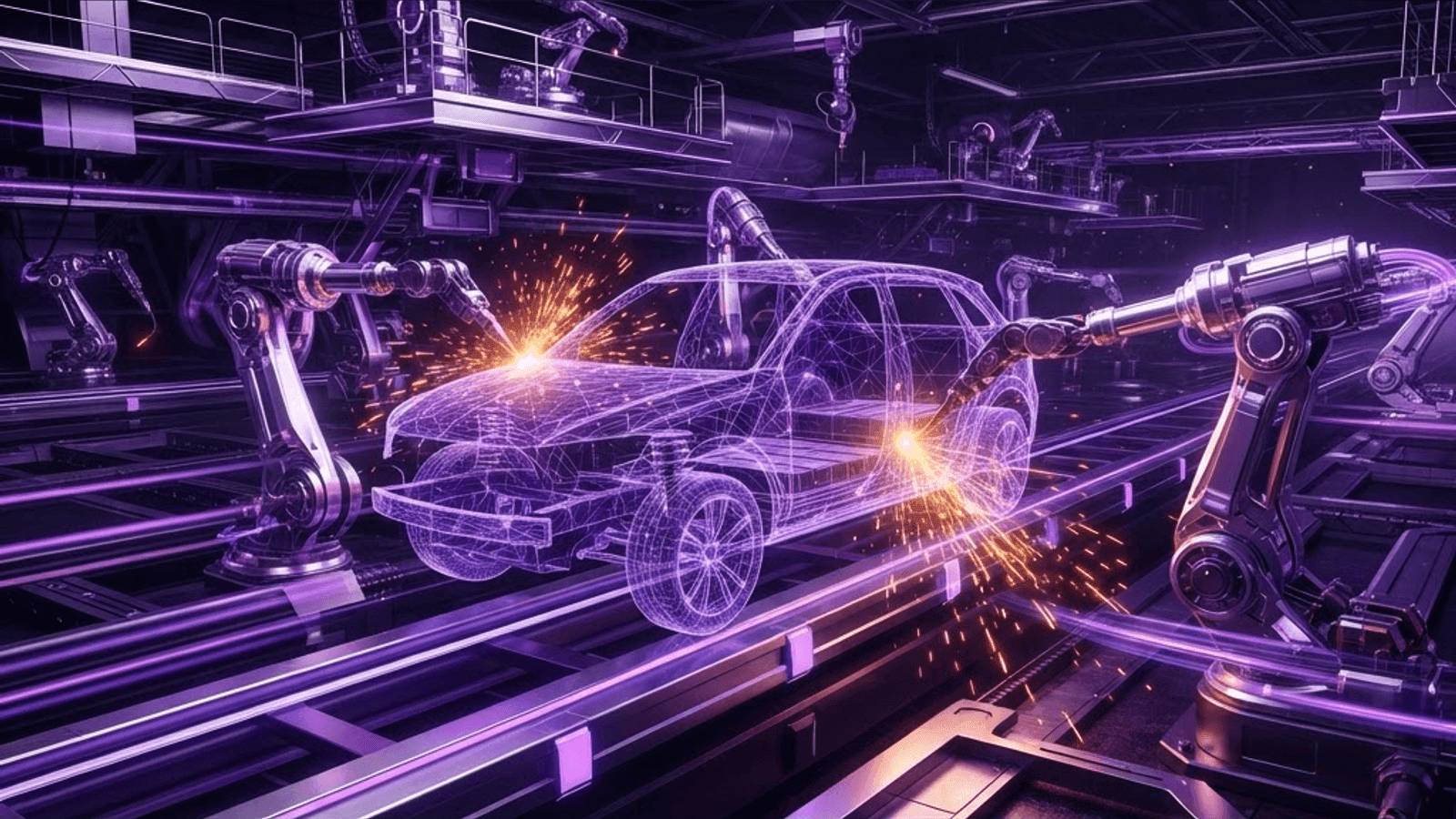
A Specialty Automotive Sector Built Around Regional Needs
Salinas does not host a mass-market vehicle assembly plant, and it does not need to. What the region has instead is a cluster of specialty automotive manufacturers producing exactly what an agricultural and logistics economy requires: refrigerated truck bodies, flatbeds and trailers, crew transport vehicles, service bodies, and custom equipment mounted on commercial chassis.
This segment competes on engineering and customization rather than volume. A grower who needs a truck configured for a particular field operation cannot buy it from a dealer lot. Someone has to design and build it, and increasingly that someone is located within driving distance of the operation it serves.
The Top 10 Automotive Manufacturers and Upfitters Serving Salinas
1. Valley Truck Body Works. The most established commercial body manufacturer in the region, Valley Truck Body Works builds refrigerated bodies, dry vans, flatbeds, and specialty configurations on customer-supplied chassis. Its refrigerated units are engineered specifically for produce transport, with insulation and airflow designs that maintain consistent temperature across the full load volume rather than only near the unit.
2. Gabilan Trailer Manufacturing. Producing agricultural trailers, equipment haulers, and transport trailers, Gabilan Trailer Manufacturing designs for the loading conditions and terrain that field work actually involves. Frame engineering and suspension selection are its technical strengths, and its trailers have a reputation for outlasting lighter-built alternatives.
3. Monterey Bay Fleet Upfitters. Converting standard commercial vehicles into purpose-built work units, this company installs service bodies, tool storage, lighting, power systems, and equipment mounts. Fleet operators value its ability to produce identical builds across dozens of vehicles, which simplifies maintenance and driver training.
4. Central Coast Electric Vehicle Works. Focused on electrification, this company converts fleet vehicles to electric drivetrains and builds purpose-designed electric utility vehicles for yard, campus, and agricultural use. Its work includes battery integration, thermal management, and charging infrastructure planning.
5. Alisal Automotive Components. A precision component manufacturer supplying brackets, mounts, structural assemblies, and machined parts to vehicle builders, Alisal Automotive Components operates as a tier supplier. Its dimensional accuracy and consistency matter because downstream assembly depends on parts fitting without adjustment.
6. Harvest Agricultural Vehicles. Building specialized field vehicles including crew transports, harvest platforms, and mobile equipment carriers, this manufacturer produces machines that do not exist in standard catalogs. Each build is engineered around a specific crop and operation.
7. Steinbeck Custom Fabrication. Handling one-off and small-series vehicle projects, this shop produces prototypes, show vehicles, and unusual configurations. Its metal fabrication and finishing capabilities extend beyond automotive work, and its flexibility suits projects other manufacturers decline.
8. Oldtown Refrigeration Systems. Specializing in transport refrigeration, this company installs, services, and rebuilds refrigeration units on trailers and truck bodies. In a produce economy, cold chain integrity is not a convenience, and this specialization directly protects product value.
9. Pacific Commercial Vehicle Service. Combining manufacturing with heavy service capability, this company handles frame modification, wheelbase alteration, structural repair, and fleet maintenance. Its ability to rework existing vehicles often provides a cheaper path than replacement.
10. Salinas Mobility Solutions. Producing accessible vehicle modifications and specialty transport configurations, this company serves healthcare providers, community organizations, and individual clients. Its work involves both engineering and regulatory compliance for modified vehicles.
What Specialty Automotive Manufacturing Involves
The process begins with a chassis, typically purchased incomplete from a major manufacturer. The upfitter then designs and builds the functional structure on top: a body, a tank, a platform, or specialized equipment.
That work requires structural engineering to ensure weight distribution stays within axle ratings, electrical integration that works with modern vehicle networks rather than fighting them, and compliance with federal and state safety requirements governing lighting, braking, visibility, and certification of the completed vehicle.
Material selection is a constant trade-off. Steel offers strength and repairability at higher weight, aluminum reduces weight and resists corrosion at greater cost, and composites offer insulation value and weight savings for refrigerated applications. Weight matters directly because every pound of vehicle structure is a pound of payload lost.
Industry Trends Reshaping the Sector
Electrification is the dominant force. Regulations pushing fleets toward zero-emission vehicles have created demand for electric work vehicles and for charging infrastructure to support them. Electric drivetrains change upfitting fundamentally, since auxiliary equipment traditionally powered by engine output must now draw from the traction battery or a separate system, requiring careful energy budgeting.
Telematics has become standard equipment. Fleet operators expect location tracking, diagnostics, driver behavior data, and for refrigerated units, continuous temperature logging that documents cold chain compliance for receivers.
Lightweighting continues as fuel and energy costs and payload economics push builders toward aluminum and composite structures. Meanwhile, driver assistance systems are appearing in commercial vehicles, and upfitters must ensure their modifications do not interfere with sensors and cameras.
Supply chain conditions remain a persistent challenge, with chassis availability sometimes determining project timelines more than manufacturing capacity does.
Choosing an Automotive Manufacturing Partner
Start with relevant experience. A builder who has produced similar vehicles understands the failure modes and design details that only emerge in service. Ask to see comparable units and, where possible, speak with operators using them.
Verify certification and compliance knowledge. Modified vehicles must meet safety standards, and a builder who treats certification casually creates liability for the owner.
Discuss serviceability during design. Components positioned for easy manufacturing are sometimes positioned terribly for maintenance, and that cost accumulates over a vehicle's full service life.
Confirm warranty terms and service capability, particularly whether the builder can support the vehicle throughout its life or only at delivery. Finally, involve your drivers and technicians in the specification. The people who use equipment daily identify practical problems that nobody reviewing a drawing will catch.
Final Thoughts
Automotive manufacturing in Salinas succeeds precisely because it is not mass production. These companies build vehicles configured for specific work in a specific place, and that responsiveness is something distant volume manufacturers cannot replicate. As fleets electrify and equipment becomes more connected, regional builders who combine traditional fabrication skill with modern systems knowledge are positioned to remain essential to the valley's economy.