
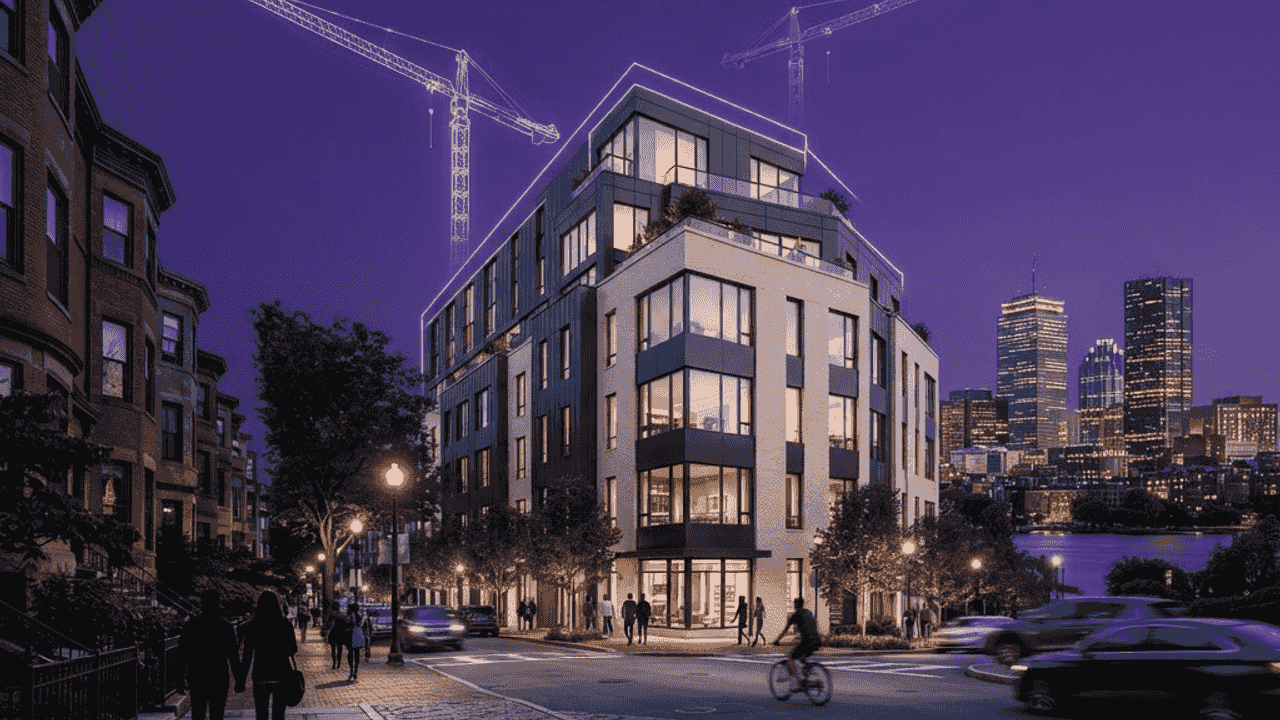
Shaping the Future of Boston Living
Boston's residential real estate landscape is among the most dynamic in the country, driven by strong demand, limited land, and a rich architectural heritage. The developers who operate in this competitive market play a pivotal role in shaping how the city grows, from luxury waterfront condominiums to thoughtfully designed multifamily communities. Their work influences not only skylines but also the daily lives of the residents who call these developments home.
What distinguishes Boston's leading developers is their ability to balance modern design with respect for the city's historic character. Many projects blend contemporary amenities with architectural elements that complement established neighborhoods, creating housing that feels both fresh and rooted in place. This sensitivity to context is essential in a city that values its heritage as much as its progress.
What to Look for in a Residential Developer
Evaluating a residential real estate developer involves considering their track record, quality of construction, and reputation among buyers and communities. A developer with a portfolio of successful, well-maintained projects demonstrates the reliability and expertise that buyers and investors seek. Attention to construction quality, from materials to craftsmanship, directly affects the long-term value and livability of a home.
Thoughtful design and community integration are equally important. The best developers consider how their projects fit into surrounding neighborhoods, incorporating green spaces, walkability, and amenities that enhance residents' quality of life. Transparency, financial stability, and a commitment to delivering on promises also signal a trustworthy developer. For prospective buyers, understanding a developer's philosophy and past performance provides valuable insight into what to expect.
Ten Influential Residential Developers in Boston
The Fallon Company is known for large-scale mixed-use developments that have transformed the Seaport District. WS Development has shaped major waterfront neighborhoods with vibrant residential and retail spaces. National Development is recognized for versatile projects across the metro area.
Related Beal is celebrated for sustainable, design-forward developments, while Boston Global Investors focuses on ambitious urban regeneration. Samuels and Associates has revitalized the Fenway area with modern residential communities. The Davis Companies emphasizes strategic, value-driven projects, and Leggat McCall Properties brings extensive experience across residential and mixed-use development. Trinity Financial specializes in high-quality affordable and mixed-income housing, and The HYM Investment Group is known for transformative large-scale community developments.
Trends Shaping Residential Development
Sustainability has become a central priority in Boston's residential development. Many new projects incorporate energy-efficient systems, green building materials, and environmentally conscious design to reduce their footprint and lower operating costs for residents. This focus reflects both regulatory expectations and growing buyer demand for eco-friendly living.
Mixed-use development is another defining trend, as developers create communities that combine housing with retail, dining, and public spaces to foster walkable, connected neighborhoods. Smart home technology, wellness-focused amenities, and flexible living spaces are also increasingly common, reflecting evolving lifestyles and the lasting impact of changing work patterns on how people use their homes.
Building Boston's Residential Future
The developers shaping Boston's residential landscape are creating far more than buildings; they are helping define the character of the city's neighborhoods for generations to come. For buyers, investors, and residents, understanding the reputation and philosophy of these developers offers valuable perspective on the quality and vision behind each project. As Boston continues to grow, thoughtful, sustainable, and community-minded development will remain essential to preserving the city's appeal while meeting the housing needs of its diverse population.