
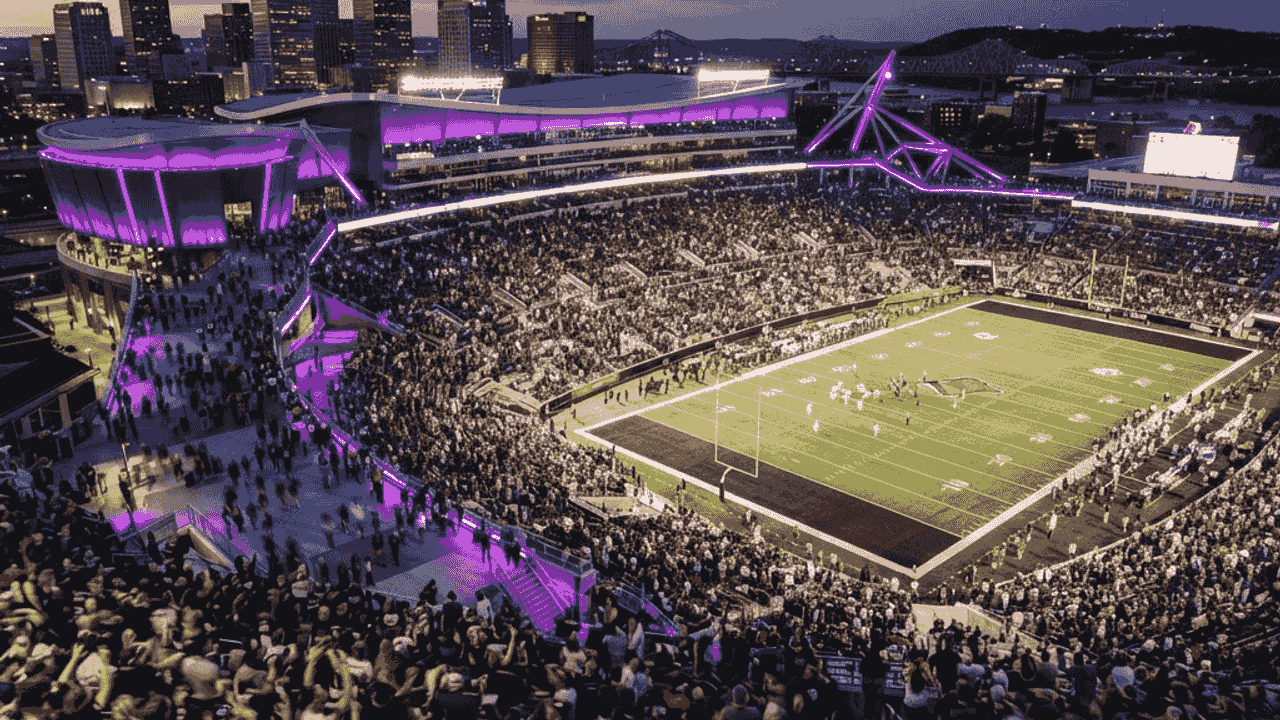
Louisville's Passion for Sports Venues
Louisville is a city that lives and breathes sports, and its stadiums serve as gathering places where community spirit comes alive. From the roar of college football crowds to the family-friendly charm of minor league baseball, the region's venues offer experiences that extend far beyond the games themselves. These stadiums are landmarks of local pride, hosting not only athletic competitions but also concerts, festivals, and civic events throughout the year.
The best stadiums in Louisville distinguish themselves through atmosphere, amenities, and accessibility. Whether a fan is attending a marquee matchup or a casual weeknight game, the quality of the venue shapes the entire experience. Thoughtful design, comfortable seating, and vibrant fan zones turn a simple outing into a memorable event.
What Makes a Great Stadium Experience
Several elements define an outstanding stadium. Sightlines and seating comfort top the list, as fans want clear views and pleasant surroundings from every section. Modern venues invest heavily in seating design, shade, and accessibility to ensure everyone can enjoy the action.
Concessions and amenities also play a major role. The best stadiums offer diverse food and beverage options, often spotlighting local flavors that reflect Louisville's culinary identity. Clean facilities, efficient entry, and ample restrooms contribute to a smooth, enjoyable visit.
Atmosphere ties everything together. Energetic crowds, engaging entertainment between plays, and a sense of tradition create the electric environment that keeps fans coming back season after season.
The Range of Venues in the Region
Louisville's stadium landscape includes venues of varying sizes and purposes. Large collegiate football stadiums anchor game-day traditions each fall, drawing tens of thousands of passionate supporters. Baseball parks provide a more intimate, relaxed setting ideal for families and summer evenings.
Soccer-specific stadiums have added a modern dimension to the city's sports scene, reflecting the growing popularity of the sport. Multipurpose arenas and smaller community fields round out the ecosystem, ensuring that athletes and fans at every level have quality places to compete and cheer.
Beyond the Games
Modern stadiums have evolved into year-round destinations. Many host concerts, community celebrations, and private events that keep the venues active well beyond their primary sports seasons. This versatility strengthens their role as economic and cultural hubs for the surrounding neighborhoods.
Stadiums also drive local development. Restaurants, entertainment districts, and public spaces often flourish around major venues, creating vibrant areas where fans gather before and after events. This ripple effect underscores the broader value stadiums bring to Louisville.
Trends in Stadium Design
Contemporary stadium development emphasizes fan experience and technology. High-speed connectivity, mobile ticketing, cashless concessions, and premium hospitality areas have become standard expectations. Sustainability is another growing priority, with venues incorporating energy-efficient systems and environmentally responsible practices.
Flexibility in design allows stadiums to accommodate multiple uses, maximizing their value to the community. Enhanced accessibility features ensure that fans of all abilities can fully participate in the excitement.
Enjoying the Best of Louisville Sports
For fans planning a visit, choosing the right stadium comes down to the experience they seek. Those craving high-energy spectacle may gravitate toward major football venues, while families might prefer the relaxed pace of a baseball park. Checking event schedules, parking options, and seating layouts helps ensure a smooth outing.
Arriving early to soak in the pregame atmosphere, sampling local concessions, and embracing the traditions of each venue all enrich the experience. Louisville's stadiums reward fans who come ready to celebrate the shared joy of the game.
How to Compare Louisville Options Responsibly
A useful top-ten guide should be a starting point rather than a substitute for personal research. Needs, availability, pricing, and service standards can change, so readers should compare current offerings and evaluate how well each option matches their priorities. Louisville is a large and varied market, and the best choice for someone in the urban core may differ from the best fit for a resident of the East End or a neighboring community. Location, scheduling, accessibility, and long-term value all deserve consideration alongside reputation.
Begin by identifying the qualities that matter most to you, then create a short list of candidates with demonstrated local experience. Ask specific questions instead of relying only on broad claims. A capable business or organization should be able to explain its process, policies, quality standards, and approach to customer care in plain language. Pay attention to whether answers are detailed and consistent. Responsiveness before a purchase or booking often provides a useful preview of the experience that follows.
Recent feedback can reveal patterns, but reviews are most informative when read in context. Look for repeated observations about reliability, expertise, cleanliness, communication, and problem resolution rather than focusing on a single unusually positive or negative comment. Whenever possible, compare examples of completed work, product specifications, facility features, or documented credentials that relate directly to your needs.
Price should be evaluated as part of overall value. The lowest initial cost may not include the same quality, durability, amenities, or support as a more complete option. Request clear estimates or terms, understand what is included, and ask about warranties, returns, cancellations, or follow-up service where relevant. Louisville consumers benefit most when they choose providers and destinations that combine fair pricing with consistent performance and transparent policies.
Final Thoughts
Louisville's finest stadiums are more than places to watch sports; they are vibrant centers of community, culture, and pride. Through thoughtful design, memorable atmospheres, and their role in bringing people together, these venues remain treasured fixtures of the city's identity for fans of every generation.