
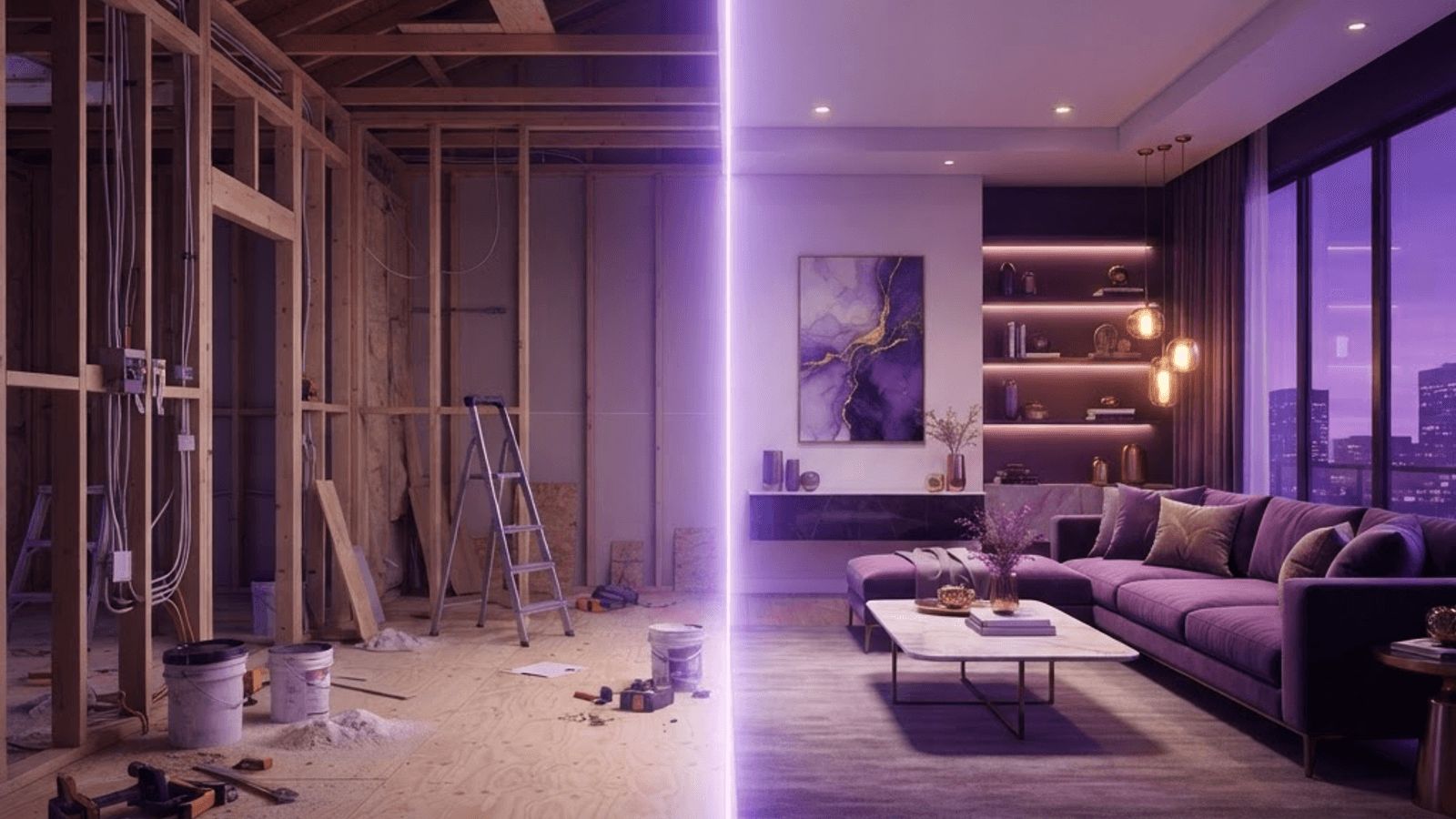
Renovation Realities in Sonoma County
Santa Rosa's housing stock spans early twentieth century bungalows, extensive mid-century development, and newer construction. Each era brings characteristic renovation challenges. Older homes frequently have knob-and-tube wiring remnants, galvanized supply piping, minimal insulation, and unreinforced foundations. Mid-century houses tend to have compartmentalized floor plans, single-pane windows, and undersized electrical service. Even relatively recent homes may need efficiency upgrades to meet current expectations.
Renovation is inherently less predictable than new construction because the existing conditions are partly unknown until demolition begins. The contractors who succeed in this market combine construction skill with diagnostic ability and honest communication about uncertainty. The categories below describe how the local market specializes.
1. Whole-House Renovation Contractors
Comprehensive renovation addresses structure, systems, envelope, and finishes together. These contractors reconfigure floor plans, upgrade electrical and plumbing throughout, improve insulation and windows, and modernize every finished surface. Done properly, whole-house renovation delivers essentially new-home performance while preserving neighborhood character, mature landscaping, and often a more favorable cost basis than rebuilding.
2. Kitchen Remodeling Specialists
Kitchens remain the highest-impact renovation for both daily living and resale value. Specialists in this area coordinate cabinetry, countertops, appliance specification, electrical upgrades for modern appliance loads, ventilation, plumbing relocation, and lighting design. Kitchen projects frequently require structural work when removing walls to open floor plans, so contractors need genuine framing capability rather than finish-only skills.
3. Bathroom Renovation Contractors
Bathrooms concentrate more technical requirements per square foot than any other room. Waterproofing details, proper slope to drains, ventilation sizing, moisture-resistant substrates, and accessible fixture placement all matter. Poor bathroom work produces hidden water damage that surfaces years later as structural rot, which makes contractor selection particularly consequential here.
4. Historic Home Restoration Specialists
Santa Rosa's older neighborhoods contain homes with genuine architectural character. Restoration specialists repair rather than replace original windows, match historic trim profiles, preserve period detailing, and integrate modern systems discreetly. Where properties fall under historic review, these contractors understand the approval process and material requirements that generic remodelers do not.
5. Energy Efficiency and Weatherization Contractors
Performance-focused contractors approach renovation through building science: blower door testing to quantify air leakage, thermal imaging to locate insulation gaps, duct sealing, attic and wall insulation upgrades, and high-performance window replacement. The improvements reduce utility costs and, importantly for Sonoma County, substantially improve indoor air quality during wildfire smoke events when a tight envelope with good filtration matters greatly.
6. Structural Modification and Foundation Contractors
Open floor plan renovations usually require removing load-bearing walls, which demands engineered beams and proper load paths to the foundation. Many older Santa Rosa homes also need foundation bolting, cripple wall bracing, or complete foundation replacement. These contractors work from structural engineering drawings and handle the shoring and temporary support that such work requires safely.
7. Outdoor Living and Hardscape Renovation
Sonoma County's climate supports outdoor living most of the year, and outdoor renovation delivers strong lifestyle return. This work includes patios and decks, outdoor kitchens, pergolas and shade structures, fire features, and landscape lighting. Fire-resistant material selection has become an important consideration for properties in higher hazard zones.
8. Aging in Place and Accessibility Remodelers
Accessibility renovation allows residents to remain in their homes as mobility needs change. Work includes zero-threshold showers, grab bar blocking and installation, widened doorways, ramp construction, lever hardware, and improved lighting. Specialists in this area often hold specific certification and understand universal design principles that make modifications feel integrated rather than institutional.
9. Garage Conversion and Space Reclamation
Converting garages, basements, and attics into usable living space adds square footage without expanding a building footprint. These projects require insulation and conditioning, egress-compliant windows in sleeping areas, ceiling height verification, and proper moisture management. California's accessory dwelling unit rules have made garage conversion into rental units particularly attractive for Santa Rosa property owners.
10. Fire-Resistant Retrofit Contractors
Home hardening against wildfire has become a distinct renovation specialty in Sonoma County. Work includes replacing vulnerable vents with ember-resistant assemblies, upgrading to class A roofing, installing fire-resistant siding and decking, enclosing eaves, and replacing single-pane windows with tempered multi-pane units. These upgrades affect insurance availability as well as survivability, giving them measurable financial return.
Budgeting for the Unknown
The defining characteristic of renovation budgeting is uncertainty. Opening a wall may reveal knob-and-tube wiring, active plumbing leaks, termite damage, dry rot, or previous unpermitted work that must be corrected. Experienced contractors discuss this candidly and structure contracts with allowances for likely discoveries.
Plan a contingency reserve of twenty percent for homes built before 1980 and fifteen percent for newer construction. Treat any contractor whose bid is dramatically lower than competitors with caution, because the usual explanation is incomplete scope that reappears as change orders once demolition starts and you have no practical ability to change contractors.
Permitting and Code Upgrade Triggers
Most meaningful renovation in Santa Rosa requires permits: structural changes, electrical and plumbing modifications, window replacement, reroofing, and mechanical system changes. Permits protect homeowners by requiring inspection, and unpermitted work creates real problems at resale when disclosure obligations arise.
Renovation also triggers code upgrade requirements. Adding electrical load may require service panel upgrade. Significant remodeling may require smoke and carbon monoxide detector installation throughout, water-conserving fixtures, and in some cases energy compliance documentation. A contractor who identifies these triggers during estimating rather than discovering them at inspection saves everyone considerable frustration.
Managing the Project
Establish a written schedule with milestone dates and a defined change order process before work begins. Decide finish selections early, because material lead times cause more renovation delays than labor does. Document existing conditions with photographs before demolition, and photograph open walls before they close so future work has an accurate record. These simple practices distinguish renovations that finish well from those that drag on indefinitely.