
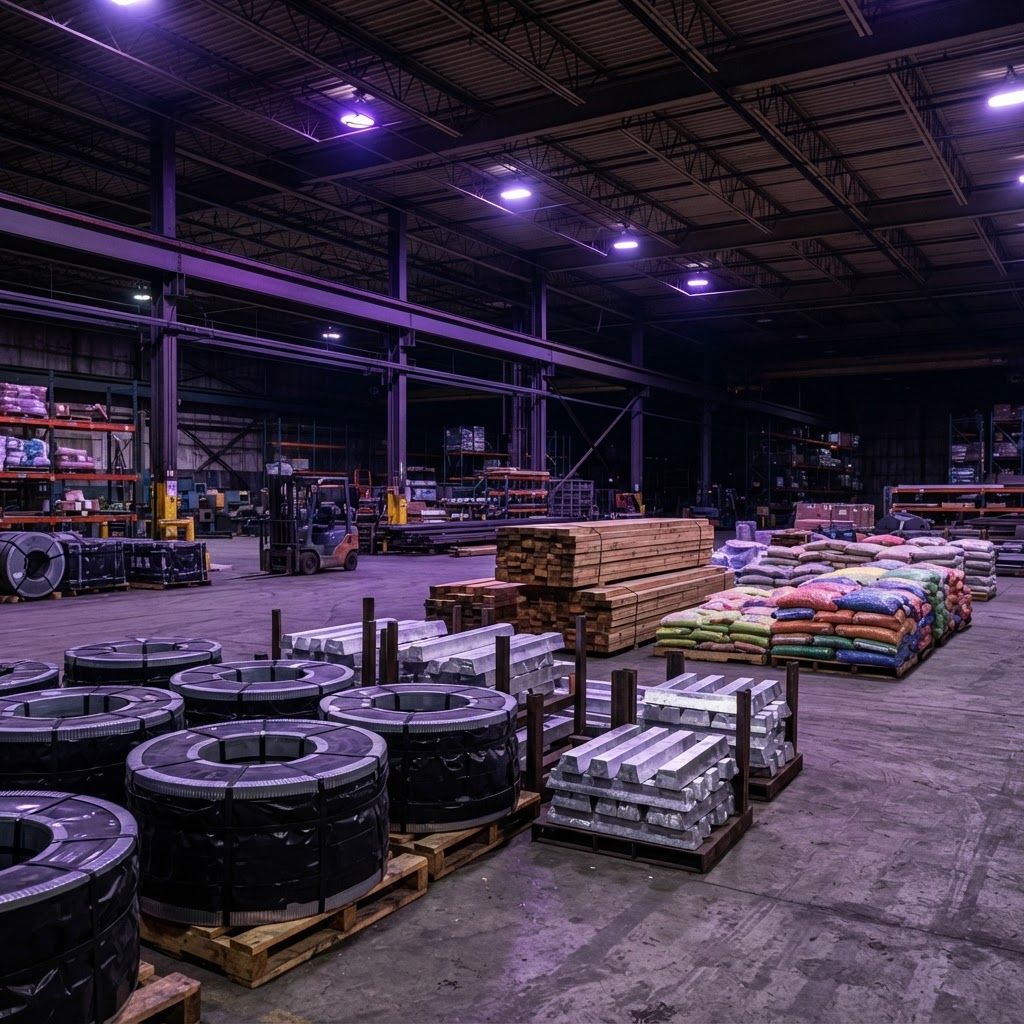
The Foundation of Detroit Manufacturing
Raw materials are the lifeblood of any manufacturing economy, and few cities depend on them as heavily as Detroit. From steel and aluminum to plastics, rubber, and specialty alloys, the region's factories require a constant, reliable supply of high-quality inputs. Raw material suppliers form the critical first link in the production chain, sourcing, processing, and distributing the substances that become finished goods across automotive, industrial, and consumer sectors.
Detroit's strategic location and deep manufacturing roots make it an ideal hub for these suppliers. Proximity to major production facilities allows for shorter supply lines, faster deliveries, and closer collaboration between suppliers and manufacturers. This geographic advantage has helped the region maintain a competitive materials supply network even as global sourcing has grown more complex.
Quality and Consistency Matter Most
In raw material supply, quality consistency is paramount. Manufacturers rely on materials that meet exact specifications batch after batch, because even minor variations in composition, thickness, or purity can compromise the integrity of finished products. The best Detroit suppliers invest heavily in quality control, testing, and certification to guarantee that every shipment meets stringent standards.
Traceability has also become essential. Customers increasingly need documentation proving where materials originated and how they were processed, both for regulatory compliance and for their own quality assurance. Suppliers that maintain rigorous documentation and transparent sourcing practices earn the trust of demanding industrial buyers.
Diverse Materials for Diverse Needs
Detroit's raw material suppliers serve a wide spectrum of industries. Metal suppliers provide sheet, bar, coil, and structural products in a range of grades. Plastics distributors offer resins, sheets, and engineered polymers for injection molding and fabrication. Others specialize in industrial chemicals, adhesives, composites, or recycled feedstocks that support sustainable manufacturing.
This variety allows manufacturers to consolidate their sourcing and build strong relationships with knowledgeable partners. Suppliers who understand the technical demands of their customers' applications can recommend the most cost-effective materials and help engineers solve design challenges, adding value well beyond simple distribution.
Navigating Supply Chain Challenges
Recent years have underscored the importance of resilient supply chains. Global disruptions, fluctuating commodity prices, and shipping bottlenecks have tested every link in the manufacturing chain. Detroit suppliers that maintain robust inventories, diversify their sourcing, and communicate proactively have become invaluable to manufacturers seeking stability.
Many suppliers now offer vendor-managed inventory programs and just-in-time delivery arrangements that help manufacturers reduce their own carrying costs while ensuring materials arrive exactly when needed. This collaborative model strengthens the entire regional manufacturing ecosystem and helps local producers remain competitive.
Sustainability and the Future
Environmental considerations are increasingly shaping the raw materials market. Recycled metals, bio-based polymers, and responsibly sourced materials are in growing demand as manufacturers pursue greener production. Detroit suppliers that invest in recycling capabilities and sustainable sourcing are positioning themselves at the forefront of this transition.
The suppliers that will thrive are those blending reliability, technical expertise, and a forward-looking commitment to sustainability. As Detroit's manufacturers continue to innovate, their success will remain inextricably linked to the quality and dependability of the raw material suppliers that support them.