
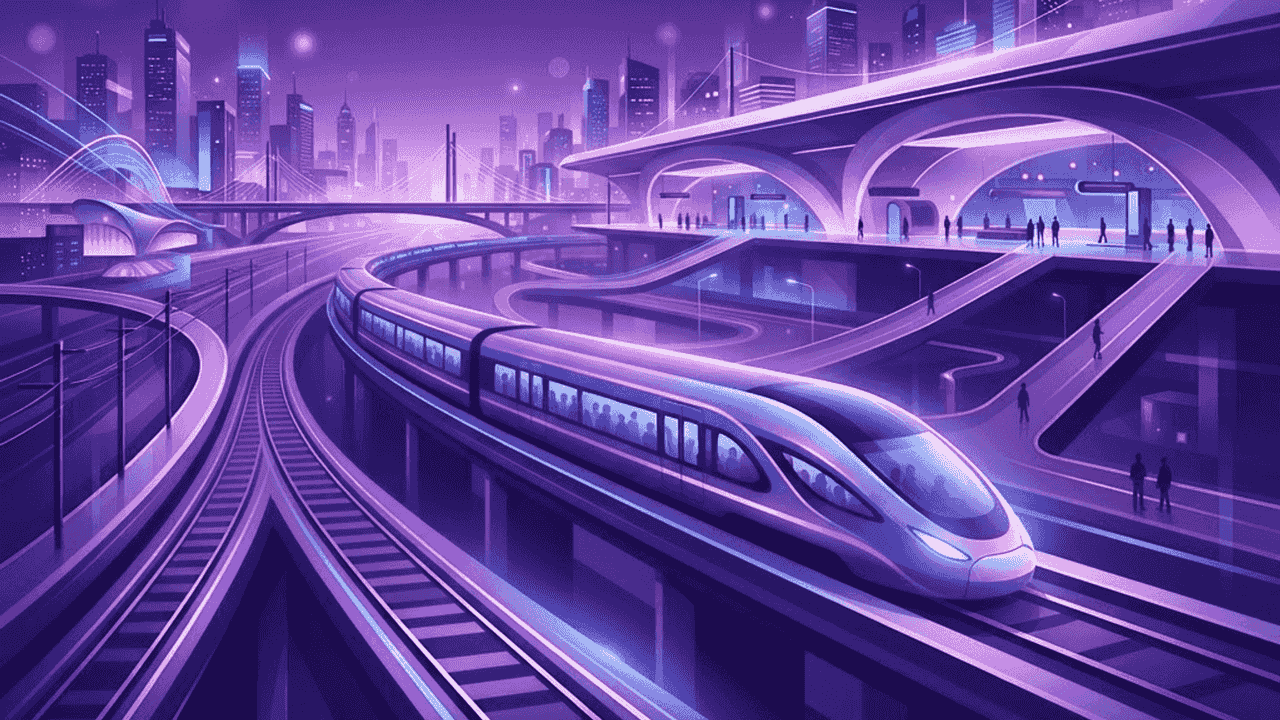
The Value of Rail Travel in San Jose
Rail transit is a cornerstone of regional mobility in and around San Jose, offering commuters and travelers a fast, efficient alternative to congested roadways. Railway operators connect the city to neighboring communities and major destinations, supporting daily commutes, business travel, and leisure trips. As one of the most sustainable forms of mass transportation, rail plays an increasingly important role in reducing traffic and emissions while keeping the region's workforce moving reliably each day.
What Makes a Railway Operator Reliable
The best railway operators are defined by punctuality, safety, and consistency. Dependable schedules allow passengers to plan their days with confidence, while well-maintained trains and stations ensure a comfortable experience. Clear communication about routes, timings, and any service changes builds trust with riders. Efficient boarding, clean facilities, and helpful staff contribute to a smooth journey. Operators that consistently deliver on these fundamentals become an essential part of daily life for many residents.
Services and Connectivity
Railway operators in the San Jose area provide a range of services that link the city to key destinations. Commuter rail supports weekday travel between residential areas and employment centers, while light rail offers convenient connections within the metropolitan region. These services often integrate with buses and other transit options, creating a seamless network that makes car-free travel practical. Strong connectivity is a defining feature of a well-run rail system, giving passengers flexible options for reaching their destinations.
Comfort and Passenger Experience
Modern rail travel prioritizes passenger comfort and convenience. Spacious seating, smooth rides, and reliable climate control make journeys pleasant, even during busy periods. Well-designed stations with clear signage, accessible platforms, and real-time arrival information enhance the overall experience. Many operators offer digital ticketing and mobile tools that simplify travel planning and payment. These conveniences reflect a commitment to serving passengers efficiently and making rail an attractive choice.
Safety and Sustainability
Safety is a top priority for railway operators, who invest in modern signaling, regular maintenance, and trained personnel to protect passengers. Rigorous safety protocols and infrastructure upkeep ensure dependable service. At the same time, rail travel offers significant environmental benefits, moving large numbers of people with lower emissions per passenger than private vehicles. By choosing rail, commuters contribute to cleaner air and reduced congestion, supporting a more sustainable transportation future for the region.
Integration With Regional Transit
One of the greatest strengths of rail service is its integration with the broader transit ecosystem. Coordinated schedules, shared fare systems, and convenient transfer points allow passengers to combine rail with buses and other modes seamlessly. This connectivity extends the reach of the rail network and makes it easier for people to travel throughout the region without a car. Effective integration reflects thoughtful planning and enhances the value of every rail journey.
Making the Most of Rail Travel
To get the most from railway services, passengers should familiarize themselves with schedules, fare options, and connecting routes. Using mobile apps for real-time updates and digital ticketing can streamline the experience. Traveling during off-peak hours when possible offers a more comfortable ride, while planning transfers in advance ensures smooth connections. Understanding the network's strengths allows riders to travel efficiently and take full advantage of the convenience rail provides.
Rail Travel for Commuters
For daily commuters, rail offers a reliable alternative to the stress of driving through heavy traffic. Predictable schedules allow workers to plan their days with confidence, while the time spent on board can be used productively for reading, working, or simply relaxing. Avoiding the cost and hassle of parking is an added benefit, particularly for those traveling to busy employment centers. Many commuters find that rail travel reduces their overall stress and improves their daily routine, making it a preferred choice for regular journeys across the region.
Supporting Regional Development
Railway operators do more than move passengers; they shape how the region grows. Reliable rail service encourages development around stations, supports local businesses, and connects communities to opportunities. Efficient transit links help distribute economic activity more evenly and reduce the strain on roadways. As San Jose continues to expand, investment in rail infrastructure and service quality plays a key role in supporting sustainable growth. Strong rail networks are an asset not only to individual travelers but to the vitality of the entire region.
Accessibility and Inclusion
Modern railway operators prioritize accessibility to ensure that transit serves everyone. Accessible platforms, boarding assistance, clear signage, and audio and visual announcements help passengers of all abilities travel with confidence. This commitment to inclusion reflects the broader value of public transit as a service for the entire community. By making rail travel welcoming and easy to navigate, operators ensure that more people can rely on this efficient and sustainable mode of transportation for their daily needs and occasional trips alike.
Final Thoughts
Railway operators are vital to keeping San Jose connected, sustainable, and accessible. The best services combine punctuality, comfort, safety, and strong regional connectivity to serve a wide range of travelers. Whether commuting to work, attending events, or exploring the area, passengers benefit from reliable rail transit. As the region continues to grow, well-run railway operators will play an ever more important role in shaping efficient and environmentally responsible mobility.