
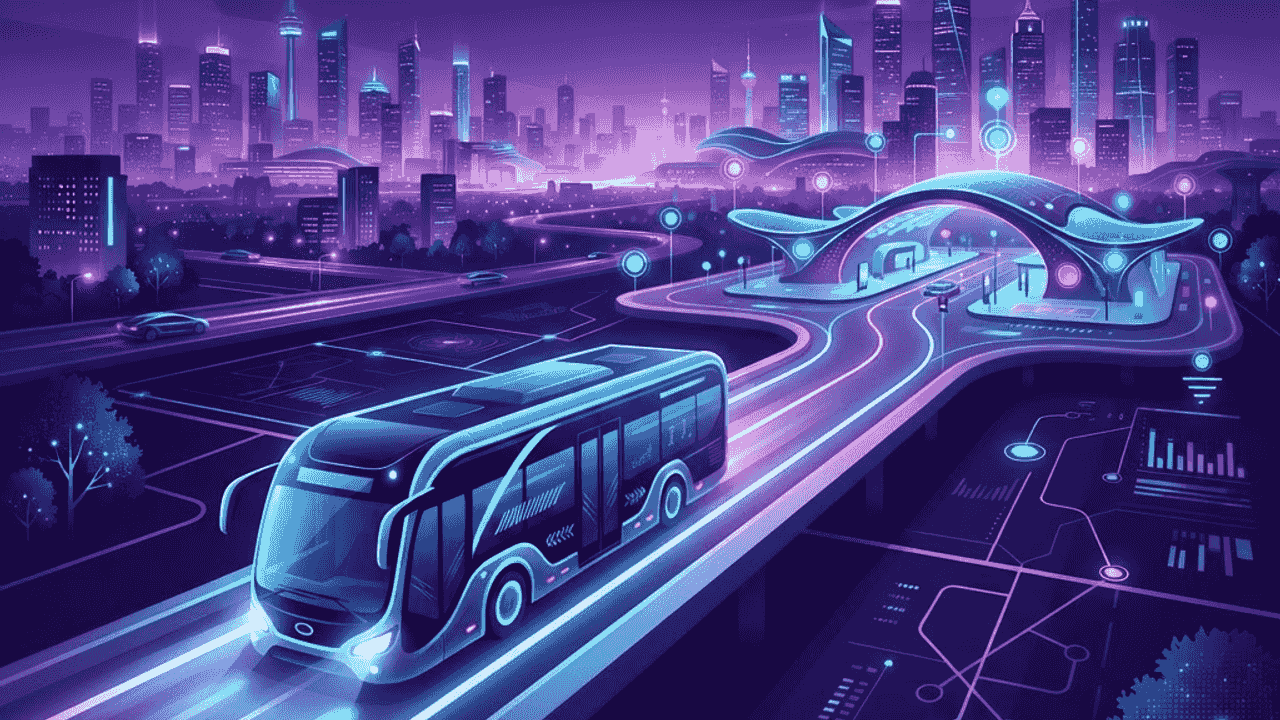
Public Transit in a Growing City
As Indianapolis continues to grow, public transit has taken on greater importance in connecting residents to jobs, education, healthcare, and entertainment. A strong transit system reduces traffic congestion, lowers emissions, and provides affordable mobility for people from all walks of life. In recent years, the city has invested significantly in modernizing and expanding its transit offerings, signaling a commitment to a more connected future.
From bus rapid transit lines to paratransit and rideshare partnerships, the public transportation landscape in Indianapolis is more diverse than many realize. These services work together to create a network that serves commuters, students, seniors, and visitors alike, making the city more accessible and sustainable.
Why Public Transit Matters
Reliable public transit is a cornerstone of a healthy, equitable city. It gives people without cars access to opportunity, eases the financial burden of transportation, and reduces the environmental impact of daily travel. For a growing metro like Indianapolis, transit also supports economic development by connecting workers to employers and customers to businesses. Investing in transit is an investment in the city's long-term vitality.
Top 10 Public Transit Services in Indianapolis
1. IndyGo. The primary public transit agency, IndyGo operates an extensive bus network and modern bus rapid transit lines across the metro.
2. IndyGo Red Line. The city's flagship bus rapid transit route, offering frequent, electric-powered service along a key north-south corridor.
3. IndyGo Purple Line. A newer rapid transit line connecting downtown to the northeast side, enhancing access to jobs and services.
4. IndyGo Blue Line. A planned rapid transit corridor designed to link the east and west sides with fast, reliable service.
5. IndyGo Access. The agency's paratransit service, providing essential door-to-door transportation for riders with disabilities.
6. Central Indiana Regional Transportation Authority. Supporting regional coordination, this body helps expand connectivity beyond the city core.
7. CIRTA Commuter Connect. A vanpool and rideshare program that helps commuters travel efficiently across the region.
8. University Shuttle Systems. Campus transit services connect students and staff across major universities and surrounding neighborhoods.
9. Downtown Indy Circulators. Convenient circulator services help visitors and workers navigate the bustling downtown core.
10. Rideshare and Microtransit Partners. On-demand microtransit and rideshare partnerships fill gaps in coverage and extend the reach of the transit network.
The Rise of Bus Rapid Transit
Bus rapid transit, or BRT, has become the centerpiece of Indianapolis transit modernization. With dedicated lanes, frequent service, and level boarding, BRT delivers a faster and more reliable experience than traditional buses. The electric buses used on these lines also reduce emissions and noise, contributing to a cleaner urban environment. The success of the Red Line has paved the way for additional corridors, expanding rapid transit across the city.
Accessibility and Equity
A truly great transit system serves everyone. Paratransit services ensure that riders with disabilities can travel independently, while affordable fares keep transit accessible to low-income residents. Efforts to improve sidewalks, shelters, and connections between routes make the system easier and safer to use. These investments reflect a broader commitment to equity and inclusion in the city's transportation planning.
The Future of Transit in Indianapolis
The future looks promising for public transit in Indianapolis. Continued expansion of rapid transit lines, integration of technology for real-time tracking and mobile payments, and growing regional coordination all point toward a more connected metro. As the city works to reduce congestion and support sustainable growth, public transit will play an increasingly central role in daily life.
Conclusion
Public transit is helping shape a more accessible, sustainable, and connected Indianapolis. From the flagship rapid transit lines to essential paratransit and innovative microtransit partnerships, these services keep the city moving. As investment continues and the network grows, residents and visitors alike can look forward to easier, greener, and more reliable ways to get around.