
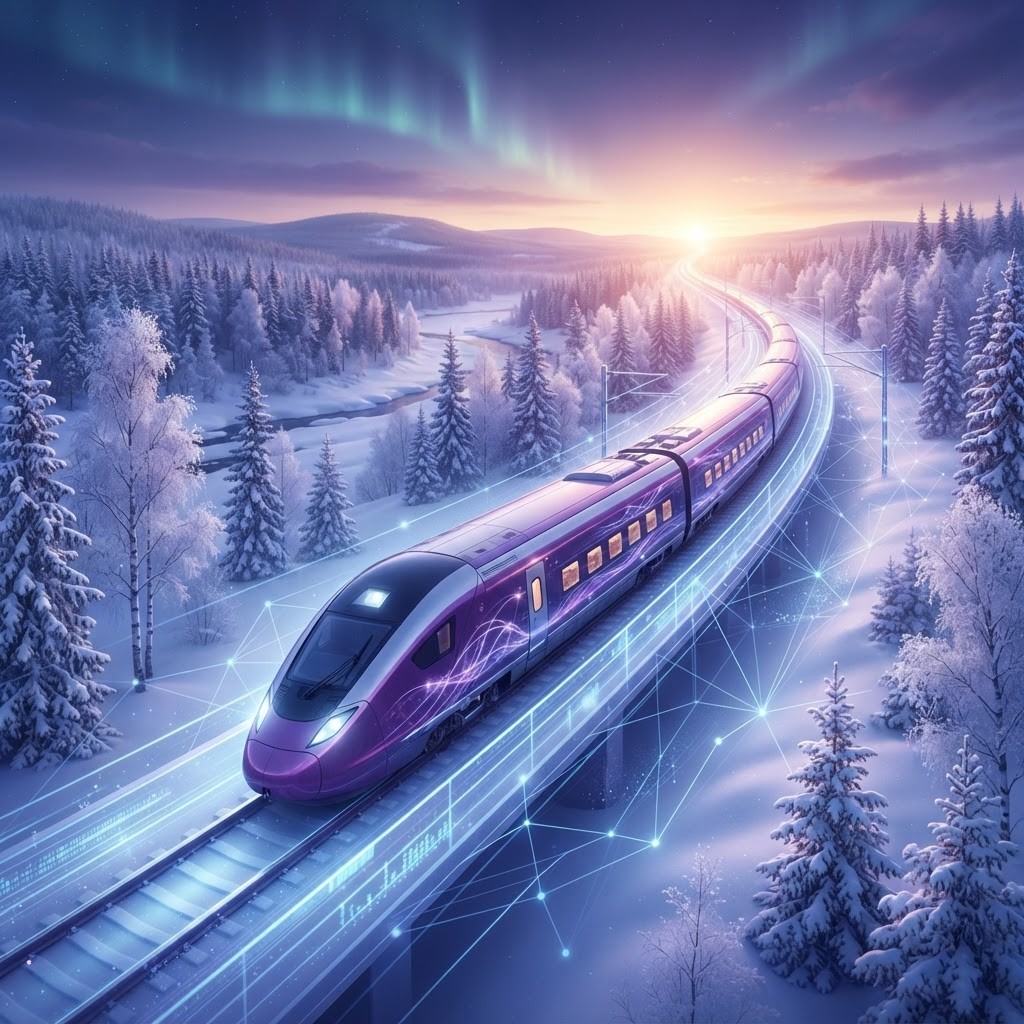
The Backbone of Finnish Mobility
Rail travel holds a special place in Finland's transport culture. Spanning thousands of kilometres from the southern coast to the Arctic reaches of Lapland, the national railway network connects bustling cities with remote wilderness in a way few other systems can match. Punctual, comfortable, and remarkably eco-friendly, Finnish trains are a preferred choice for commuters, business travellers, and tourists alike. Understanding the operators behind this network reveals why rail remains central to the country's sustainable mobility ambitions.
Leading Railway Operators
VR Group, the state-owned national railway company, is the dominant force in Finnish passenger and freight rail. Its InterCity and Pendolino high-speed services link Helsinki with Tampere, Turku, Oulu, and Rovaniemi, offering smooth, high-frequency connections. VR's overnight sleeper trains to Lapland are legendary among travellers heading north for the Northern Lights and winter adventures. VR Transpoint, the freight arm of the group, hauls forestry products, metals, and chemicals across the network and into neighbouring markets.
The market has gradually opened to competition, welcoming new entrants. Fenniarail, Finland's first private rail freight operator, has carved out a strong niche in industrial and cross-border cargo, providing flexible alternatives to established players. Regional and commuter services around the capital are coordinated by HSL (Helsinki Region Transport), which oversees the busy commuter rail lines that keep the metropolitan area moving efficiently.
Comfort, Technology, and Sustainability
Finnish trains are celebrated for their spacious carriages, quiet cabins, and thoughtful amenities. Onboard restaurants, family compartments with play areas, dedicated pet cabins, and reliable connectivity make long journeys genuinely pleasant. The double-decker InterCity coaches offer panoramic views of Finland's forests and lakes, turning ordinary travel into a scenic experience.
Sustainability is a defining strength of the sector. The majority of Finland's rail network is electrified, and passenger services run largely on renewable electricity, resulting in exceptionally low carbon emissions per passenger. This green credential aligns with Finland's climate leadership and makes rail an appealing alternative to short-haul flights and long car journeys.
Freight and Industrial Rail
Beyond passenger travel, rail freight is vital to Finland's export-driven economy. The forestry, mining, and heavy manufacturing sectors rely on rail to move bulk goods efficiently and sustainably. Operators maintain specialised rolling stock for timber, wood pulp, ore, and hazardous materials, ensuring safe and reliable transport across long distances. The wide Finnish track gauge, shared with neighbouring eastern markets, historically enabled seamless cross-border cargo flows.
Trends Shaping the Future
The Finnish railway landscape is evolving rapidly. Ongoing investment in track modernisation, digital signalling, and new rolling stock is improving speed, safety, and capacity. Ambitious infrastructure projects aim to shorten journey times between major cities, with proposals for faster links between Helsinki and Turku, as well as improved connections to the airport and growing suburban regions.
Market liberalisation is expected to introduce more competition in the coming years, potentially expanding service options and enhancing value for passengers. Meanwhile, integration with other modes of transport, such as buses, trams, and shared mobility, is making door-to-door journeys more seamless through unified ticketing and real-time information systems.
Connecting Cities and Nature
One of the greatest strengths of Finnish rail is how it links dense urban centres with the country's celebrated natural wonders. Travellers can board a train in the heart of Helsinki and, hours later, step out into the pristine wilderness of Lapland, ready for skiing, hiking, or aurora watching. Popular routes serve tourist destinations across the lake district and the northern fells, opening the countryside to visitors who prefer not to drive. This accessibility supports rural tourism and local economies while giving passengers a stress-free, scenic alternative to congested roads. Combined ticketing with buses and regional transport further extends the reach of rail into smaller communities, ensuring that even remote areas remain connected to the national network.
Why Rail Travel Thrives in Finland
Several factors explain the enduring popularity of Finnish railways. Reliability is paramount, with trains maintaining strong punctuality even in severe winter weather thanks to robust maintenance and cold-climate engineering. Affordability, especially with advance booking and loyalty schemes, keeps rail competitive with other transport modes. Above all, the comfort and environmental benefits resonate deeply with a population that values both convenience and ecological responsibility.
For visitors, the railway offers an authentic window into the Finnish landscape, gliding past endless forests, shimmering lakes, and snow-covered plains. For residents, it is a dependable daily companion connecting work, family, and leisure.
Conclusion
Finland's railway operators represent a harmonious blend of tradition and innovation. Led by the national VR Group and complemented by emerging private operators and regional coordinators, the sector delivers safe, comfortable, and sustainable transport across one of Europe's most beautiful countries. As investment continues and competition grows, Finnish rail is set to remain a cornerstone of national mobility, offering travellers and industries alike a smooth, green, and dependable way to move.