
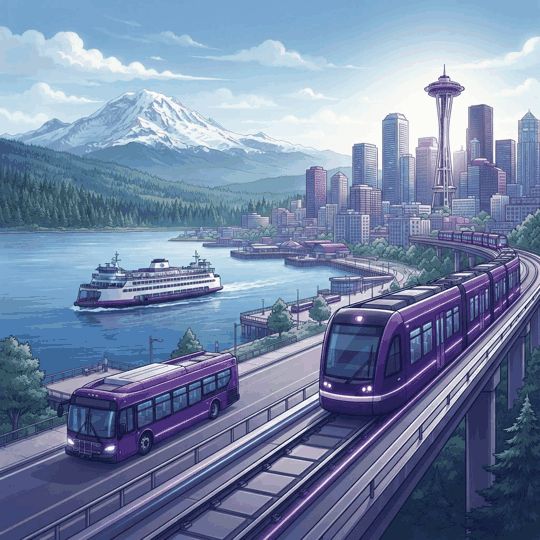
Choosing Public Transit Services in Washington
Washington combines dense metropolitan areas, regional cities, islands, agricultural centers, and rural communities. That diversity means choosing public transit services is not about finding one universal winner. Location, budget, accessibility, goals, and service style all matter. The organizations below stand out for recognizable programs, useful reach, or a distinctive approach. Offerings can change, so confirm current details directly before deciding.
1. Sound Transit
Sound Transit is known for regional Link light rail, Sounder trains, and express buses. Its practical appeal comes from the way the service fits regional needs. Prospective users should compare availability, full cost, scheduling, accessibility, and the level of personal support. Ask how quality is monitored and what happens when needs change. Those details often reveal more than a long feature list and make it easier to compare this choice fairly with alternatives.
2. King County Metro
King County Metro is known for Seattle-area buses, RapidRide, paratransit, and flexible services. A recognizable operating model helps this option stand apart. Prospective users should compare availability, full cost, scheduling, accessibility, and the level of personal support. Ask how quality is monitored and what happens when needs change. Those details often reveal more than a long feature list and make it easier to compare this choice fairly with alternatives.
3. Washington State Ferries
Washington State Ferries is known for marine transportation throughout Puget Sound. The most useful comparison is based on fit rather than name recognition. Prospective users should compare availability, full cost, scheduling, accessibility, and the level of personal support. Ask how quality is monitored and what happens when needs change. Those details often reveal more than a long feature list and make it easier to compare this choice fairly with alternatives.
4. Community Transit
Community Transit is known for Snohomish County buses and Swift rapid transit. The clearest strength is its focused core offering. Prospective users should compare availability, full cost, scheduling, accessibility, and the level of personal support. Ask how quality is monitored and what happens when needs change. Those details often reveal more than a long feature list and make it easier to compare this choice fairly with alternatives.
5. Pierce Transit
Pierce Transit is known for Tacoma-area bus, paratransit, and on-demand service. Its practical appeal comes from the way the service fits regional needs. Prospective users should compare availability, full cost, scheduling, accessibility, and the level of personal support. Ask how quality is monitored and what happens when needs change. Those details often reveal more than a long feature list and make it easier to compare this choice fairly with alternatives.
6. Spokane Transit Authority
Spokane Transit Authority is known for Inland Northwest buses and City Line rapid transit. A recognizable operating model helps this option stand apart. Prospective users should compare availability, full cost, scheduling, accessibility, and the level of personal support. Ask how quality is monitored and what happens when needs change. Those details often reveal more than a long feature list and make it easier to compare this choice fairly with alternatives.
7. Intercity Transit
Intercity Transit is known for fare-free Olympia-area routes, vanpool, and accessible service. The most useful comparison is based on fit rather than name recognition. Prospective users should compare availability, full cost, scheduling, accessibility, and the level of personal support. Ask how quality is monitored and what happens when needs change. Those details often reveal more than a long feature list and make it easier to compare this choice fairly with alternatives.
8. C-TRAN
C-TRAN is known for Clark County buses and The Vine rapid transit. The clearest strength is its focused core offering. Prospective users should compare availability, full cost, scheduling, accessibility, and the level of personal support. Ask how quality is monitored and what happens when needs change. Those details often reveal more than a long feature list and make it easier to compare this choice fairly with alternatives.
9. Ben Franklin Transit
Ben Franklin Transit is known for Tri-Cities bus, demand-response, and vanpool options. Its practical appeal comes from the way the service fits regional needs. Prospective users should compare availability, full cost, scheduling, accessibility, and the level of personal support. Ask how quality is monitored and what happens when needs change. Those details often reveal more than a long feature list and make it easier to compare this choice fairly with alternatives.
10. Whatcom Transportation Authority
Whatcom Transportation Authority is known for Bellingham and Whatcom County transit. A recognizable operating model helps this option stand apart. Prospective users should compare availability, full cost, scheduling, accessibility, and the level of personal support. Ask how quality is monitored and what happens when needs change. Those details often reveal more than a long feature list and make it easier to compare this choice fairly with alternatives.
Washington-Specific Considerations
Seattle and the Eastside often provide the broadest selection, but Tacoma, Olympia, Spokane, Vancouver, Bellingham, and the Tri-Cities offer strong regional choices. Traffic, ferry connections, winter passes, rain, and distance can affect convenience. Online or hybrid delivery may improve access, although responsiveness and local understanding still matter. Check whether the provider serves your exact neighborhood and whether peak periods change pricing or availability.
How to Compare the Options
This editorial list considers service breadth, accessibility, reputation, specialization, and relevance to Washington communities. It is not a guarantee or rigid ranking. Build a shortlist and ask every organization the same questions. Review transparent pricing, eligibility, cancellation terms, accommodations, recent policies, and independent feedback. If possible, begin with a tour, consultation, sample lesson, trial, or short commitment before making a larger investment.
Making the Final Decision
Write down the outcome you need and identify which features are essential rather than merely appealing. Favor specific explanations, realistic expectations, and a clear process for resolving problems. The best public transit services should provide dependable value where and when you will use it. Careful comparison can improve the experience, prevent unexpected costs, and help you choose a service aligned with both immediate priorities and longer-term plans.