
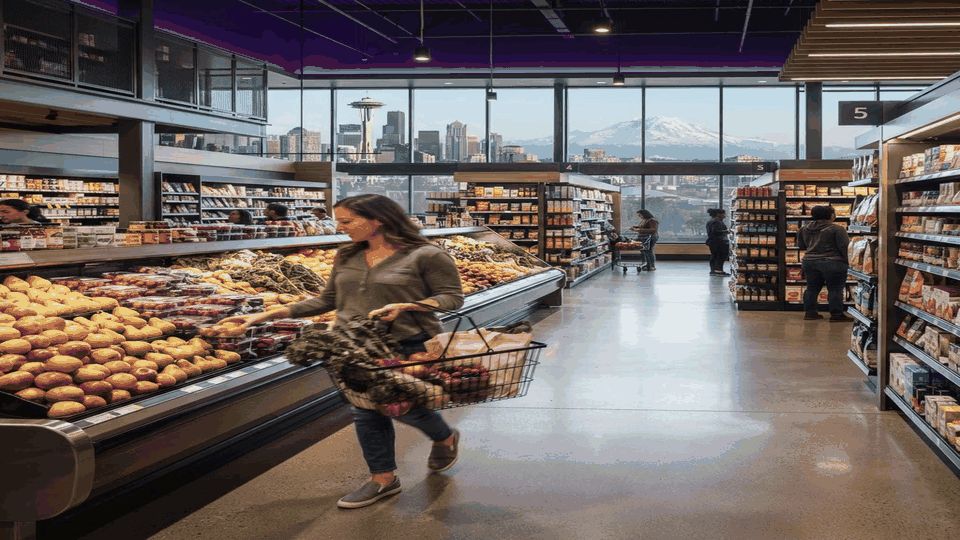
Shopping for Groceries in Washington
Washington shoppers have an unusually broad grocery landscape shaped by fertile agricultural regions, Pacific fisheries, international communities, and a strong preference for local food. The best supermarket chain depends on whether a household prioritizes low prices, specialty ingredients, organic produce, prepared meals, or a convenient neighborhood location. Seattle-area consumers may favor compact urban stores, while families in Spokane, Yakima, Vancouver, and smaller communities often need broad selections and dependable weekly value. The following chains earn attention through a combination of service, product quality, accessibility, and a clear point of difference.
1. Fred Meyer
Fred Meyer is a practical choice for households that prefer completing several errands in one trip. Its Washington stores combine a full grocery department with home goods, apparel, pharmacy services, and seasonal merchandise. Produce sections commonly reflect Northwest preferences, while bakery, deli, meat, and pantry departments cover everyday needs. Digital coupons and fuel rewards can improve value for organized shoppers. The chain is particularly useful for families buying a large weekly basket, although the size of many locations can feel less personal than a neighborhood market.
2. Safeway
Safeway has a substantial presence across Washington, including urban neighborhoods, suburbs, island communities, and towns where grocery alternatives may be limited. Its strength is consistency: customers generally know what to expect from the bakery, deli, floral counter, pharmacy, and conventional grocery aisles. Loyalty pricing can be meaningful, especially for recurring purchases, but shoppers should compare advertised offers with regular prices. Many locations also emphasize ready-to-eat meals, making Safeway useful for commuters and households balancing convenience with a complete supermarket selection.
3. Costco Wholesale
Issaquah-based Costco is one of Washington's most influential retail companies. Its warehouse model works best for families, small businesses, and shoppers with storage space who can use larger package sizes. The private-label Kirkland Signature range has built a reputation for dependable quality across food, household supplies, and wellness products. Rotating merchandise adds discovery, while bakery, produce, meat, optical, and pharmacy departments broaden the value proposition. Membership and bulk quantities require planning, yet disciplined shoppers can achieve strong unit-price savings.
4. Trader Joe's
Trader Joe's appeals to Washington shoppers who enjoy distinctive private-label products, compact stores, and approachable prices. Rather than offering every national brand, it curates frozen meals, snacks, pantry staples, cheese, beverages, and seasonal items. That smaller assortment makes shopping faster but can require a second stop for specialized household needs. Stores around Puget Sound and other population centers are popular with students, couples, and smaller households. Friendly service and frequently changing products make the experience feel more exploratory than a conventional supermarket visit.
5. Whole Foods Market
Whole Foods Market is a strong option for organic produce, natural products, specialty diets, premium seafood, and chef-inspired prepared foods. Washington locations often serve dense urban and affluent suburban areas where shoppers value ingredient transparency and convenience. The chain's standards for certain product categories help customers navigate sourcing concerns, while salad bars and hot food counters support quick meals. Prices can be higher than conventional competitors, so value-conscious customers may focus on promotions and store-brand essentials while choosing premium items selectively.
6. WinCo Foods
WinCo Foods has earned loyalty among budget-focused shoppers through an employee-owned, warehouse-style approach. Large stores, extensive bulk bins, and a broad conventional assortment make it suitable for families stocking up without paying a membership fee. Customers typically bag their own groceries, and the simplified service model supports lower operating costs. Locations in communities such as Spokane, Tacoma, and Vancouver can be especially busy at peak periods. Shoppers who arrive with a list and compare bulk quantities can find impressive value across staples, produce, and household goods.
7. PCC Community Markets
Seattle-founded PCC Community Markets brings a distinctly Pacific Northwest identity to grocery retail. The co-op is known for organic produce, responsibly sourced products, local makers, thoughtful prepared foods, and stores designed around neighborhood shopping. Its selection reflects strong regional interest in sustainability and ingredient quality. Prices tend toward the premium end, but members and regular customers often value sourcing standards, community programs, and knowledgeable teams. PCC is particularly compelling for shoppers who want their grocery spending to support local food systems and cooperative principles.
8. Metropolitan Market
Metropolitan Market offers a premium neighborhood experience centered on culinary discovery. Its Washington stores are recognized for high-quality produce, seafood, meat, specialty cheese, bakery items, and polished prepared meals. The assortment rewards shoppers looking for dinner-party ingredients or a convenient restaurant-quality option at home. Service is generally attentive, and merchandising makes seasonal products easy to explore. This is not usually the lowest-cost destination for a full weekly shop, but it excels when quality, presentation, and specialty selection matter more than absolute price.
9. H Mart
H Mart is invaluable to Washington's diverse culinary community. Locations in and around Seattle and the Eastside carry extensive Korean, Japanese, Chinese, and broader Asian pantry goods alongside fresh produce, seafood, meat, noodles, sauces, snacks, and prepared foods. The produce assortment often includes varieties unavailable at conventional chains. Experienced cooks appreciate the depth, while newcomers can discover ingredients for regional recipes. Store layouts may feel busy, yet the combination of authenticity, selection, and fresh departments makes H Mart a destination rather than merely another supermarket.
10. Town & Country Markets
Town & Country Markets is a Washington-grown independent chain with stores serving communities around Puget Sound. It combines full-service grocery departments with local sourcing, strong fresh food, and a neighborhood-oriented culture. Individual locations respond to their communities, which gives the chain a more personal feel than national operators. Produce, meat, seafood, bakery, and prepared foods are central strengths. Shoppers who appreciate regional ownership and staff expertise may find its balance of quality and everyday practicality especially attractive.
How to Choose the Right Store
Compare the entire basket rather than judging a supermarket by one promotional item. Consider travel time, loyalty requirements, package sizes, dietary needs, and how much food your household can realistically use. Washington's strongest grocery routine may combine two formats: a value-focused chain for staples and a regional or specialty market for produce, seafood, and distinctive ingredients. Seasonal shopping also matters. Local berries, apples, cherries, mushrooms, and seafood can offer their best quality and value at different times of year. A thoughtful mix of convenience, price, and freshness will identify the best supermarket for your household.