
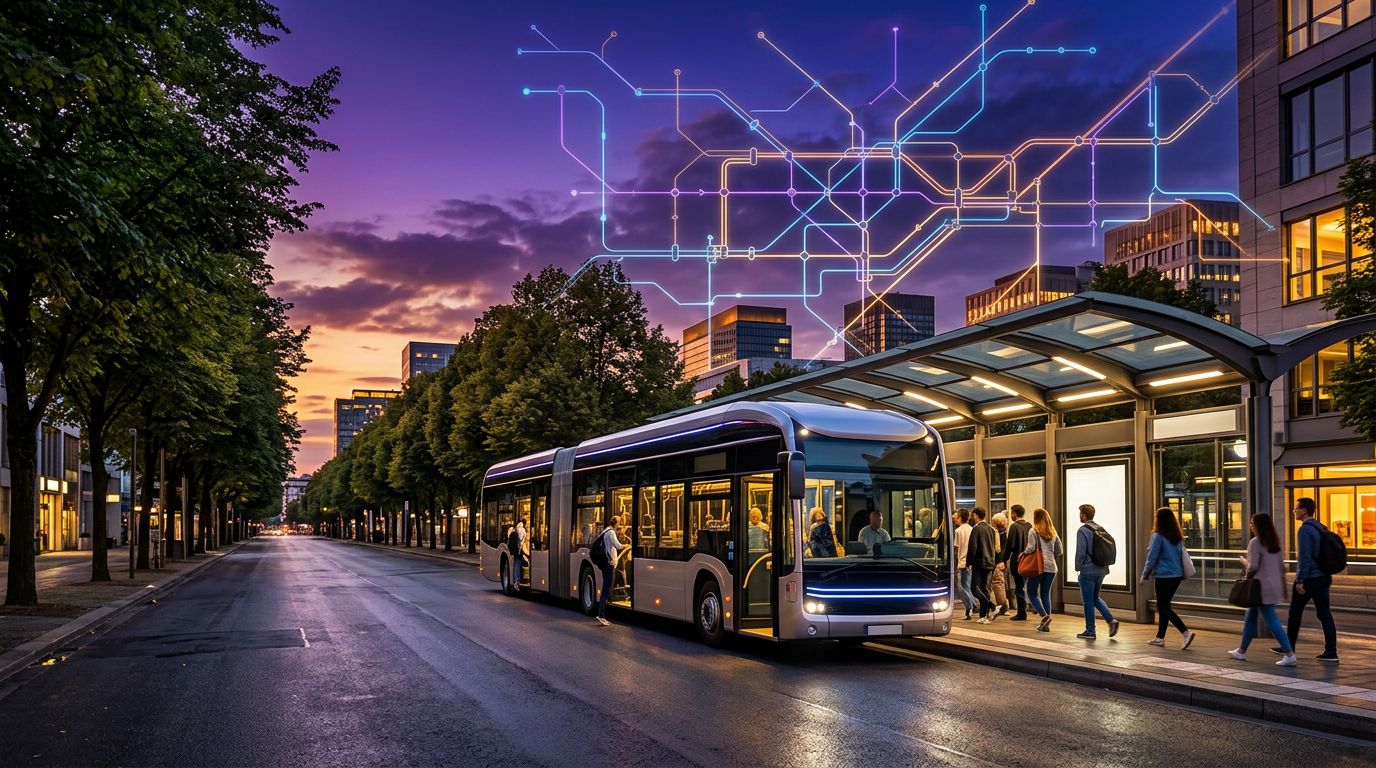
Public Transit in Visalia
Public transit is an essential service in Visalia, providing mobility for students, workers, seniors, people with disabilities, and anyone who prefers not to drive. The city has invested in modern, cleaner buses and improved connections to regional destinations. Transit also supports Visalia's environmental goals, as the San Joaquin Valley works to reduce air pollution and greenhouse gas emissions.
Here are the top public transit services serving Visalia residents and visitors.
1. Visalia Transit Fixed Routes
Visalia Transit operates fixed-route buses throughout the city, connecting residential neighborhoods with downtown, shopping centers, medical facilities, and schools. Its fleet includes electric buses, and riders can use mobile ticketing and real-time bus tracking.
2. Visalia Transit Center
The downtown Visalia Transit Center serves as the hub of the local transit network. It provides connections between local routes, regional services, and intercity buses, making transfers convenient.
3. V-LINE Commuter Service
The V-LINE connects Visalia with Fresno, including stops near Fresno State and Fresno Yosemite International Airport. It serves commuters, students, and travelers who want to avoid driving on Highway 99.
4. Sequoia Shuttle
The Sequoia Shuttle has offered seasonal transit from Visalia and Three Rivers into Sequoia National Park. It reduces traffic and parking congestion in the park and makes visits more convenient for travelers without cars. Reservations and seasonal schedules apply.
5. Dial-A-Ride
Visalia Transit's Dial-A-Ride provides curb-to-curb service for seniors and people with disabilities. It complements fixed routes and ensures that residents with mobility challenges can access essential destinations.
6. Tulare County Regional Transit Agency
TCRTA provides regional bus service across Tulare County, linking Visalia with communities such as Porterville, Dinuba, Exeter, Farmersville, Lindsay, and Woodlake. It brings together several formerly separate systems into a coordinated regional network.
7. Tulare InterModal Express
Tulare's transit services have connected Tulare and Visalia, providing an important link between the two neighboring cities, including access to College of the Sequoias campuses and major employment centers. Service structures may change as regional coordination evolves.
8. Kings Area Rural Transit
KART connects Kings County, including Hanford and Lemoore, with Visalia. This service provides access to the Hanford Amtrak station, Naval Air Station Lemoore, and regional employment centers.
9. Amtrak Thruway and San Joaquins
Amtrak Thruway bus connections link Visalia to the San Joaquins rail line, enabling car-free travel to Sacramento, the Bay Area, and Southern California. Integrated ticketing makes planning easy.
10. Microtransit and On-Demand Pilots
Transit agencies in the Central Valley are experimenting with microtransit, on-demand shuttles booked through apps. These services offer flexible routing in areas where fixed routes are less efficient, providing an innovative complement to traditional transit.
Benefits of Using Public Transit
Public transit saves money on fuel, parking, and vehicle maintenance. It reduces traffic congestion and emissions, improving air quality in the San Joaquin Valley. Transit also provides independence for people who cannot drive and allows riders to relax, read, or work during their commute.
Transit Innovation in Visalia
Visalia has been a leader among Central Valley cities in adopting electric buses. Real-time tracking apps, contactless payment options, and improved bus stop amenities have enhanced the rider experience. Future improvements may include expanded service hours, better regional connections, and integration with California's high-speed rail system.
Tips for Riding Transit in Visalia
Download a transit app to track buses in real time. Check schedules for weekends and holidays, when service may be reduced. Ask about discounted fares for students, seniors, veterans, and people with disabilities. During hot summer months, carry water and plan to arrive at stops a few minutes early. Many buses include bike racks, allowing riders to combine cycling and transit.
Accessibility
Visalia Transit buses are wheelchair accessible, with ramps or lifts and priority seating. Dial-A-Ride provides additional support for riders who cannot use fixed routes. Transit staff can assist with trip planning and eligibility applications.
Using Transit to Explore Visalia
Public transit is not just for commuting. Visitors and residents can use buses to explore many of Visalia's attractions. Downtown Visalia, with its restaurants, shops, murals, and the historic Fox Theatre, is easily reached from the transit center. The Thursday evening farmers market and seasonal events draw crowds that make parking difficult, so transit is a convenient alternative. Mooney Grove Park, home to the Tulare County Museum and the famous End of the Trail statue, is accessible by bus. Shopping along Mooney Boulevard, including the Visalia Mall, is well served by local routes. College of the Sequoias students rely heavily on transit, as do visitors to Kaweah Health Medical Center. With some planning, riders can enjoy much of what Visalia offers without ever needing to find a parking space.
Day passes and multi-ride options can make frequent trips even more affordable for residents and visitors exploring several destinations in a single day.
Conclusion
Visalia's public transit system offers affordable, sustainable, and convenient ways to get around the city and region. From local buses and Dial-A-Ride to regional connectors and seasonal park shuttles, transit connects Visalia residents to opportunities and adventures. Routes, fares, and schedules change periodically, so check current information before you ride.