
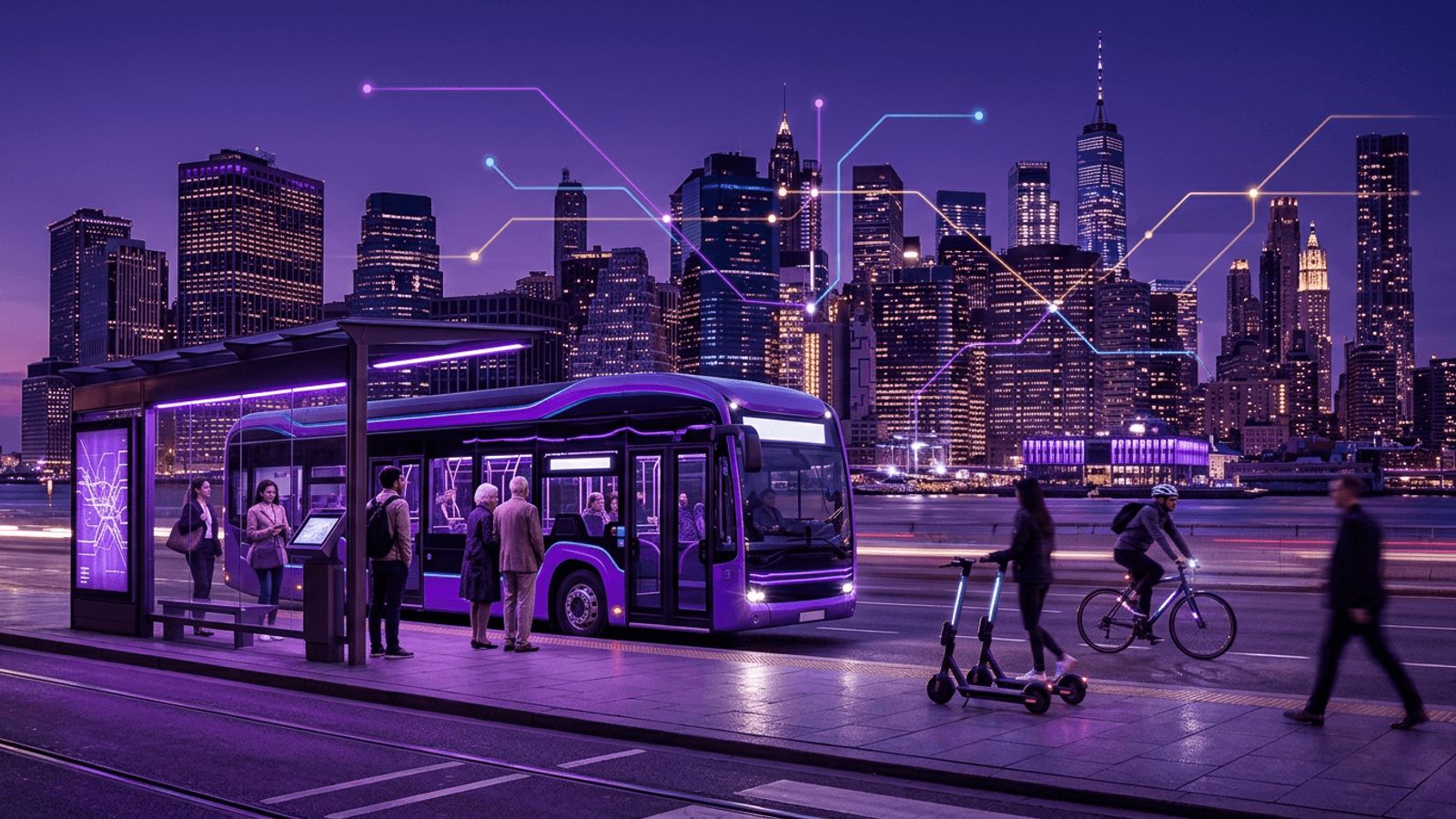
Public Transit in Syracuse
Syracuse is often thought of as a driving city, but public transit plays an important role for students, workers, seniors and visitors. A well-connected transit system reduces traffic, supports economic opportunity and helps people reach jobs, schools and healthcare. With the ongoing transformation of the Interstate 81 corridor and new development across the region, transit is receiving renewed attention from planners and residents alike.
Below are ten public transit services that form the backbone of mobility in and around Syracuse.
1. Centro Fixed-Route Bus Service
Centro, operated by the Central New York Regional Transportation Authority, runs the primary bus network in Syracuse and Onondaga County. Routes radiate from the downtown Transit Hub to neighborhoods, suburbs, shopping centers and employment areas. Real-time bus tracking and mobile ticketing have improved the rider experience significantly.
2. Centro Call-A-Bus
Call-A-Bus is Centro's paratransit service for riders with disabilities who cannot use fixed-route buses. It offers shared, door-to-door trips within the service area, scheduled in advance. This service ensures accessible mobility for many residents who depend on it for work, medical appointments and daily errands.
3. Syracuse University Connective Corridor Service
The Connective Corridor links the Syracuse University campus with downtown Syracuse, supporting students, faculty and residents traveling between the Hill, Armory Square and cultural destinations. It reflects a partnership between the university, the city and Centro.
4. Amtrak Empire Service
Amtrak provides regional passenger rail from the William F. Walsh Regional Transportation Center to Albany, New York City, Buffalo and Niagara Falls. For many residents, it is the most comfortable public transit option for longer regional trips.
5. Intercity Bus Connections
Greyhound, Trailways, OurBus, Megabus and FlixBus connect Syracuse to cities throughout the Northeast. These services operate primarily from the regional transportation center and are essential for travelers without cars.
6. Airport Bus Service
Centro operates bus routes connecting downtown Syracuse with Syracuse Hancock International Airport. This affordable connection is popular with budget-conscious travelers and airport employees.
7. Regional Services in Oswego, Cayuga and Oneida Counties
Centro also runs local services in Oswego, Auburn and Utica, along with connecting routes. These regional services link Syracuse with neighboring communities and support commuters traveling for work and education.
8. Shared E-Scooter Programs
Syracuse has experimented with shared e-scooter programs that allow riders to unlock scooters using a smartphone app. These scooters provide convenient first-mile and last-mile connections to bus stops and are popular among students and downtown workers during warmer months.
9. Campus Shuttles
Syracuse University, Le Moyne College, SUNY Upstate Medical University and SUNY ESF provide shuttle services for their communities. These shuttles reduce car dependence on campus and connect students to housing, parking and nearby amenities.
10. Park and Ride Facilities
Park and ride lots in suburban communities allow commuters to drive to a central location and take the bus into downtown or the university area. This approach reduces downtown parking demand and is especially helpful during major events.
How to Make the Most of Syracuse Transit
Download Centro's mobile app for trip planning, real-time arrivals and ticket purchases. Monthly passes offer savings for daily riders, and reduced fares are available for seniors, people with disabilities and students. Plan for winter conditions by dressing warmly and allowing extra time during snowstorms.
Combining modes can make transit more effective. Riding a scooter or bike to a bus stop, or taking the train for regional trips, expands your options without needing a car.
Transit Trends in Syracuse
Syracuse's transit system is evolving. Centro has introduced electric buses as part of a broader sustainability effort. Planning studies have explored bus rapid transit along key corridors to provide faster, more frequent service. The redesign of the Interstate 81 corridor into a community grid is expected to reconnect neighborhoods and could support more walkable, transit-friendly development.
Population growth associated with semiconductor manufacturing investment north of the city may also lead to expanded transit service in the coming years, particularly to new employment centers in the town of Clay.
Accessibility and Fares
Accessibility is a core part of Syracuse's transit network. Centro buses are equipped with ramps or lifts, priority seating and audio and visual stop announcements, helping riders with mobility, vision or hearing needs travel independently. Reduced fares are available for seniors, people with disabilities and Medicare cardholders, and many local colleges partner with Centro so that students can ride using their campus identification. Employers in the region have also explored transit benefit programs that allow workers to purchase passes with pre-tax income.
For visitors, the simplest approach is to purchase mobile tickets through the official app, which eliminates the need for exact change. Riders planning trips to major events, such as the New York State Fair, should check for special service routes that Centro typically operates during the fair's annual run.
Final Thoughts
Public transit in Syracuse offers more options than many people realize. From local buses and paratransit to regional rail and micromobility, these services help residents and visitors move around the region affordably and sustainably. As the city continues to grow and change, transit will play an even larger role in shaping its future.