
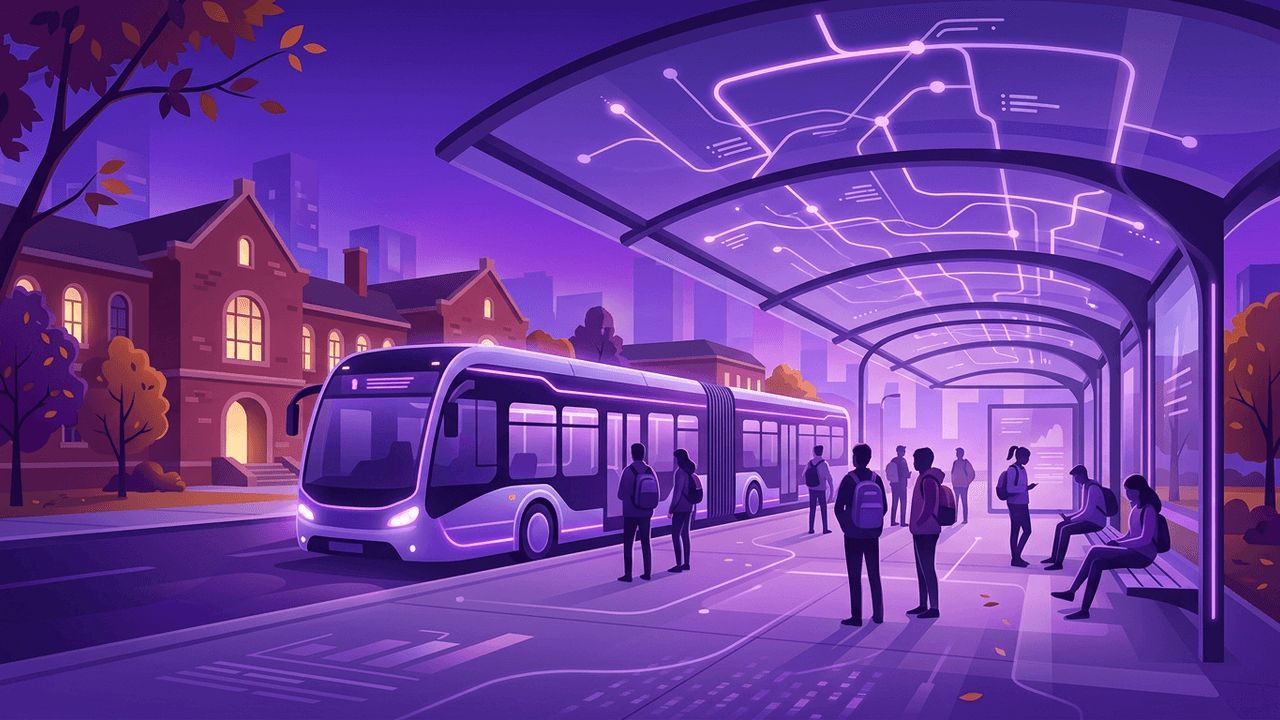
Public Transit in Norman: An Evolving Network
Public transit in Norman has undergone major changes in recent years. For decades, Cleveland Area Rapid Transit, operated by the University of Oklahoma, ran the city's buses. In 2019, operations transitioned to Embark Norman, a partnership between the City of Norman and EMBARK, the transit agency serving Oklahoma City. Since then, the system has emphasized accessibility, including fare-free service that has made riding easier for residents of every income level.
Transit matters in Norman because of its large student population, growing workforce, and residents who cannot or prefer not to drive. Public transit reduces traffic congestion, saves money, and lowers carbon emissions. The services below make up the most important public transit options available to the Norman community.
Why Public Transit Matters
Reliable public transit provides access to jobs, education, healthcare, and shopping. It supports seniors who no longer drive, students without cars, and people with disabilities. Transit also helps the city manage growth by reducing parking demand and traffic on busy corridors such as Main Street, Lindsey Street, and Interstate 35.
The Top 10 Public Transit Services for Norman
1. Embark Norman Fixed-Route Buses
Embark Norman's fixed-route buses serve major destinations throughout the city, including the University of Oklahoma, downtown, shopping centers, and medical facilities. The fare-free service has made it one of the most accessible transit systems in the region.
2. Embark Norman Paratransit
Paratransit service provides curb-to-curb trips for eligible riders with disabilities who cannot use fixed-route buses. It ensures equal access to transportation within the service area.
3. EMBARK Oklahoma City Bus Service
EMBARK operates a large bus network across Oklahoma City. Norman residents traveling north can use EMBARK routes to reach downtown, employment centers, and attractions throughout the capital city.
4. EMBARK RAPID Bus Rapid Transit
EMBARK's RAPID bus rapid transit service features frequent service, enhanced stations, and faster travel times along key Oklahoma City corridors. It represents the region's investment in higher-quality transit.
5. Oklahoma City Streetcar
The Oklahoma City Streetcar connects downtown districts such as Bricktown, Midtown, and Automobile Alley. Visitors from Norman often use the streetcar to explore downtown attractions without needing to park repeatedly.
6. Amtrak Heartland Flyer
The Heartland Flyer provides passenger rail service from Norman's historic depot to Oklahoma City and Fort Worth. It serves as a regional transit option for weekend travelers and commuters on select trips.
7. Regional Transportation Authority of Central Oklahoma
The Regional Transportation Authority of Central Oklahoma is working to plan and develop regional transit, including potential commuter rail and expanded bus connections linking Norman, Oklahoma City, and Edmond. Its efforts could reshape mobility in the metro area.
8. Greyhound Intercity Service
Greyhound provides intercity bus connections from the Oklahoma City area to destinations across the country. It complements local transit for long-distance trips.
9. Embark Norman Trip Planning Tools
Real-time bus tracking and trip planning tools help riders know when buses will arrive and plan efficient routes. These digital tools have made transit more convenient and predictable.
10. Rideshare First-Mile and Last-Mile Connections
Uber and Lyft often complement public transit by helping riders reach bus stops or complete trips in areas with limited service. This combination expands the reach of the transit network.
The Impact of Fare-Free Transit
Norman's decision to offer fare-free bus service attracted attention across the region. Eliminating fares removed a financial barrier for low-income riders, speeded up boarding, and simplified the rider experience. Students, seniors, and workers have benefited from the policy. Riders should check current service details, as transit funding and policies can change over time.
Challenges and Opportunities
Like many mid-sized cities, Norman faces challenges in providing frequent service across a geographically spread-out area. Evening and weekend service levels can be limited, and some neighborhoods are far from bus routes. However, regional planning efforts, new funding opportunities, and growing public interest in sustainable transportation create opportunities for improvement. Investments in sidewalks, bike lanes, and bus shelters also enhance the overall transit experience.
Tips for Riding Transit in Norman
Check route maps and schedules before traveling, as frequency varies by route and time of day. Use real-time tracking tools to reduce waiting time. Arrive at stops a few minutes early, and be prepared for Oklahoma weather with sun protection in summer and warm layers in winter. For trips to Oklahoma City, plan connections carefully between Norman and EMBARK services.
Transit and Norman's Future Growth
Norman continues to grow, and transportation planning will play a major role in shaping that growth. Concentrating housing, shops, and offices along well-served transit corridors can make it easier for residents to live with fewer car trips. Improvements to sidewalks, crosswalks, and bike connections near bus stops help riders complete the first and last portions of their trips safely. Regional coordination with Oklahoma City and other metro communities will determine how easily people can travel between cities without driving. Residents who want to influence these decisions can participate in public meetings, respond to transit surveys, and share feedback with city leaders.
Final Thoughts
Norman's public transit network offers accessible, affordable options for getting around the city and beyond. Embark Norman's fare-free buses, paratransit service, and connections to Oklahoma City's growing transit system provide real value to residents and visitors. As regional transit planning continues, Norman is well positioned to benefit from expanded connections in the years ahead.